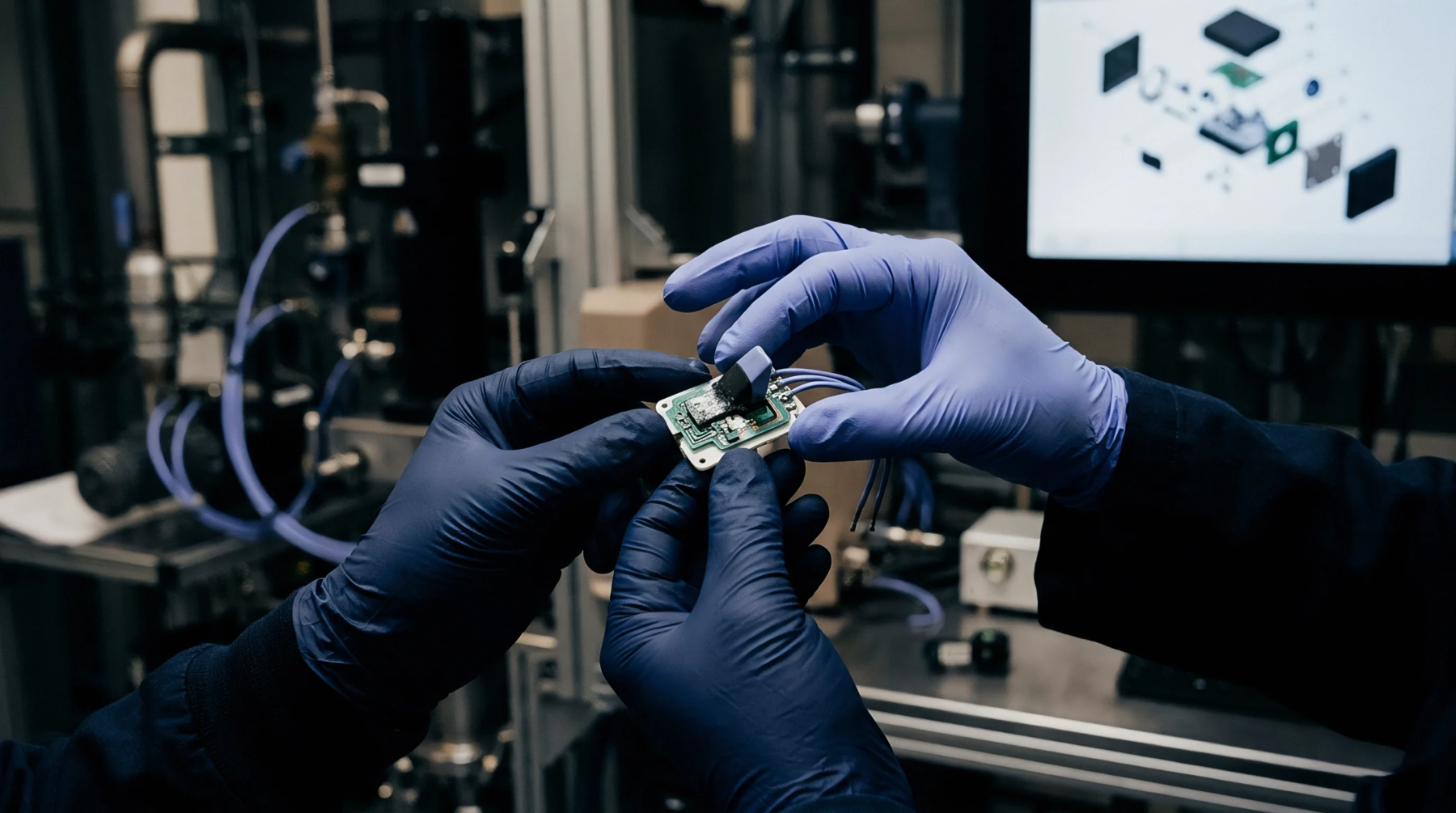
Glass Weave Skew Mitigation Techniques in Differential Stripline Channels
Mitigate differential stripline glass weave skew by combining low-Dk spread glass, multi-ply prepregs, and minimum two-degree routing offsets on drawings.
Mitigate differential stripline glass weave skew by combining low-Dk spread glass, multi-ply prepregs, and minimum two-degree routing offsets on drawings.
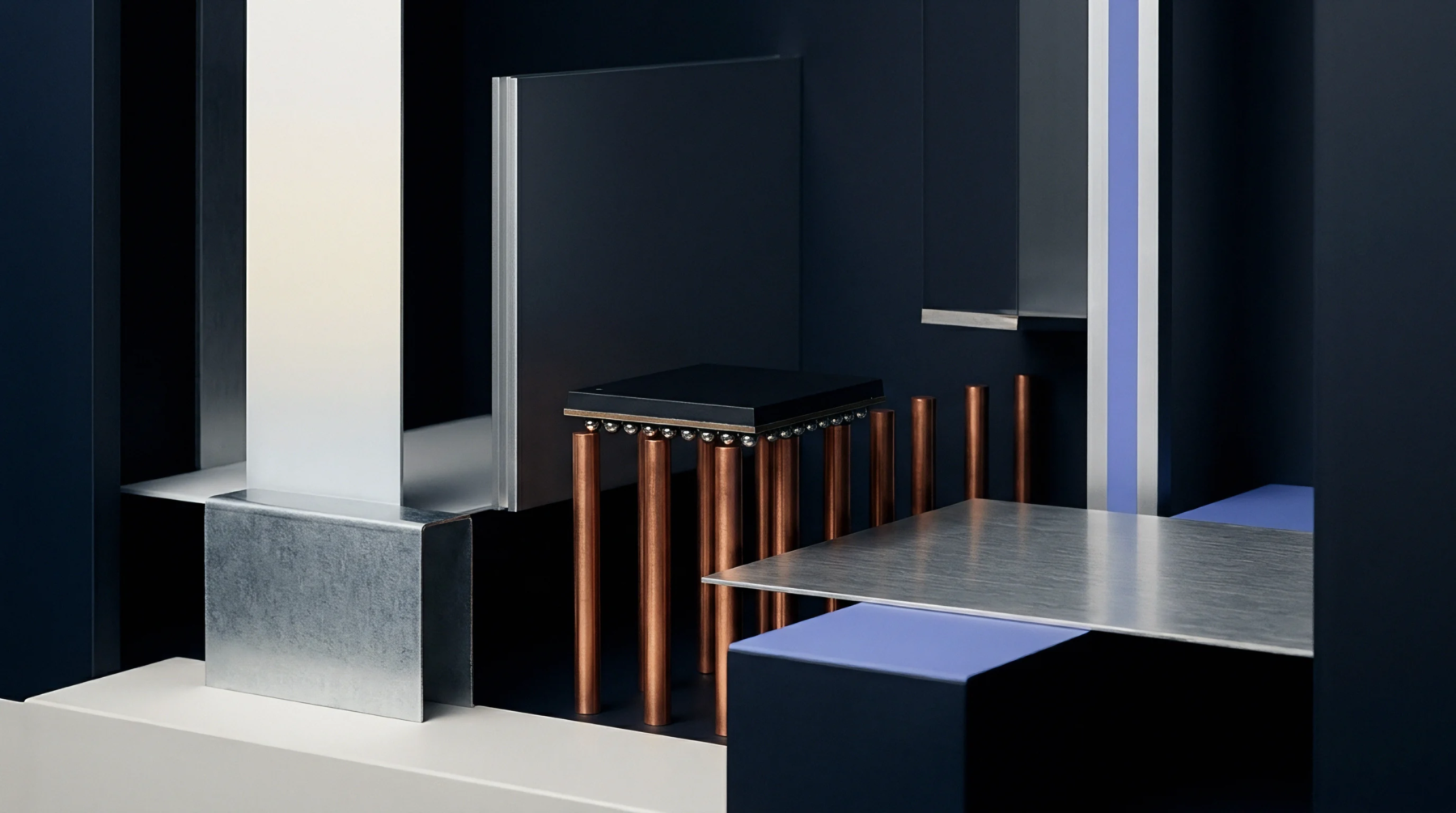
Reinforcement fiber bundle periodicity causes localized dielectric constant variation, driving phase skew that requires spread glass or rotated routing to control.
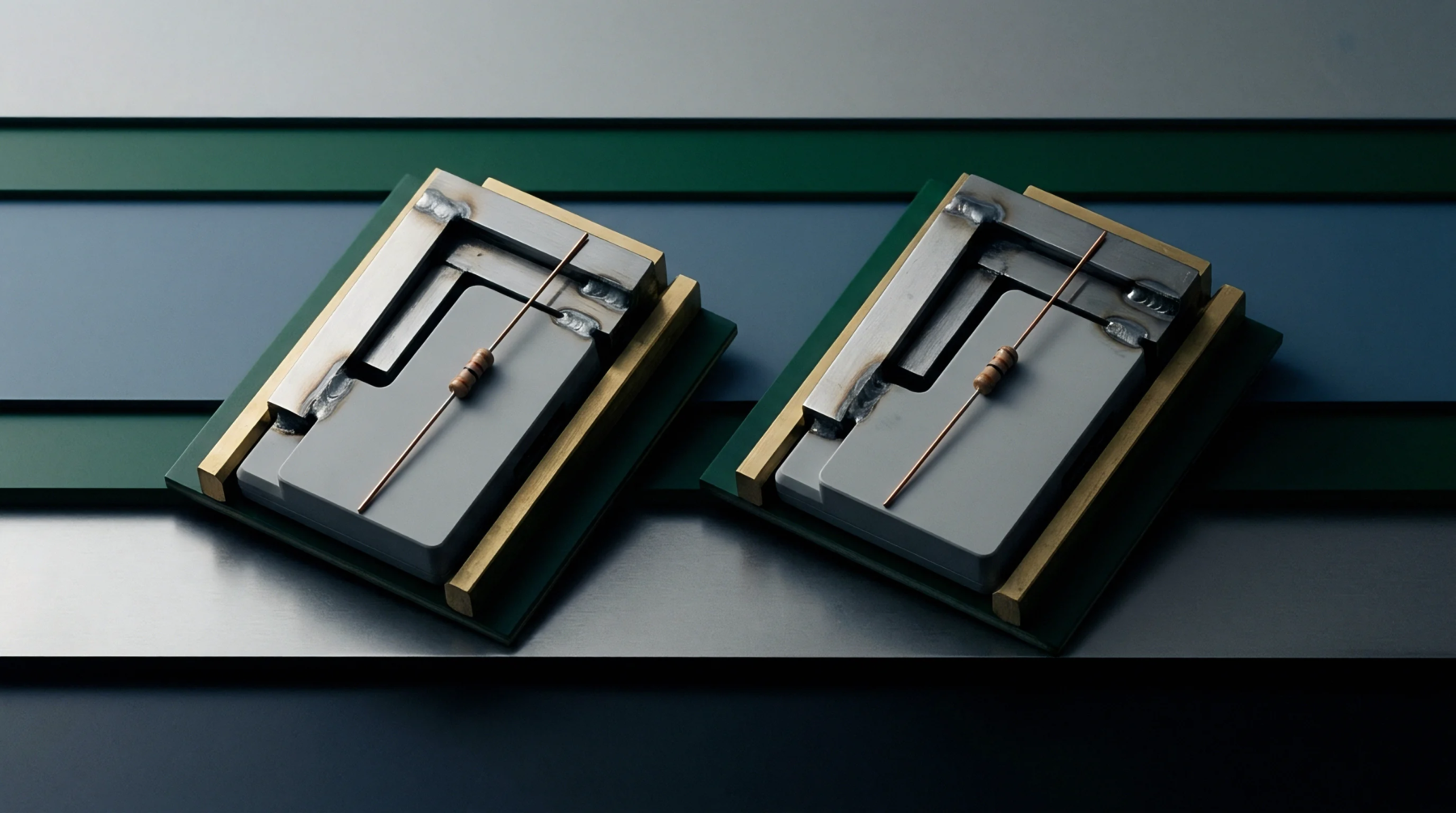
Dielectric characterization methods determine in-circuit signal velocity by accounting for test fixture field structure, glass anisotropy, and copper surface roughness.
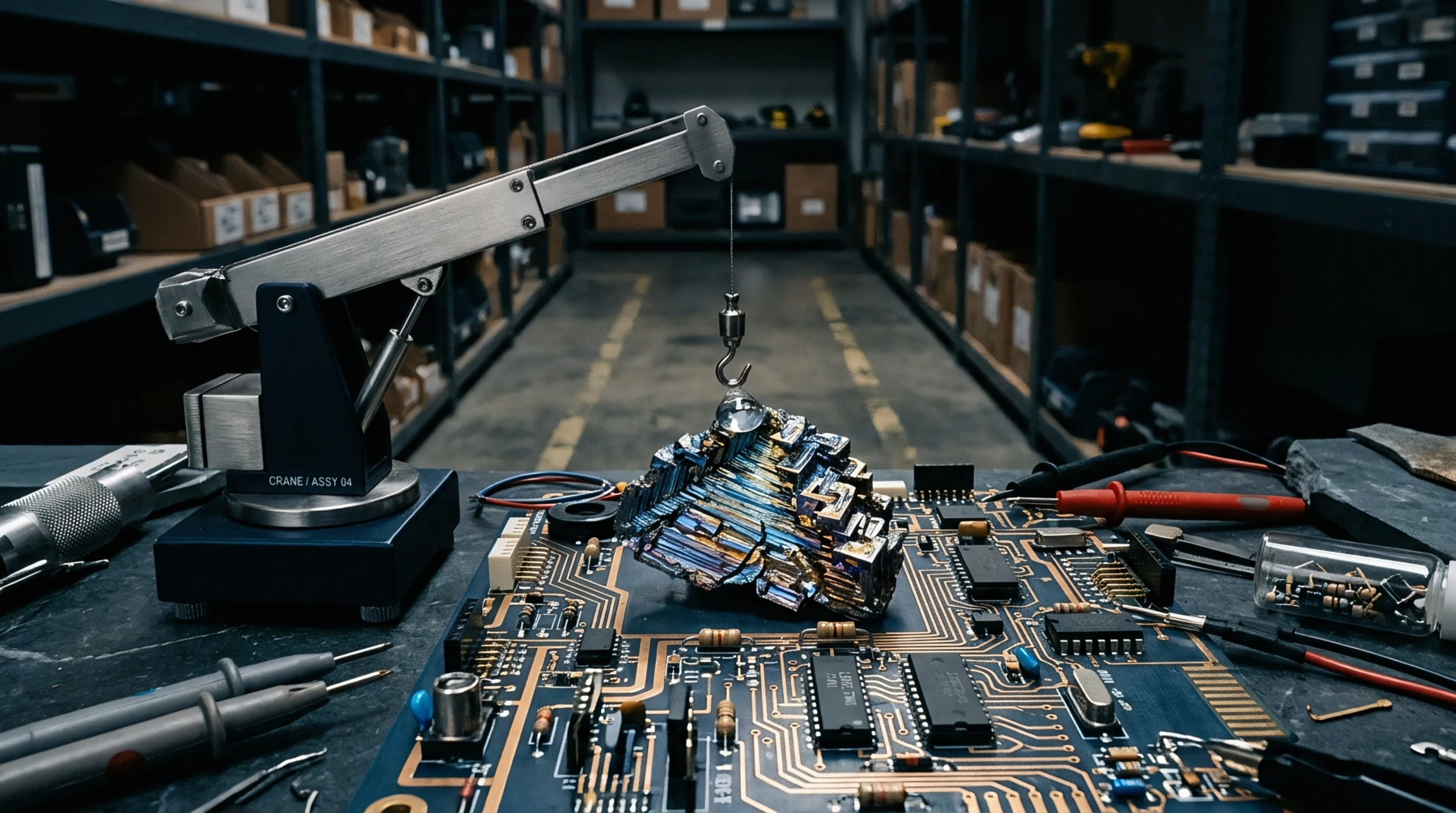
Residual via stubs and connector discontinuities cause reflections and loss deviations that exhaust receiver DFE taps and collapse PCIe link margins.
Temperature-driven phase delay drift in PAM4 stackups stems from the thermal expansion coefficient mismatch between glass fibers and resin matrix.
Extracting out-of-plane permittivity requires guarded parallel-plate or re-entrant cavity tests to isolate vertical flux fields from in-plane glass weave effects.
Expertise is a utility, not a secret. sentiention™ publishes its working knowledge as open reference: intelligence layer covering the materials it sources, the markets it enters, and the reference that serves both.