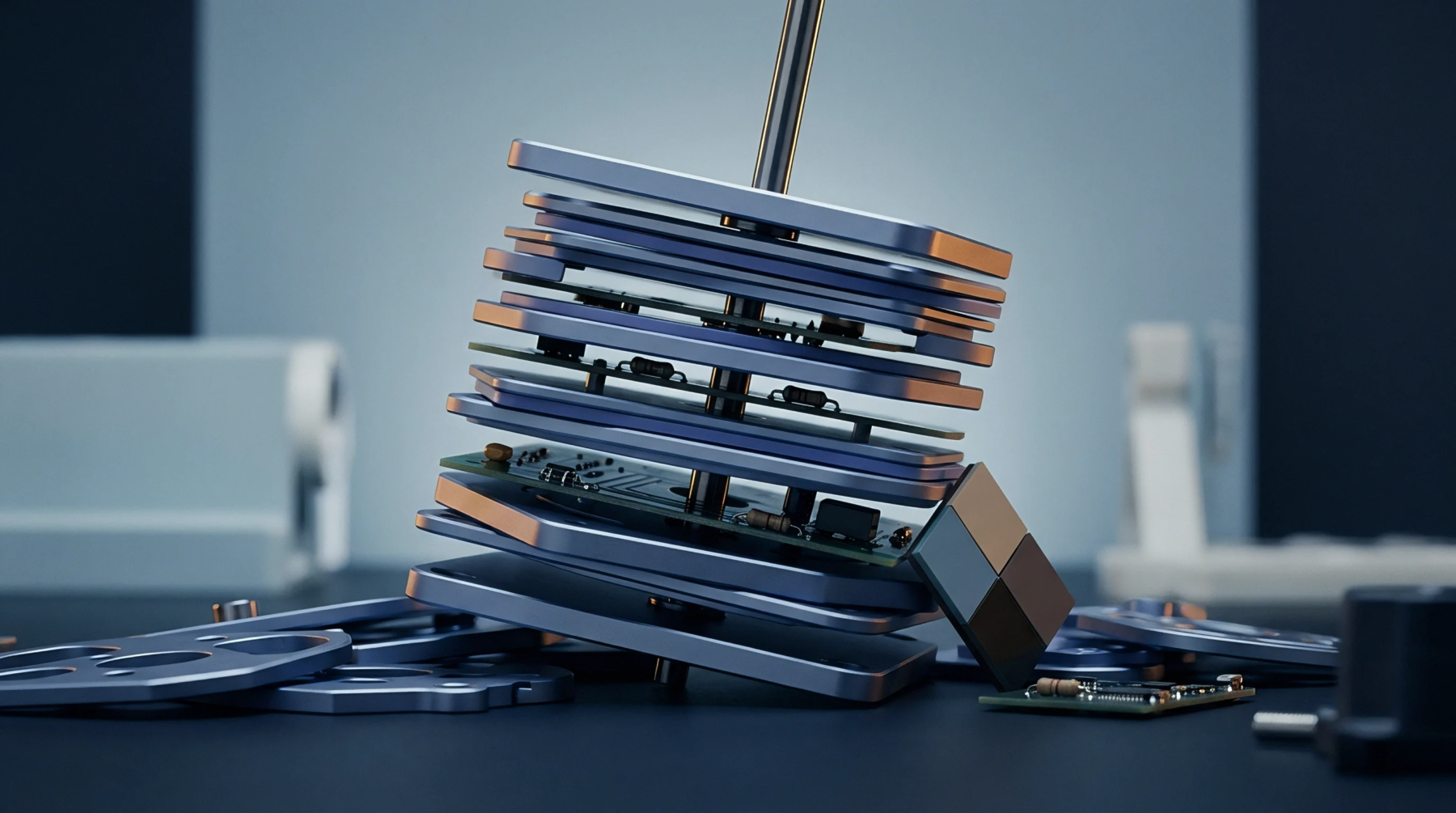
Substrate Copper Roughness Impacts on High Frequency Cavity Performance
Copper surface roughness increases high frequency cavity conductor attenuation by extending skin current path length and degrading unloaded quality factor.
Copper surface roughness increases high frequency cavity conductor attenuation by extending skin current path length and degrading unloaded quality factor.
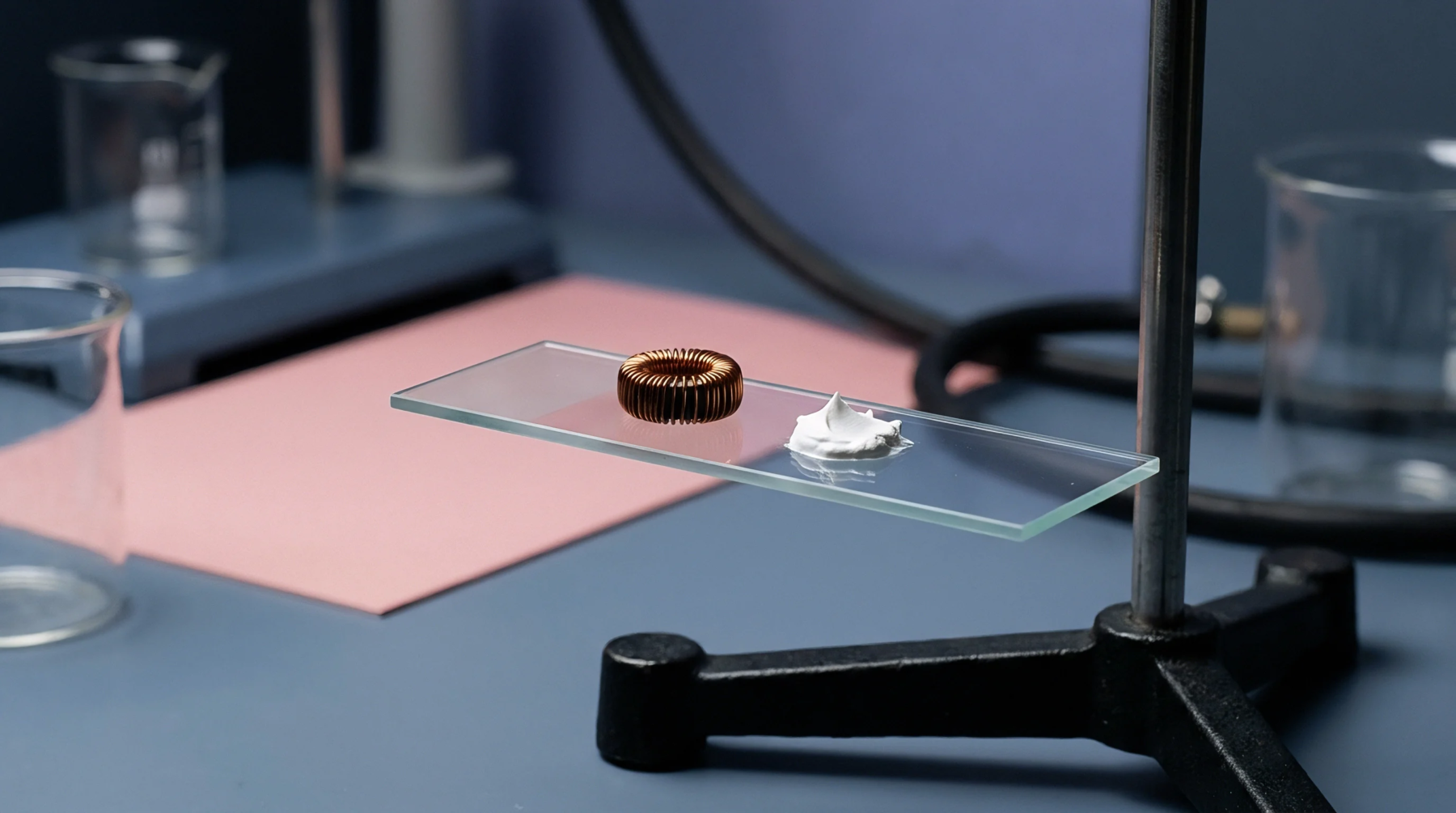
Decoupling tensor permittivity from interfacial scattering requires multiline TRL calibration and broadband power spectral density modeling up to 110 GHz.
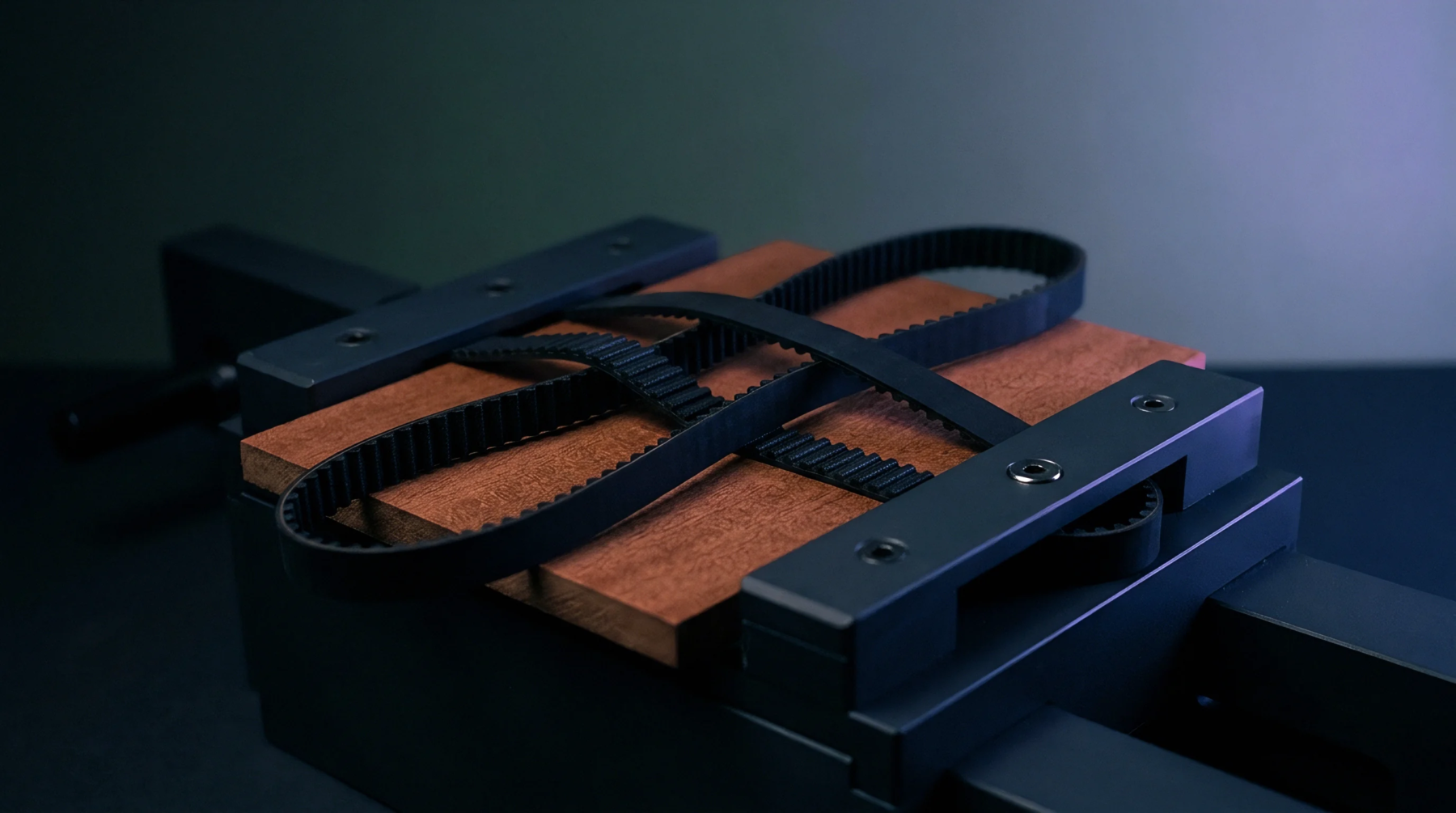
Quasi-optical extraction isolates intrinsic substrate loss from copper roughness, requiring explicit z-axis anisotropy conversion for accurate mmWave stackup design.
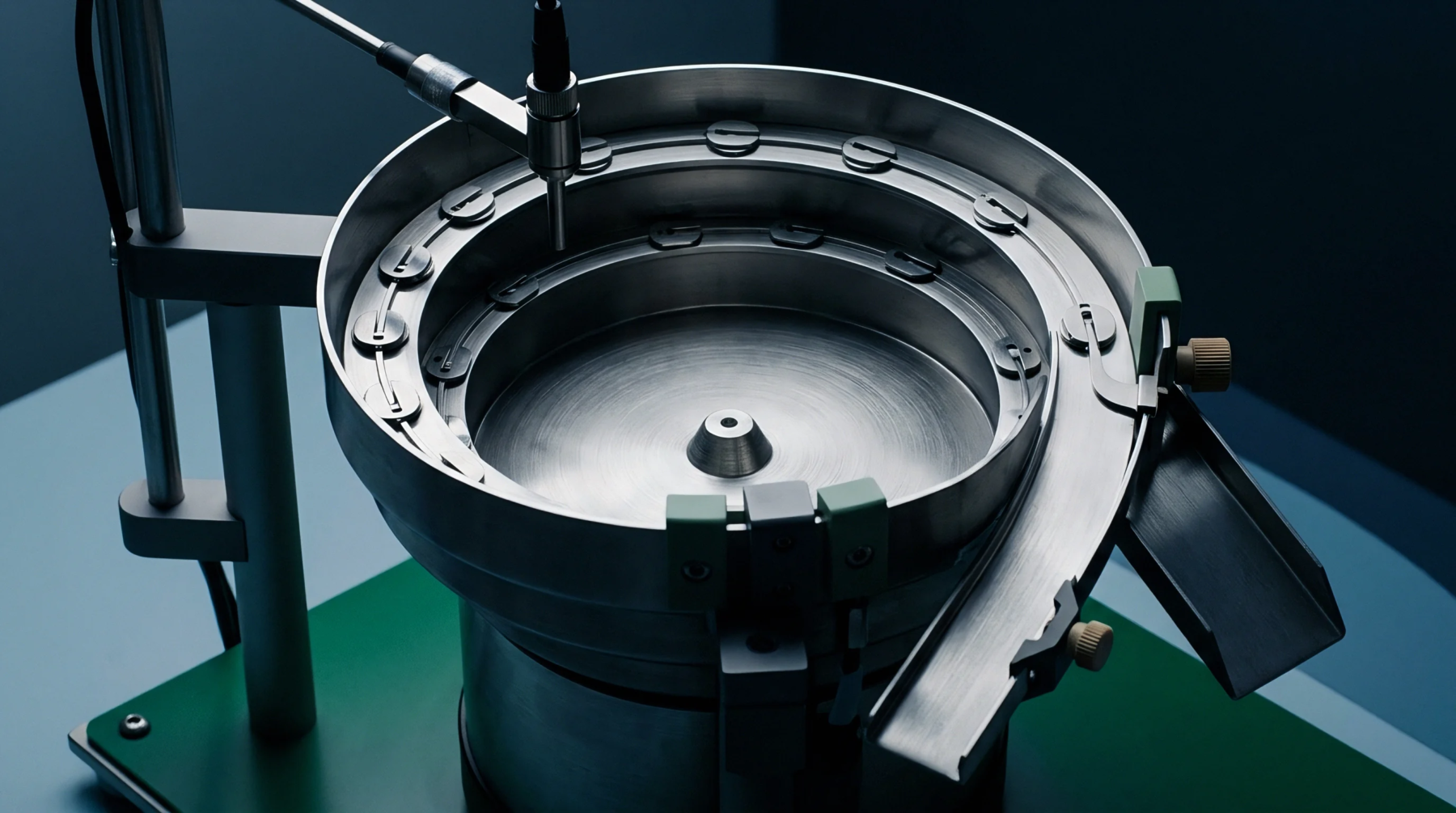
Evaluating laminate glass weave anisotropy requires specifying mechanically spread low-Dk glass styles and off-axis trace routing to eliminate spatial phase skew.
Pairing mid-loss resins with HVLP copper cuts high-frequency trace attenuation by up to 38 percent without forcing transitions to expensive ultra-low-loss substrates.
Adhesiveless hydrophobic polyimide interfaces reduce high-frequency dielectric attenuation by suppressing moisture uptake and eliminating lossy acrylic adhesive layers.
Extracting out-of-plane permittivity requires guarded parallel-plate or re-entrant cavity tests to isolate vertical flux fields from in-plane glass weave effects.
Expertise is a utility, not a secret. sentiention™ publishes its working knowledge as open reference: intelligence layer covering the materials it sources, the markets it enters, and the reference that serves both.