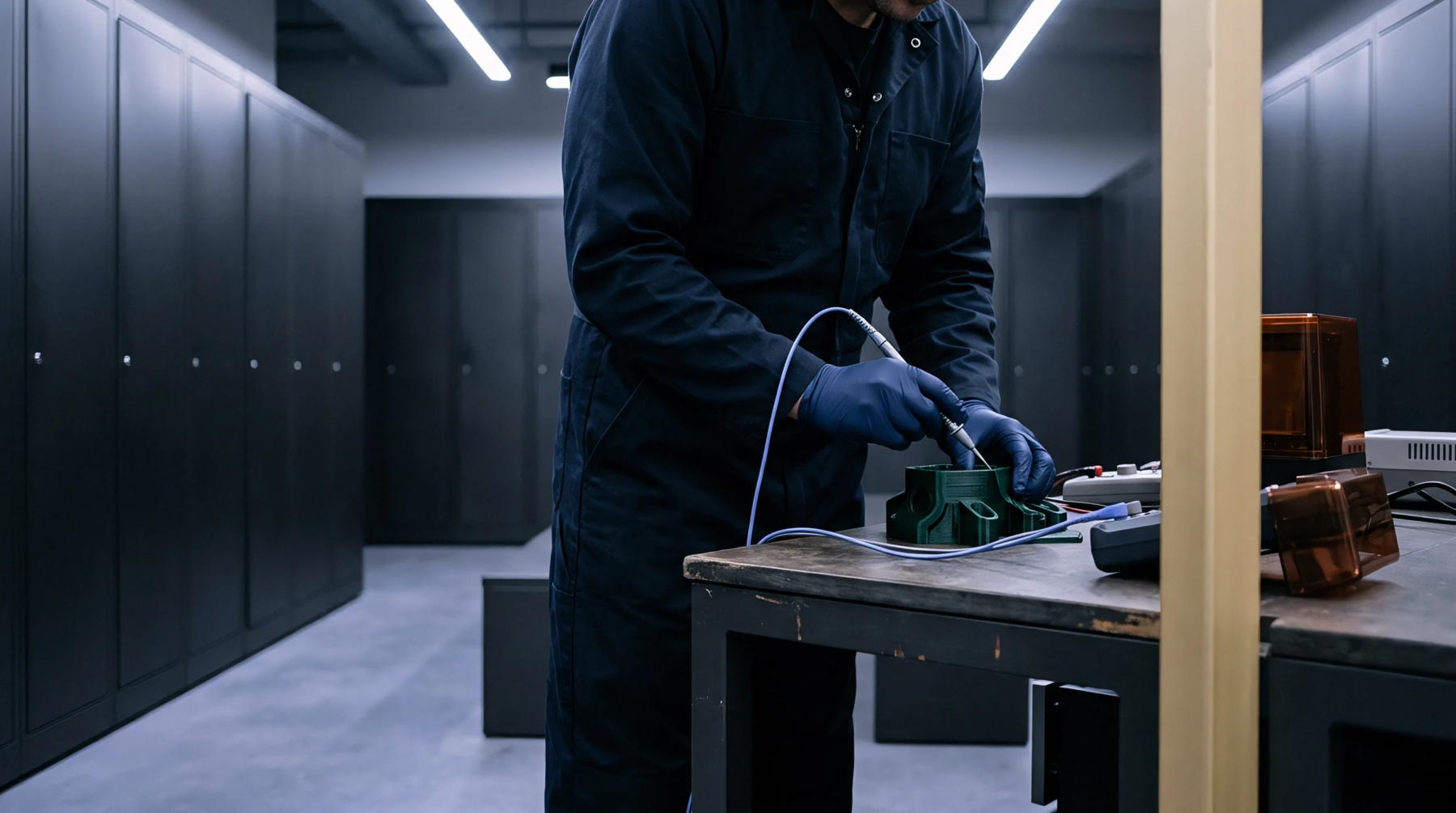
Direct Imaging Registration Accuracy Limits across Multi-Layer Thin-Core High-Density Interconnect Laminates
Dynamic zone direct imaging compensates for anisotropic thin-core shrinkage, keeping microvia misregistration within sub-15 micron limits.
Dynamic zone direct imaging compensates for anisotropic thin-core shrinkage, keeping microvia misregistration within sub-15 micron limits.
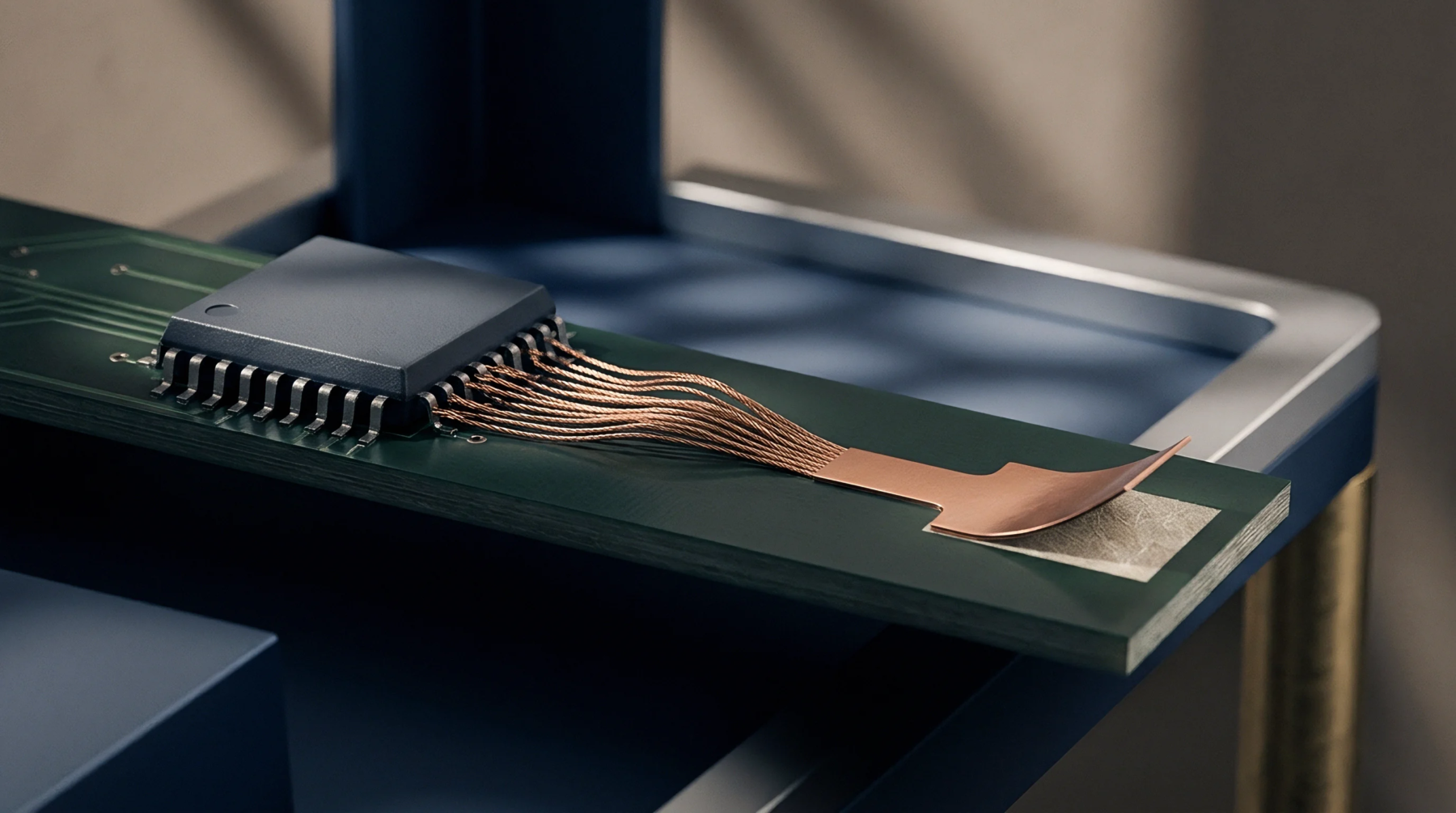
High shear squeeze flow during substrate lamination forces shear thinning in prepreg resin, enabling complete microvia cavity fill before gelation locks the network.
Balanced inner layer copper thieving mitigates thermal lamination shift by equalizing dynamic resin flow pressures and mechanical strains during press cycles.
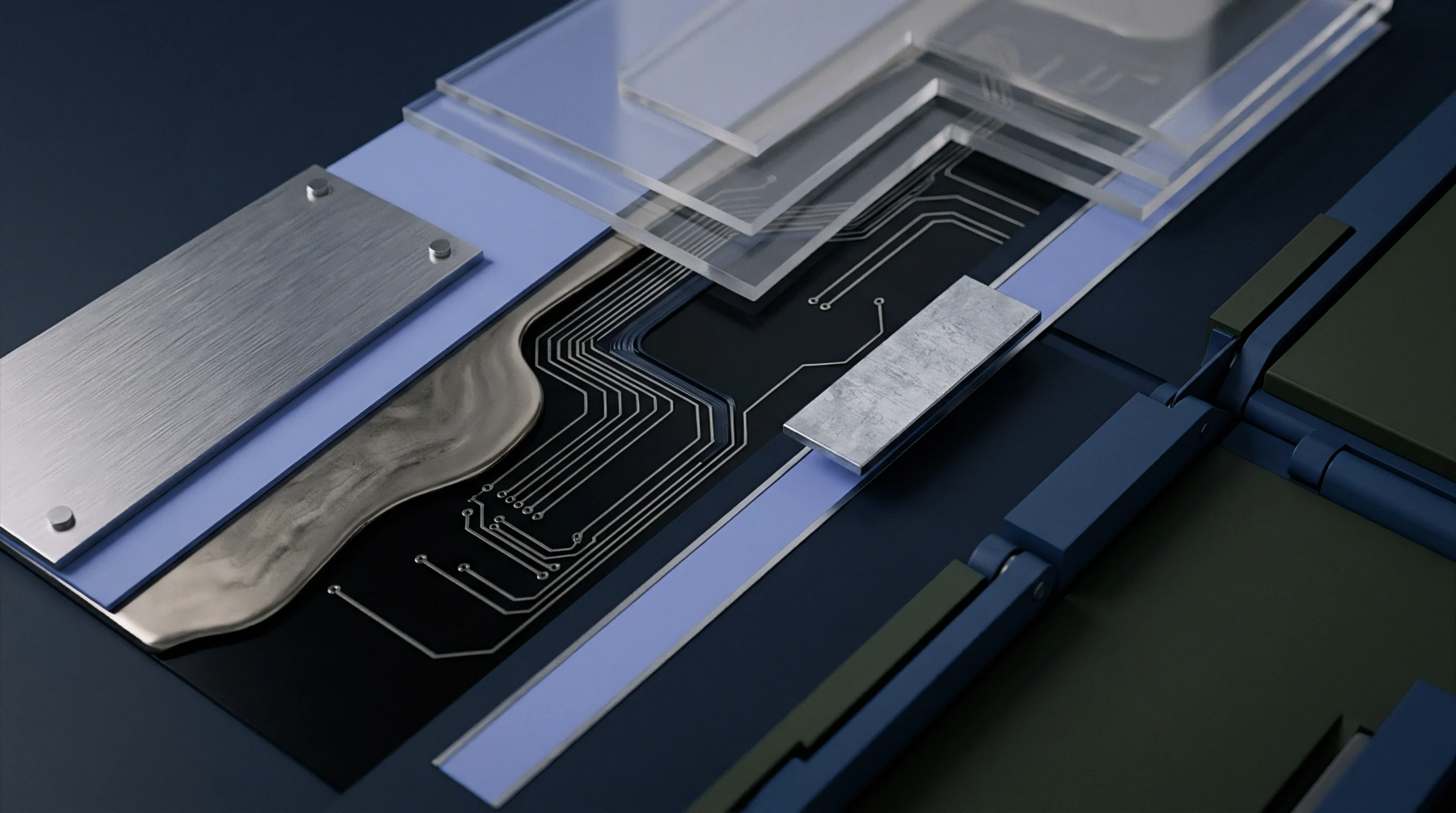
Shear forces during vacuum pressing shift heavy copper traces when resin flow velocity exceeds interfacial bond strength, requiring optimized aspect ratios.

High-frequency laminate rheology dictates prepreg flow kinetics, fixing pressed dielectric thickness, local impedance stability, and panel registration yield.
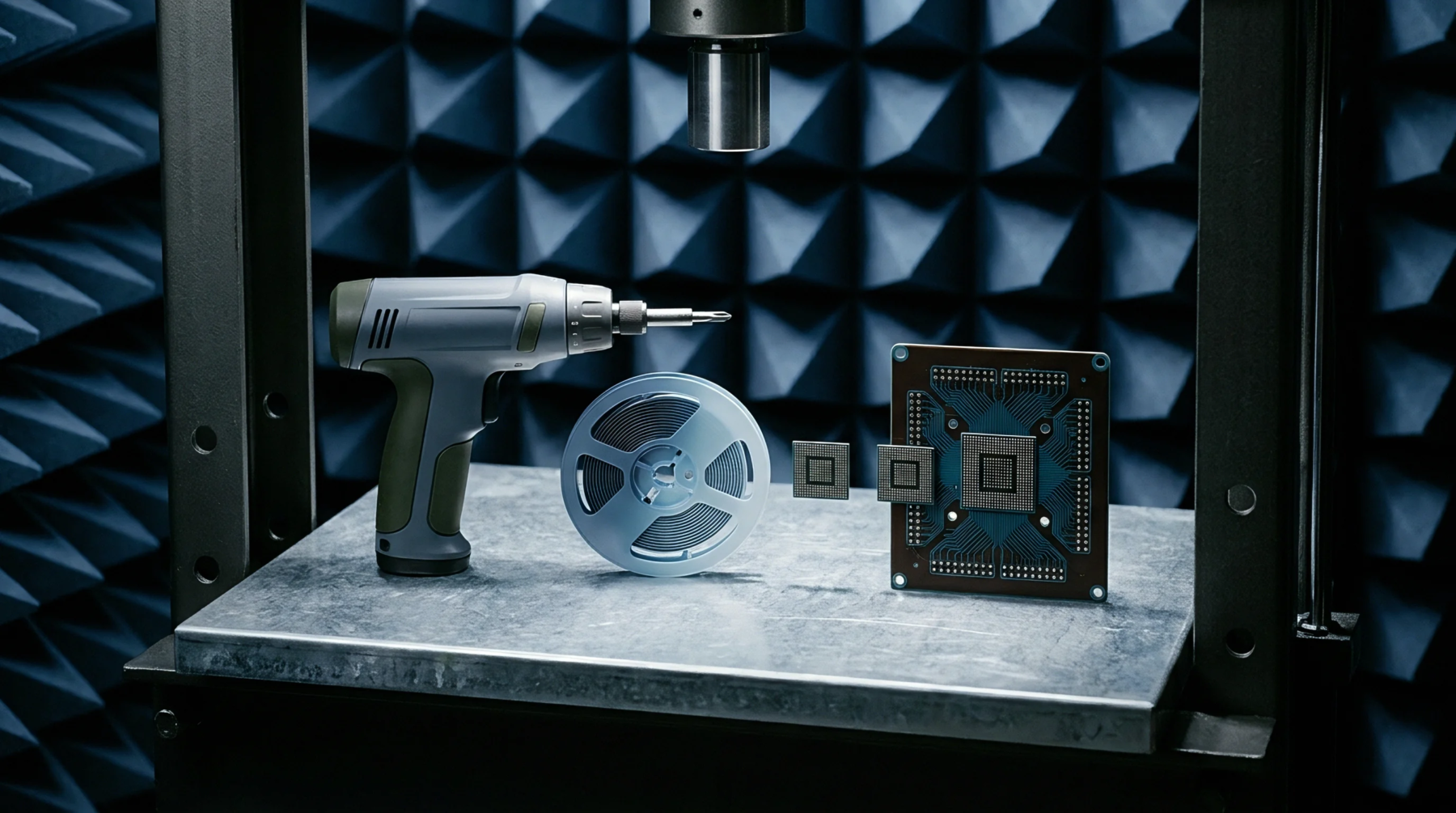
Sub-stack resin squeeze-out during sequential lamination elevates z-axis Dk and reduces dielectric thickness, shifting differential impedance off target.
Expertise is a utility, not a secret. sentiention™ publishes its working knowledge as open reference: intelligence layer covering the materials it sources, the markets it enters, and the reference that serves both.