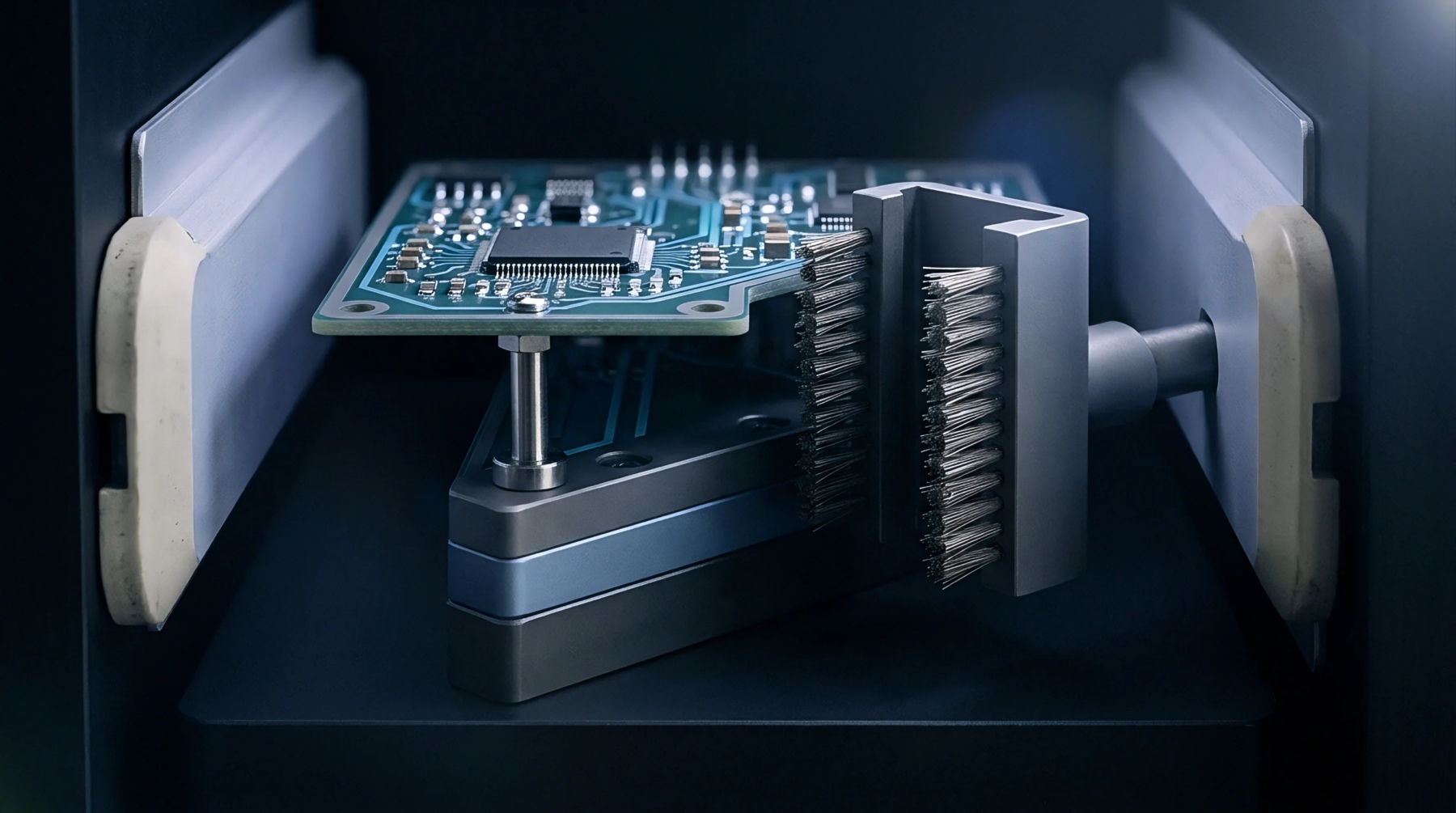
Standard Glass Style Selection for High Speed Printed Circuit Stackups
Select mechanically spread glass styles like 1078 and low-Dk formulations to eliminate weave opening voids and suppress intra-pair skew across high-speed channels.
Select mechanically spread glass styles like 1078 and low-Dk formulations to eliminate weave opening voids and suppress intra-pair skew across high-speed channels.
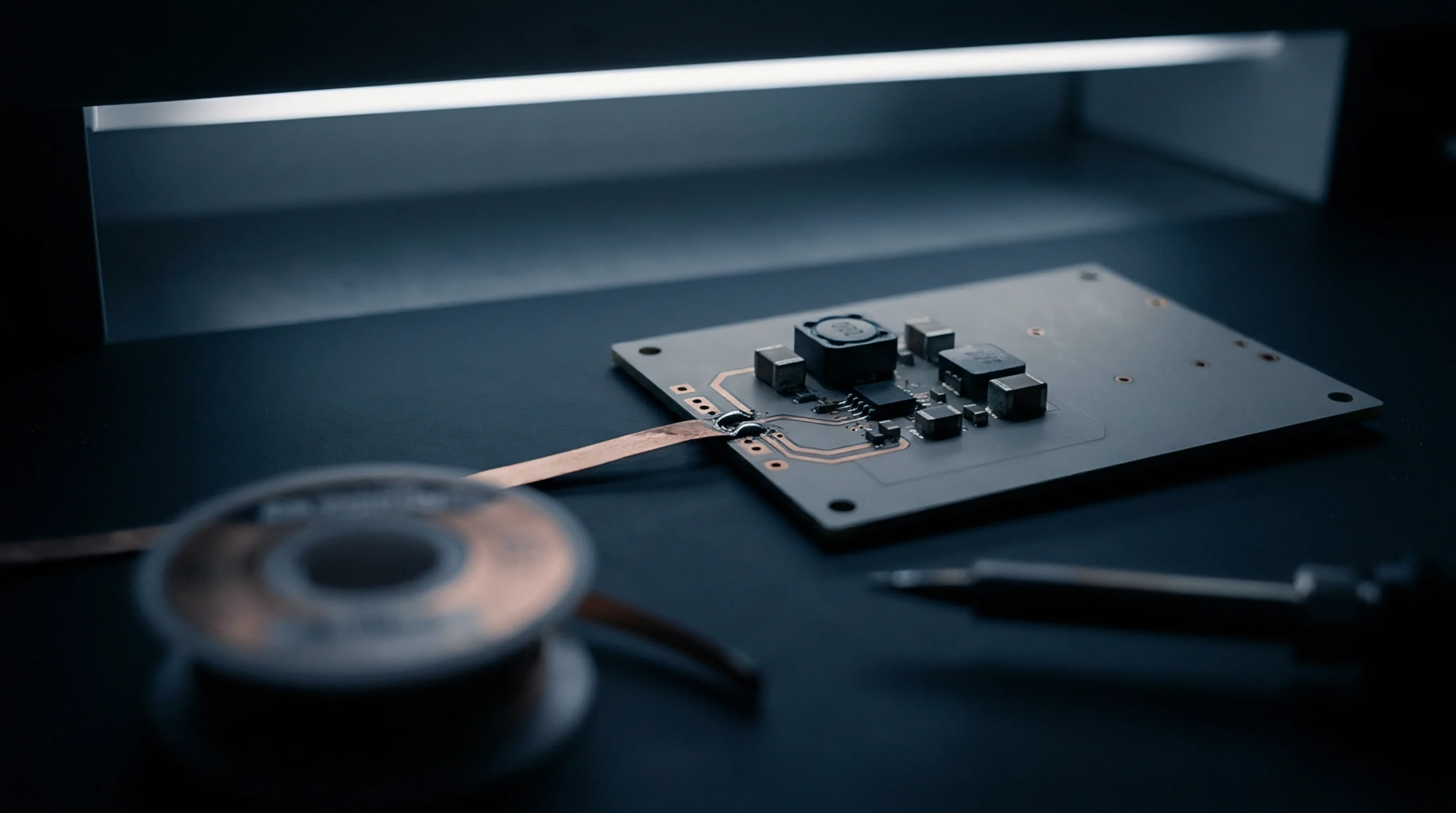
Calculate glass weave skew by integrating spatial permittivity deltas across weave pitch to establish phase delay bounds for high-speed differential pairs.
Temperature-driven phase delay drift in PAM4 stackups stems from the thermal expansion coefficient mismatch between glass fibers and resin matrix.
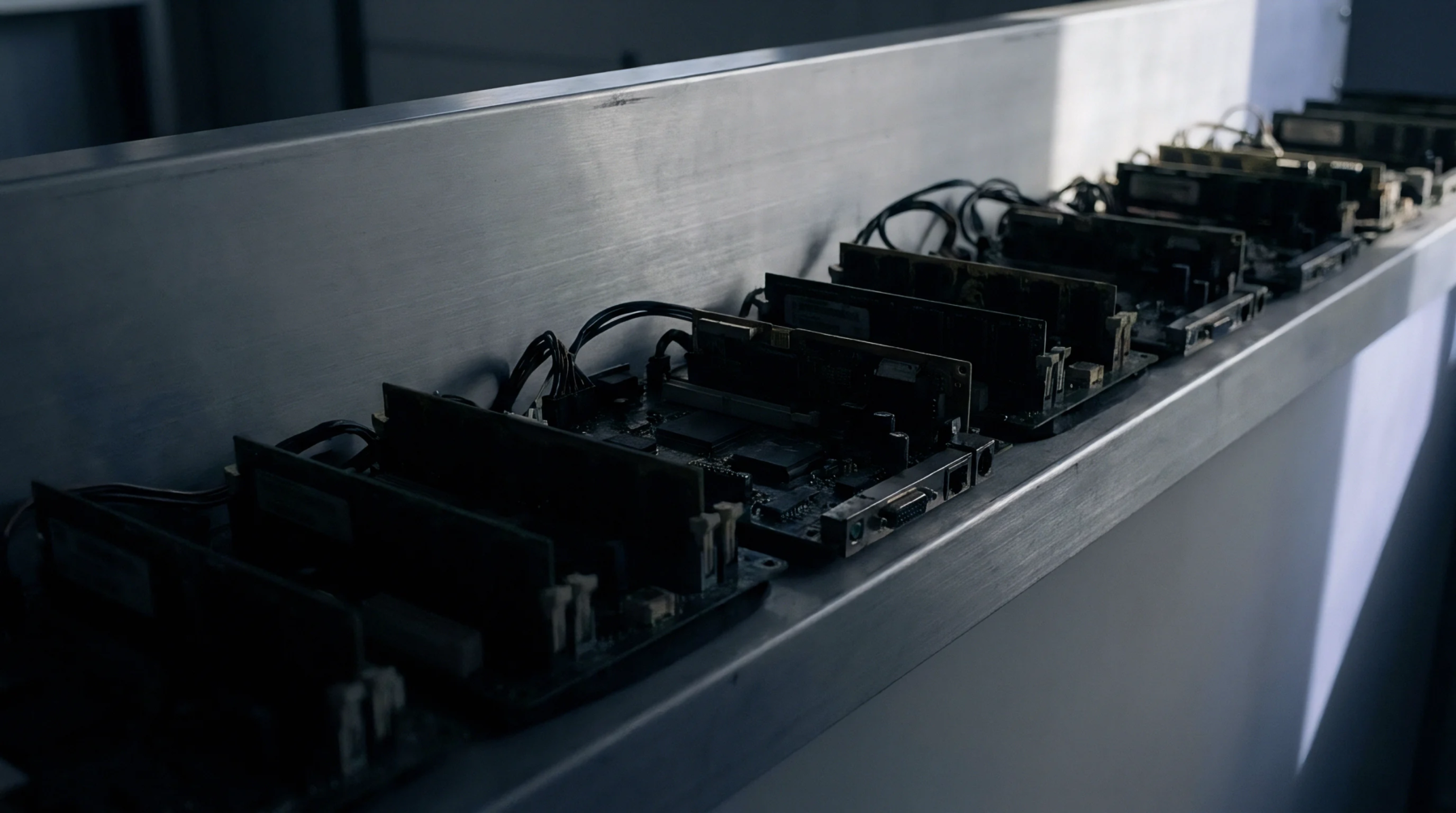
Selecting spread glass fabric styles with tight yarn pitch eliminates differential skew and preserves PAM4 channel margins without complex trace routing.
Anisotropic permittivity variations in glass filament bundles under thermal cycling and moisture exposure are driven by silane interphase degradation, requiring spread-glass weaves and dynamic tensor modeling to prevent high-speed differential skew.
Expertise is a utility, not a secret. sentiention™ publishes its working knowledge as open reference: intelligence layer covering the materials it sources, the markets it enters, and the reference that serves both.