Methodological Protocol
Electrical and chemical performance standards govern the evaluation of printed board materials through ipc-tm-650. This collection of manuals dictates specific analytical techniques for quantifying physical properties and electrical behavior. Laboratories apply these procedures to determine if raw laminates or processed boards meet defined quality limits.
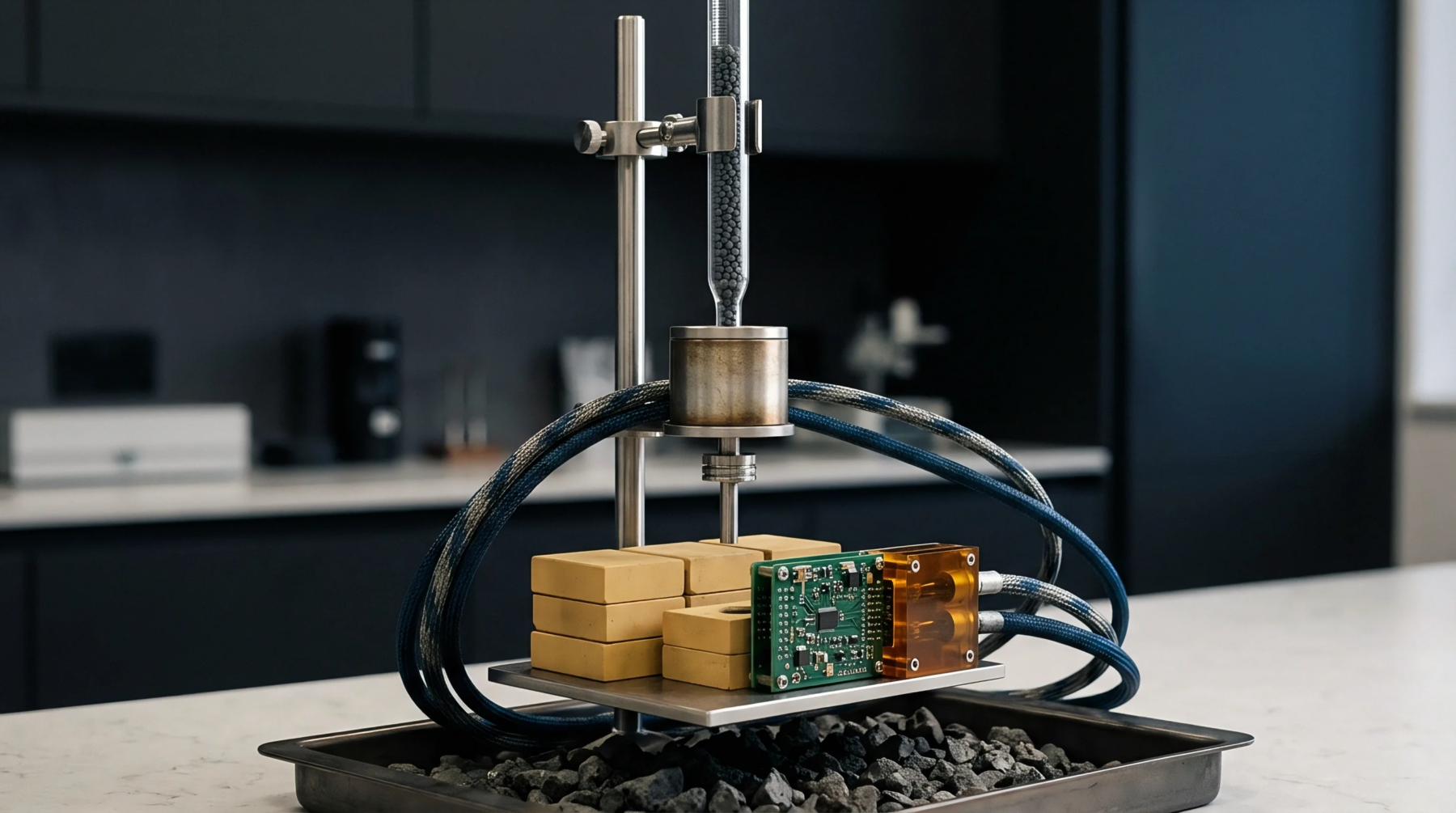
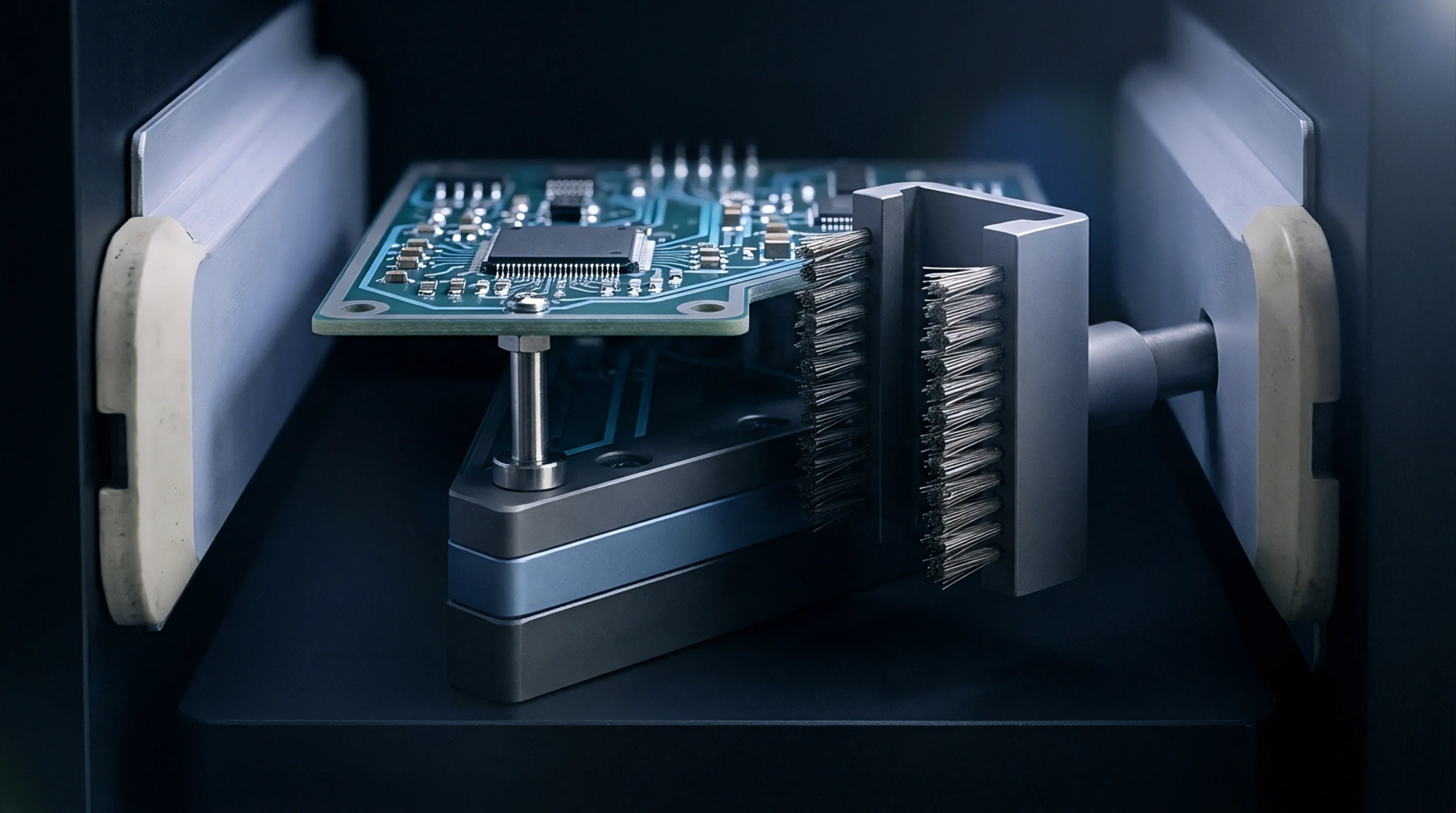
Every individual document within the series focuses on one parameter, such as moisture absorption, thermal shock resistance, or copper peel strength. These guidelines define the specific fixture geometry and environmental conditioning necessary to ensure repeatability across different test facilities. The boundary of applicability resides at the material characterization and qualification stage, excluding day to day functional testing of completed assemblies.
Validation Variable
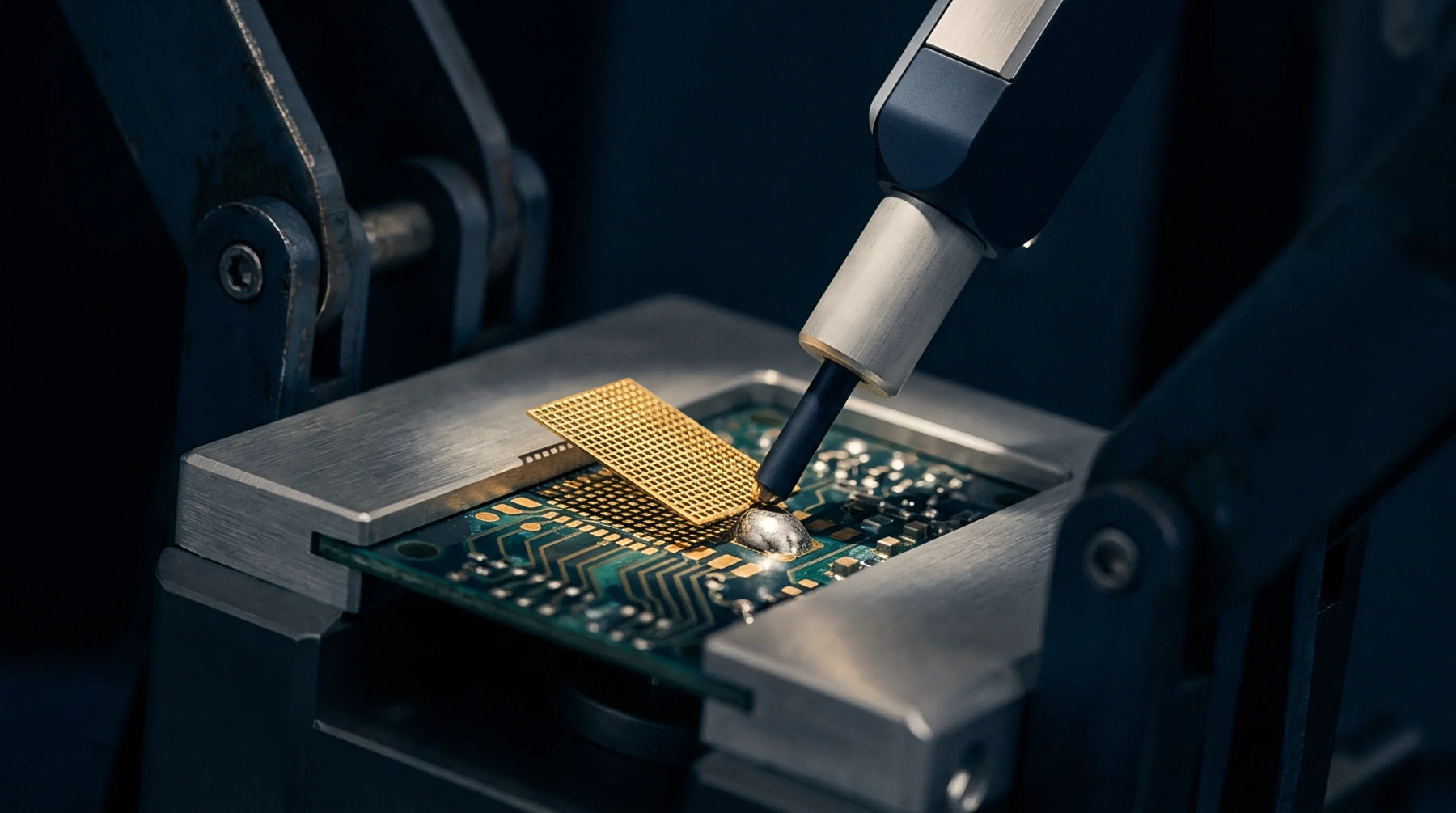
Technicians employ the ipc-tm-650 framework to isolate failure modes during incoming inspection of base materials. If a batch exhibits inconsistent dielectric constants or unexpected delamination after solder reflow, the specific test method reveals the deviation from procurement specifications. Operators execute the heating cycles and tension measurements defined by the standard to generate empirical data.
These figures allow engineers to correlate board integrity with the chemical composition of resin systems or the surface treatment of copper foils. Precise adherence to these protocols prevents the adoption of materials that might degrade during long term service. Reliable test results enable the exclusion of board stock that lacks the required stability for high frequency signal paths or dense interconnect structures.
Standardization Metric
Consistent execution of ipc-tm-650 serves to align performance expectations between suppliers and board shops. Industry adoption of these common procedures removes ambiguity regarding how a material property is measured or reported. Manufacturers calculate compliance by comparing measured values directly against the limits set by the governing material standard.
These quantitative outcomes determine whether a raw material lot earns approval for production use or faces rejection. Data derived from these methods provide the necessary evidence for material qualification reports within the supply chain. Standardized testing regimes provide the objective basis for maintaining consistent electrical performance across complex electronic assemblies.