Elongation Threshold
Plastic strain endurance measures the capacity of a metallic conductor to deform under tensile stress without developing microstructural fractures. In printed board manufacturing, copper ductility dictates whether electrodeposited through-hole plating survives thermal expansion during assembly. Industrial acceptance rules demand at least twelve percent elongation for through-hole copper.
This physical requirement ceases to apply after laminate decomposition temperatures.
Z-Axis Strain
Thermal expansion along the vertical axis of a printed circuit board subjects through-hole copper barrels to intense mechanical tension during wave soldering and reflow passes. Dielectric resin systems expand at rates five to ten times greater than metallic conductors above the glass transition temperature. Low copper ductility prevents the plated barrel from stretching alongside the expanding resin, concentrating severe shear stresses at innerlayer junctions and hole knees.
Plating bath additives such as brighteners and levelers govern grain formation during electrolytic acid copper deposition. Organic co-deposition or excessive chloride concentrations in the plating tank create brittle columnar grain structures that drastically diminish ductility. Maintaining optimal plating chemistry ensures equiaxed copper grain crystallization, allowing the plated barrel to yield plastically without rupturing.
Boards subjected to multiple lead-free thermal profiles rely on this plastic deformation to preserve electrical continuity across internal ground planes.
Tensile Verification
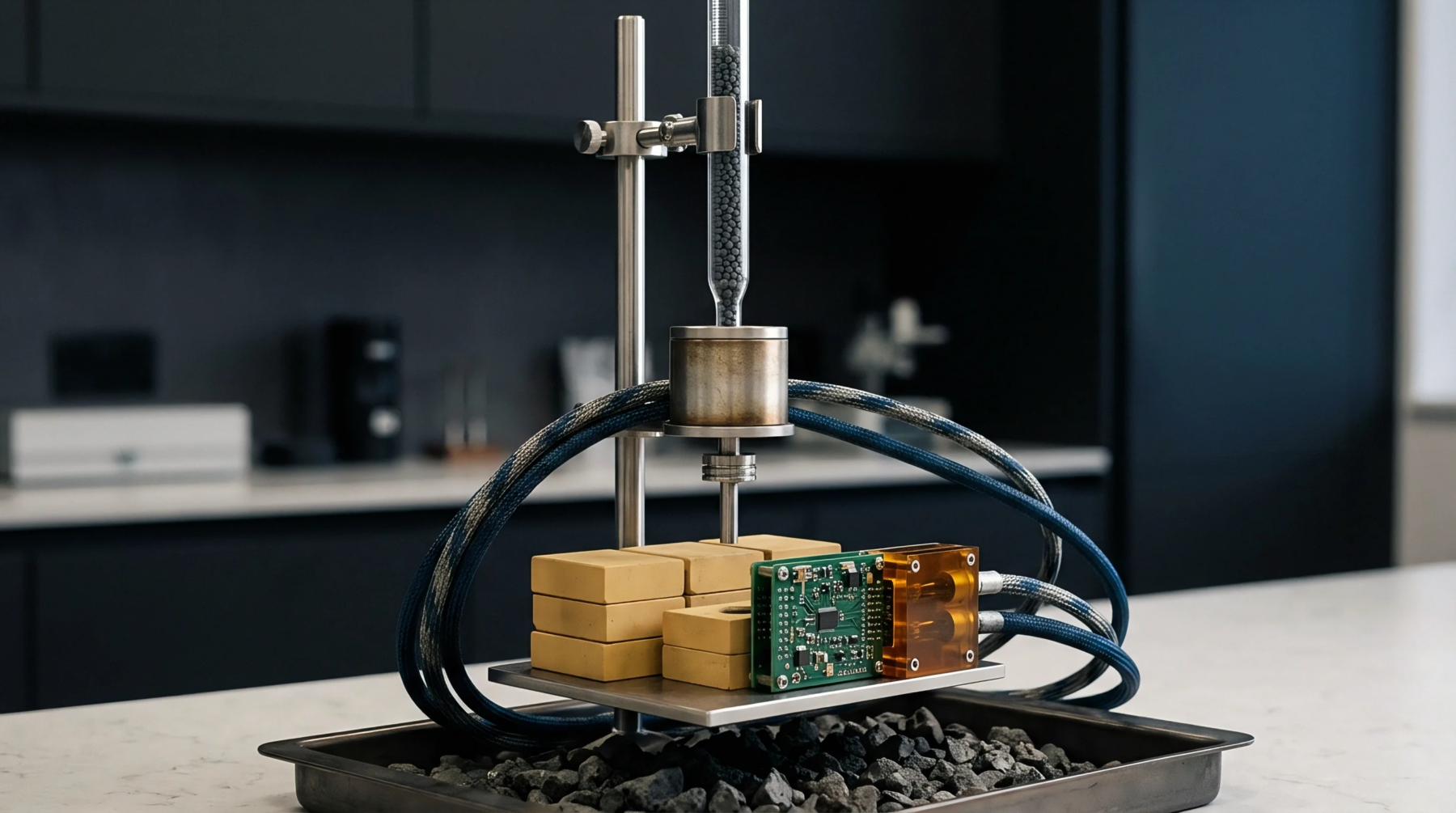
Standardized tensile elongation testing isolates electroplated foil strips to evaluate mechanical resilience prior to volume panel production. Quality control laboratories peel electrodeposited copper samples directly from stainless steel test mandrels according to test method IPC-TM-650 2.4.18. A mechanical pull tester stretches the copper foil at a controlled displacement rate until rupture occurs, calculating elongation percentage from initial gauge length extension.
Microhardness testing provides supplementary data regarding plating bath contamination, identifying embrittled deposits caused by degraded chemical additives. Failure to achieve the twelve percent elongation baseline mandates immediate bath carbon treatment or plating current recalibration.