Measurement Protocol
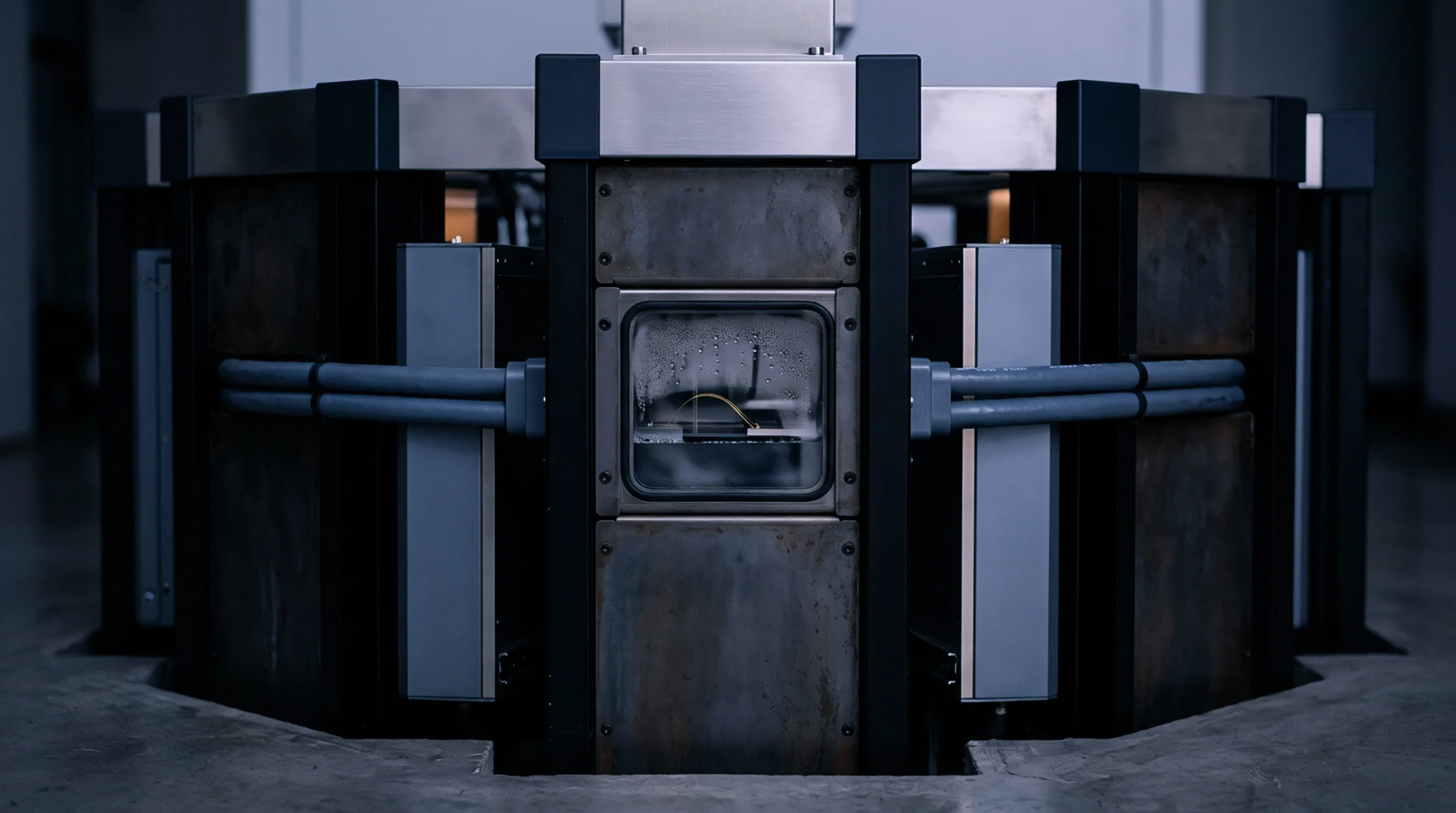
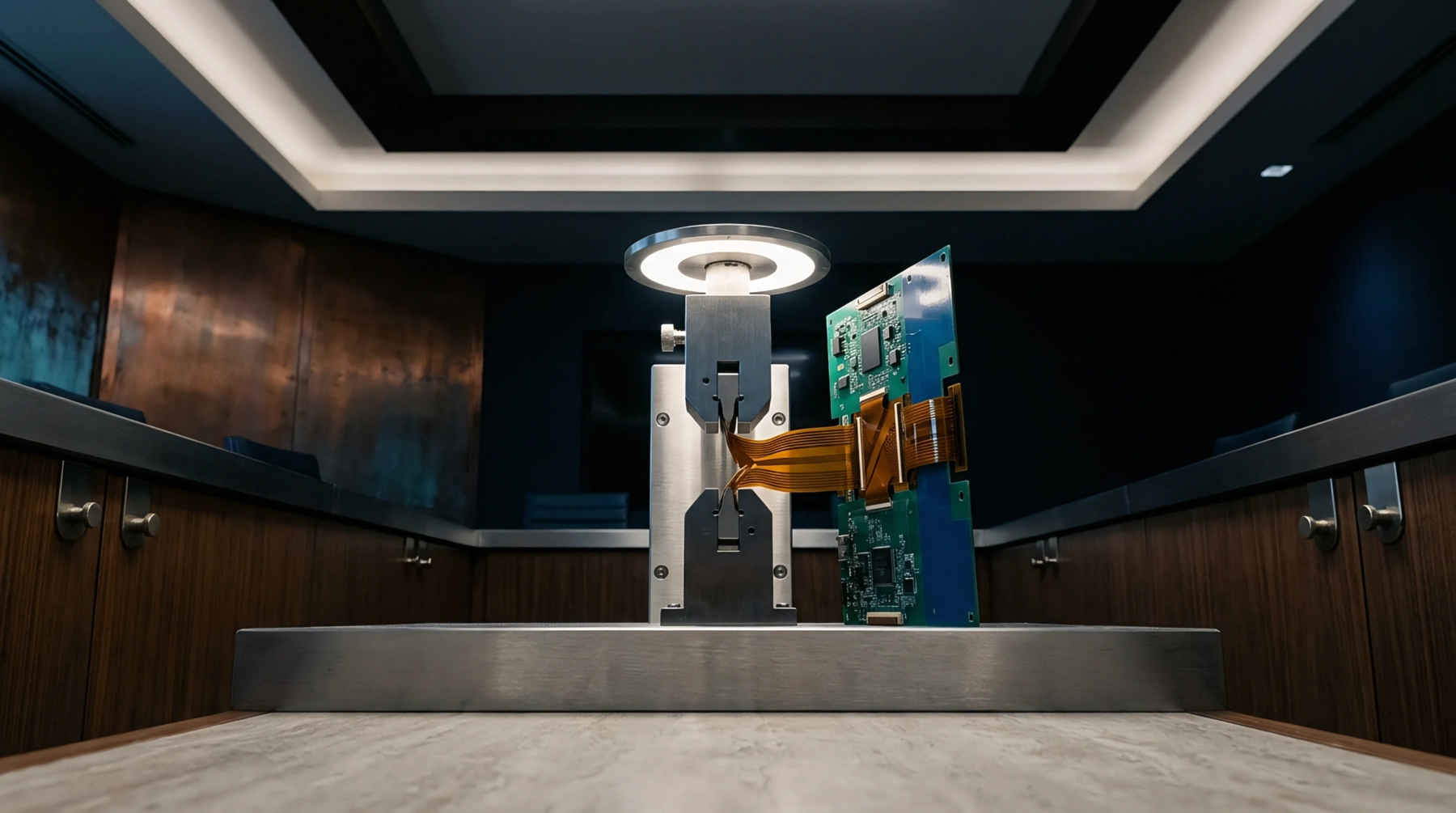
In-situ electrical evaluation during accelerated environmental stress testing detects transient open circuits, crack propagation and intermittent solder joint fractures in real time. Continuous resistance monitoring logs resistance across daisy-chained interconnects without pausing thermal or vibration cycling. Event detectors capture transient resistance spikes above fixed thresholds such as 1000 ohms for durations as short as 200 nanoseconds.
Detection Threshold
IPC-9701 defines failure as an absolute resistance increase exceeding an established limit or five consecutive transient interruptions across a solder loop. Solder interconnects under cyclic mechanical strain develop microcracks that open during the tensile half of a thermal cycle and close during compression. Periodic room-temperature measurement misses these intermittent disruptions because mechanical relaxation restores contact when thermal loads abate.
Dynamic data acquisition systems continuously sample low-current signals across hundreds of channels simultaneously. High channel counts introduce cable parasitics and thermal electromotive force noise that require four-wire Kelvin wiring architectures.
Failure Verification
Microstructural sectioning correlates logged electrical anomalies with physical fatigue damage in the metallic matrix. Visualizing the crack interface confirms whether joint separation occurred across bulk solder or along intermetallic boundary layers. Solder joint fatigue life quantified through continuous resistance monitoring informs qualification timelines for automotive and aerospace assemblies.