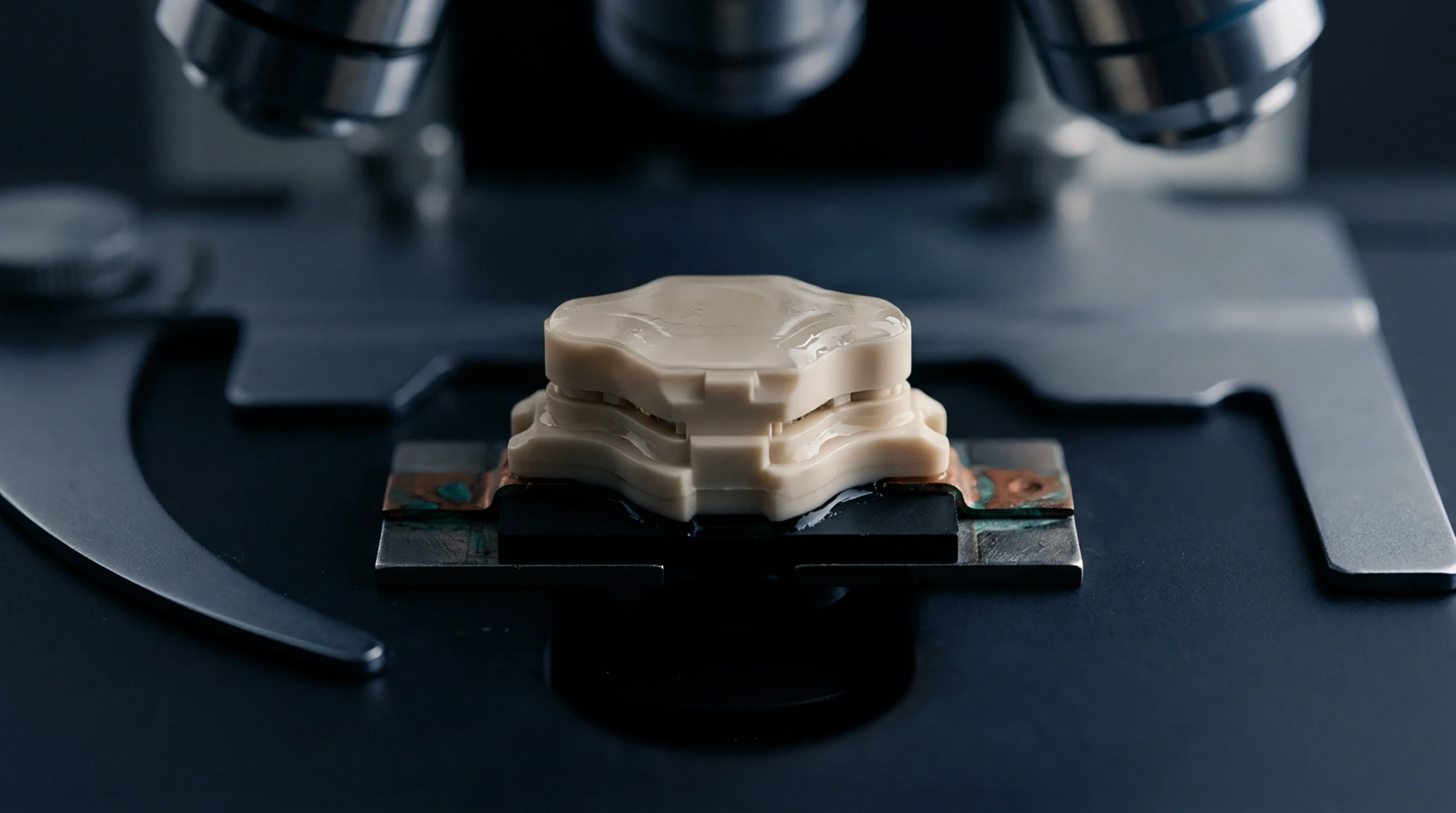
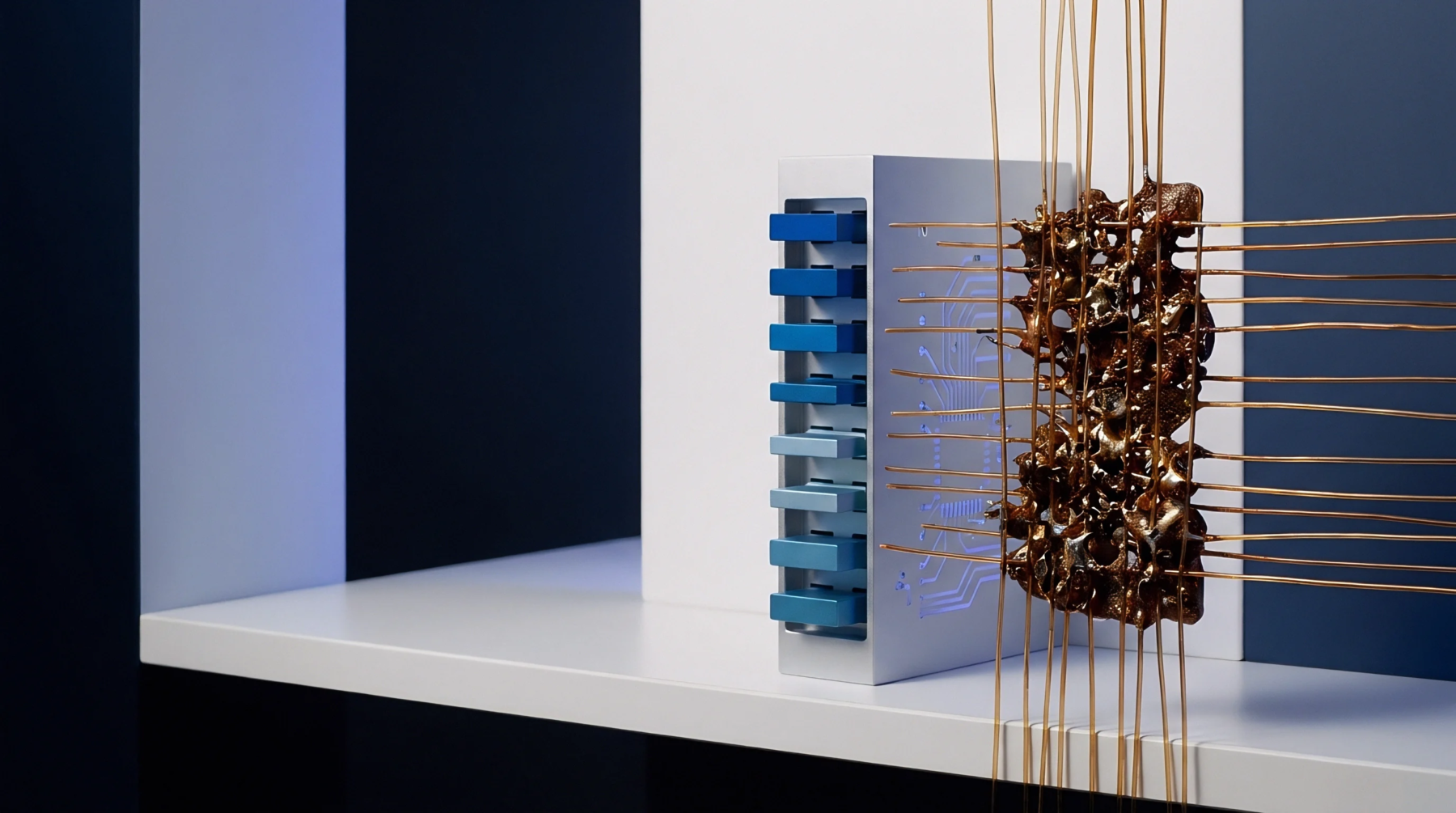
Tensor Mapping
Directional material properties in high-frequency laminates describe how electrical energy interacts with the substrate based on the orientation of the electric field. A permittivity tensor accounts for the fact that the dielectric constant may differ across the horizontal and vertical planes due to the weave of the glass reinforcement. This mathematical tool provides the complete set of values needed to model signal propagation in three dimensions.
Anisotropy Effect
The glass fibers in a PCB have a higher dielectric constant than the resin which creates a non-uniform environment for the electromagnetic waves. A permittivity tensor captures these differences and helps engineers predict how the signal velocity will change depending on the direction of the trace. In high-speed designs, the orientation of the traces relative to the glass weave can cause timing variations that are not seen at lower frequencies.
Vector Measurement
Measuring the components of the tensor requires specialized test fixtures that can apply the electric field in different orientations. This data is used in simulation software to improve the accuracy of impedance and crosstalk calculations. Knowing the permittivity tensor allows for the design of boards that are more resistant to the effects of the glass weave pattern.
Manufacturers of low-loss materials often provide these directional values to help their customers achieve better signal integrity.