Crystalline Phase Change
Reversible structural reorganization within polytetrafluoroethylene polymer chains alters material density and molecular packing around nineteen degrees Celsius. The ptfe phase transition shifts the room-temperature crystal lattice from a well-ordered, dense configuration to a looser, partially disordered arrangement. This molecular relaxation causes an abrupt volumetric expansion accompanied by a sudden drop in effective dielectric constant.
High-frequency circuit boards using fluoropolymer substrates experience localized changes in phase velocity when operating environments cross this temperature threshold. The shift occurs precisely within common commercial and laboratory operating ambients, making it a critical consideration for precision electronics. Phase velocity swings disrupt phase-matched transmission lines found in radar antennas, phased arrays, and high-frequency instrumentation.
Conductor electrical lengths fluctuate despite constant physical geometry, introducing phase errors across synchronized signal channels.
Electrical Ramifications
Sudden volumetric expansion during room-temperature heating modifies relative permittivity across several degrees Celsius, creating a step change in signal delay. Engineers routing microwave circuits observe sudden phase jumps that destabilize phased-array antenna beam steering. The ptfe phase transition also influences thermal expansion coefficients, causing mechanical stress along copper-to-dielectric interfaces during thermal testing.
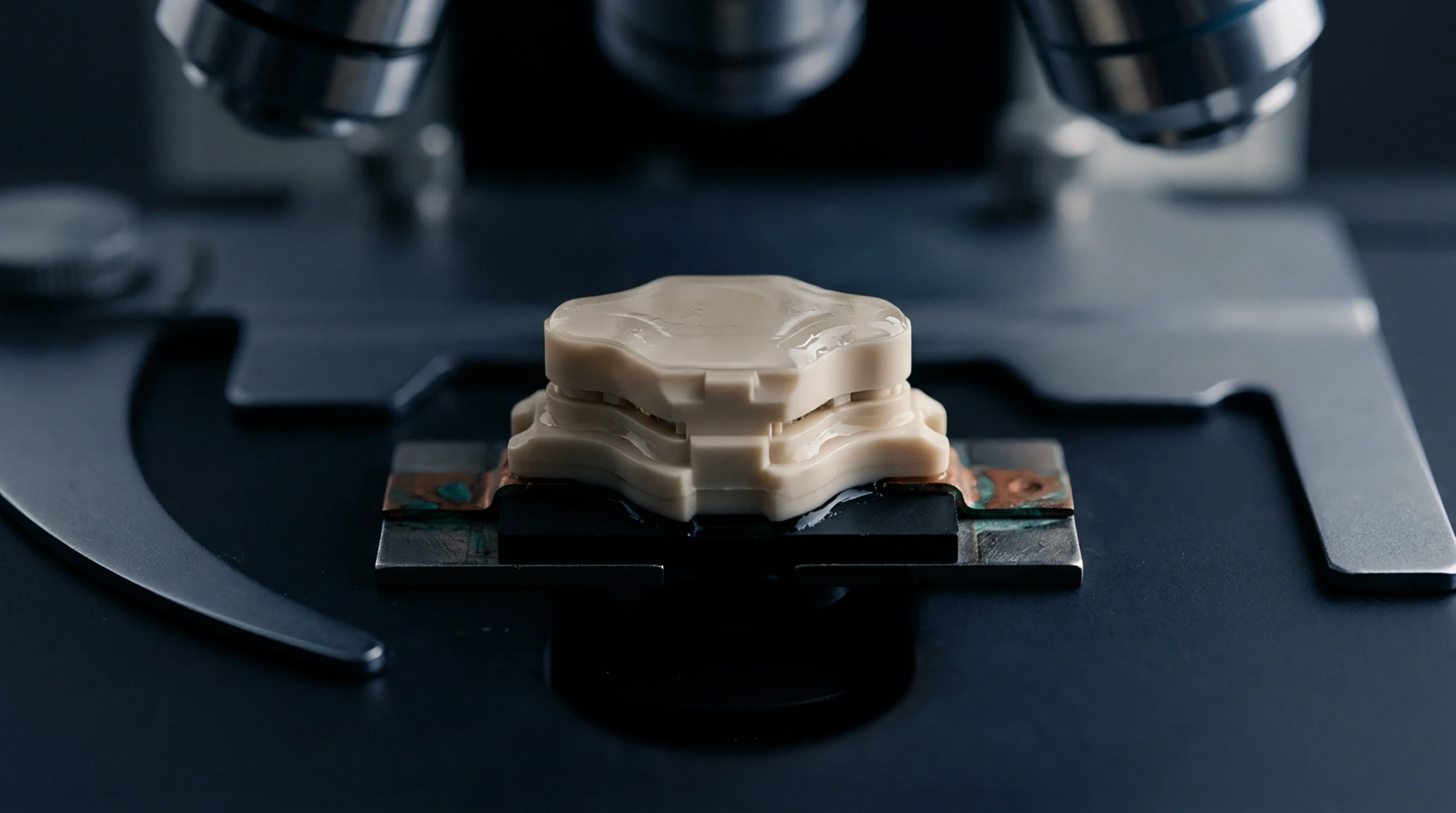
Conductor adhesion can degrade if repeated room-temperature thermal cycling induces mechanical fatigue along rough copper foil boundaries. Fabricators manage this behavior by incorporating micro-fiberglass reinforcement or ceramic filler particles into raw fluoropolymer resins. Ceramic fillers constrain the polymer matrix, dampening volumetric expansion spikes and smoothing dielectric step functions.
Modified fluoropolymer composites show flatter permittivity profiles across standard operating temperatures, reducing phase shifts to manageable design margins. Board designers select ceramic-filled formulations for wideband communications equipment exposed to unconditioned outdoor field environments.
Testing Qualification
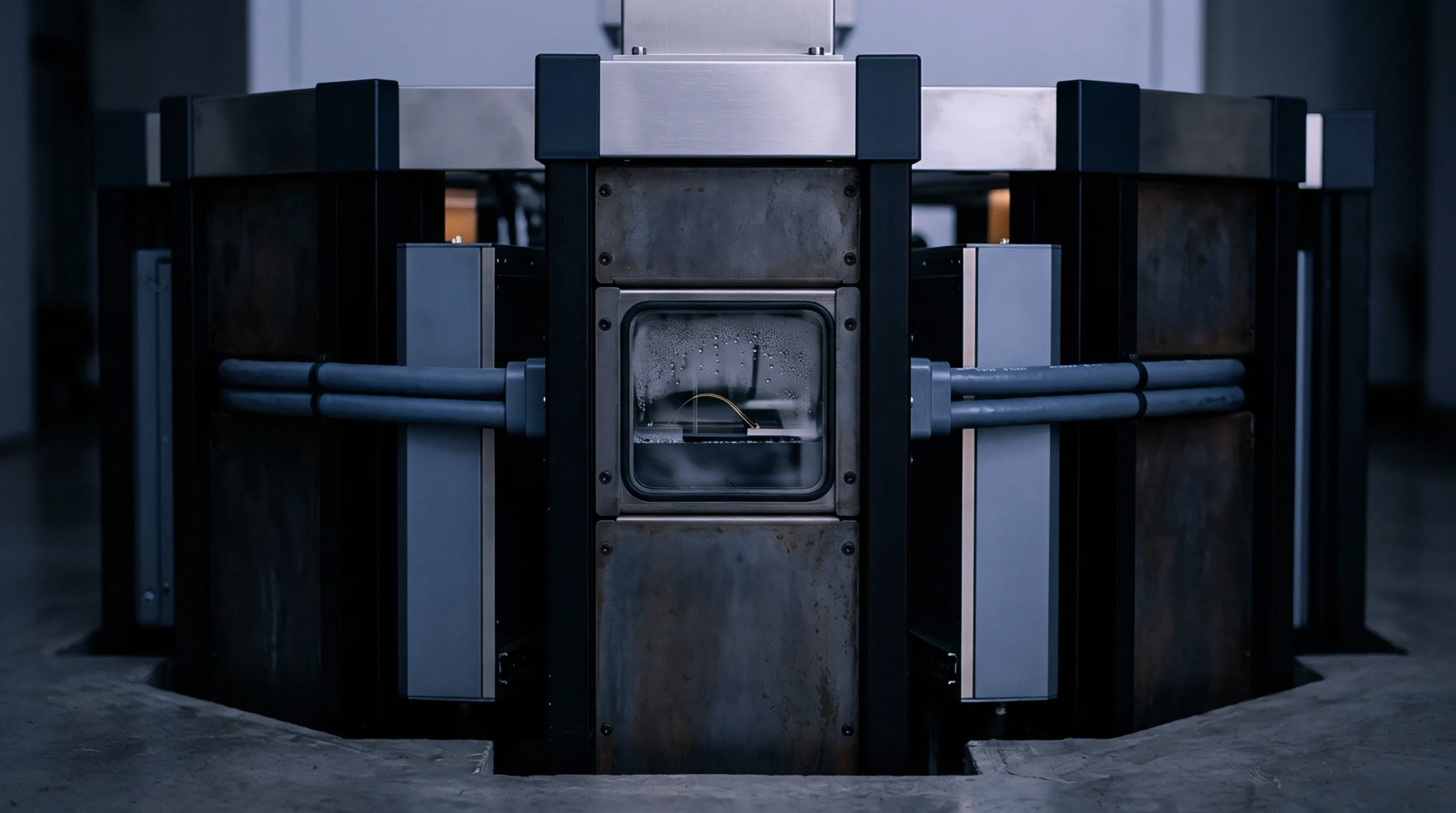
Evaluating phase response across temperature swings requires environmental chamber testing coupled to vector network analyzers using precision coaxial test fixtures. Stripline or microstrip resonators mounted inside thermal chambers measure insertion phase shifts as temperature steps across the nineteen-degree transition zone. Acceptance standards specify maximum allowable phase variation across the thermal operating window, ensuring military and telecommunications products maintain calibration.
IPC-TM-650 test methods provide standard procedures for tracking dielectric constant fluctuations as a function of temperature. Quality audits verify that substrate suppliers deliver ceramic-loaded grades when low phase drift is demanded on procurement documentation. Microsectioning of test panels subjected to thermal cycling checks for inner-layer barrel cracks or trace separation caused by anisotropic volume shifts.
Ensuring smooth phase trajectories preserves signal fidelity in high-performance microwave platforms without requiring active software calibration routines.