Pressing Profile
Controlled application of mechanical pressure, vacuum, and temperature over time cures thermosetting prepreg resins during multi-layer board fabrication. A lamination thermal cycle transforms separate core laminates and bonding plies into a solid, monolithic printed circuit panel. The cycle begins with an initial heating ramp that lowers resin viscosity, allowing liquid polymers to flow across copper foil treatments and fill trace voids.
Continued thermal input triggers cross-linking chemistry, causing polymer chains to form rigid, three-dimensional networks that establish physical integrity. Applied mechanical pressure consolidates composite layers and expels trapped air or volatile vapors into vacuum press chambers. Cooling segments follow controlled down-ramps to relieve internal thermal stresses before panels exit the press.
Precise thermal timing ensures that the cured composite achieves maximum glass transition temperature and optimal bond strength.
Curing Mechanics
Balancing heat rise rates against resin viscosity profiles prevents common lamination defects such as resin starvation or incomplete consolidation. Heating too rapidly causes resin to liquefy and escape before core surfaces are properly wetted, leaving dry weave areas and voids. Heating too slowly risks premature polymer gelation, freezing the resin before it fully encapsulates heavy copper planes.
Hydraulic or electromechanical press platens supply mechanical force, maintaining pressure profiles tailored to specific resin rheology curves. Complex resin formulations incorporating polyimide, high-temperature epoxy, or polytetrafluoroethylene require unique dwell temperatures and soak times to achieve full polymer cure. Thermal sensors embedded inside sacrificial dummy panels monitor actual temperature curves across the press book to detect uneven heating.
Uneven temperature distribution creates localized curing gradients, causing panel warping, bow, and twist during subsequent soldering processes. Controlled cool-down phases reduce residual mechanical stresses that could otherwise cause layer delamination under assembly reflow conditions.
Cure Verification
Evaluating lamination efficacy requires differential scanning calorimetry to measure residual exothermic activity, confirming that resin achieves complete polymerization. A high cure percentage indicates that the laminate reached its intended glass transition temperature without premature cycle termination. Standard quality audits follow IPC-TM-650 testing procedures to verify interlaminar bond strength through peel tests and thermal stress solder-float assessments.
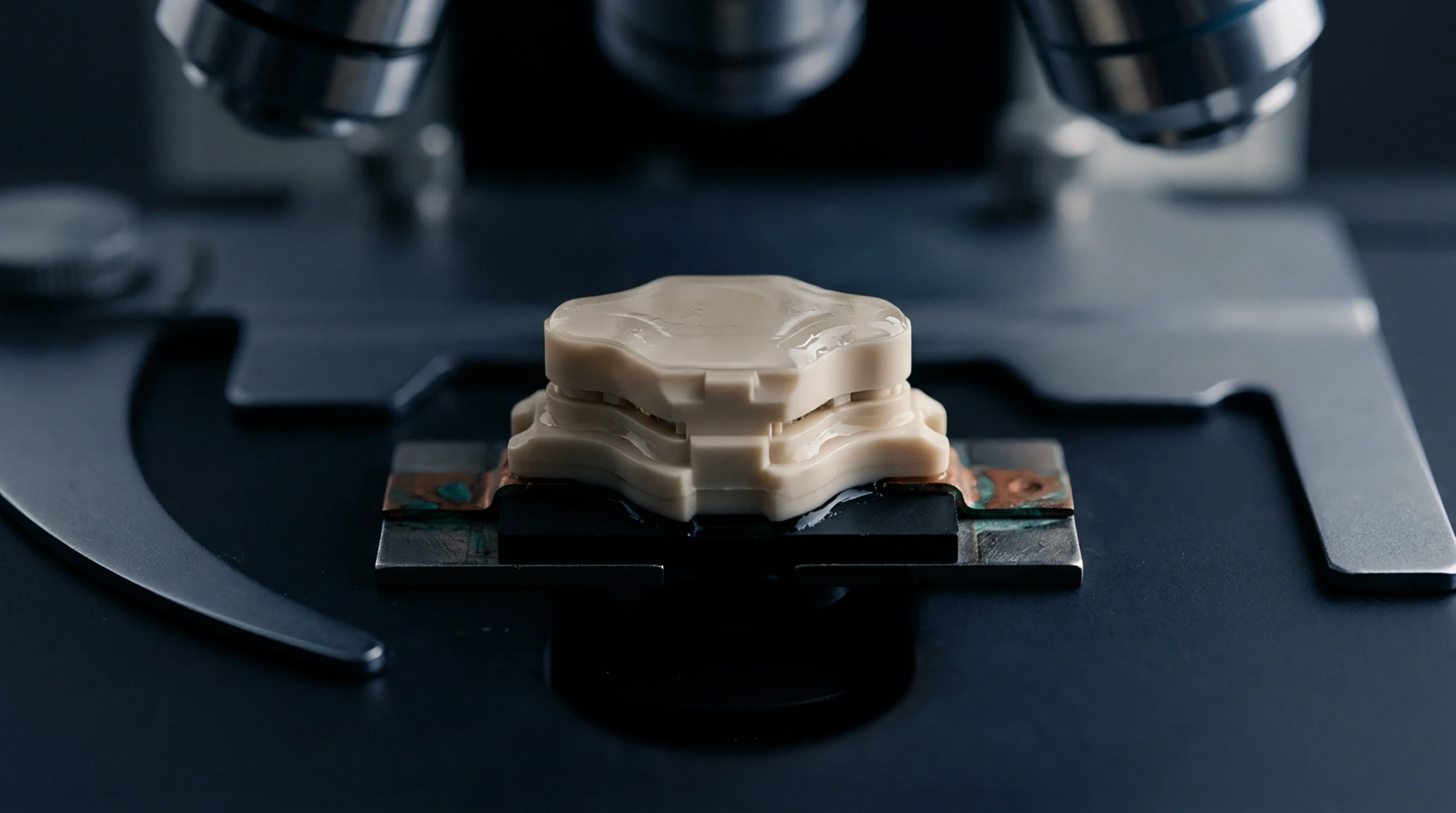
Metallographic cross-sections inspect internal conductor encapsulation, checking for resin voids, crazing, or layer displacement along inner boundaries. Delamination after exposure to molten solder at two hundred eighty-eight degrees Celsius indicates inadequate chemical bonding or trapped moisture. Solder-float testing confirms that panels survive standard automated assembly temperatures without blistering.
Dimensional stability measurements verify that panels contracted predictably without layer shifting, preserving through-hole registration accuracy for subsequent drilling stages. Consistent curing parameters ensure stable dielectric performance and mechanical durability throughout the operational life of the board.