Dielectric Classification
Specialized category of substrate material is engineered to minimize the absorption of electromagnetic energy at high signal frequencies. An ultra low loss laminate typically features a dissipation factor below zero point zero zero two. These materials allow designers to build longer transmission lines without losing signal strength to heat.
They are common in applications involving twenty five gigabit per second data rates or higher.
Resin Chemistry
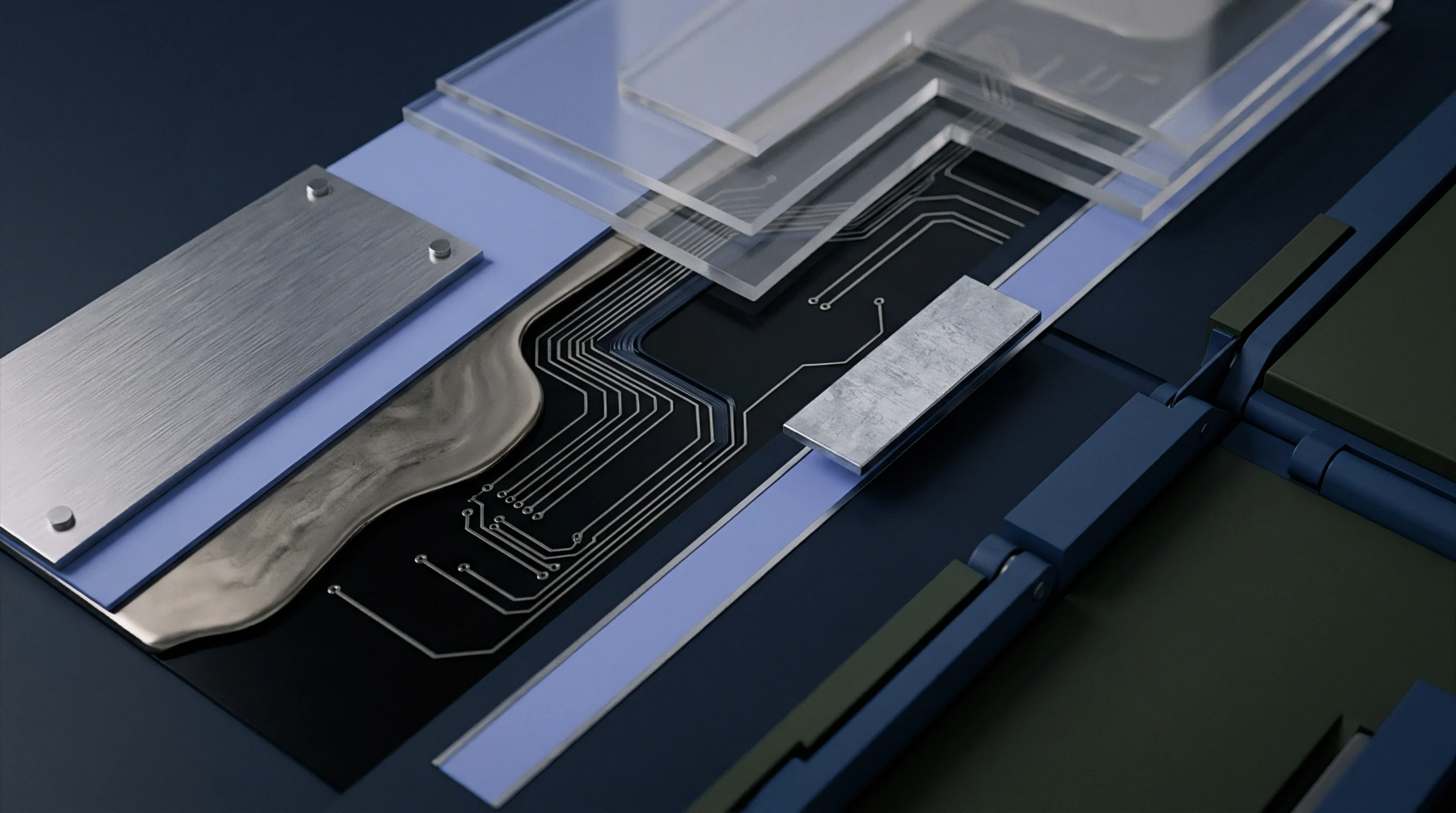
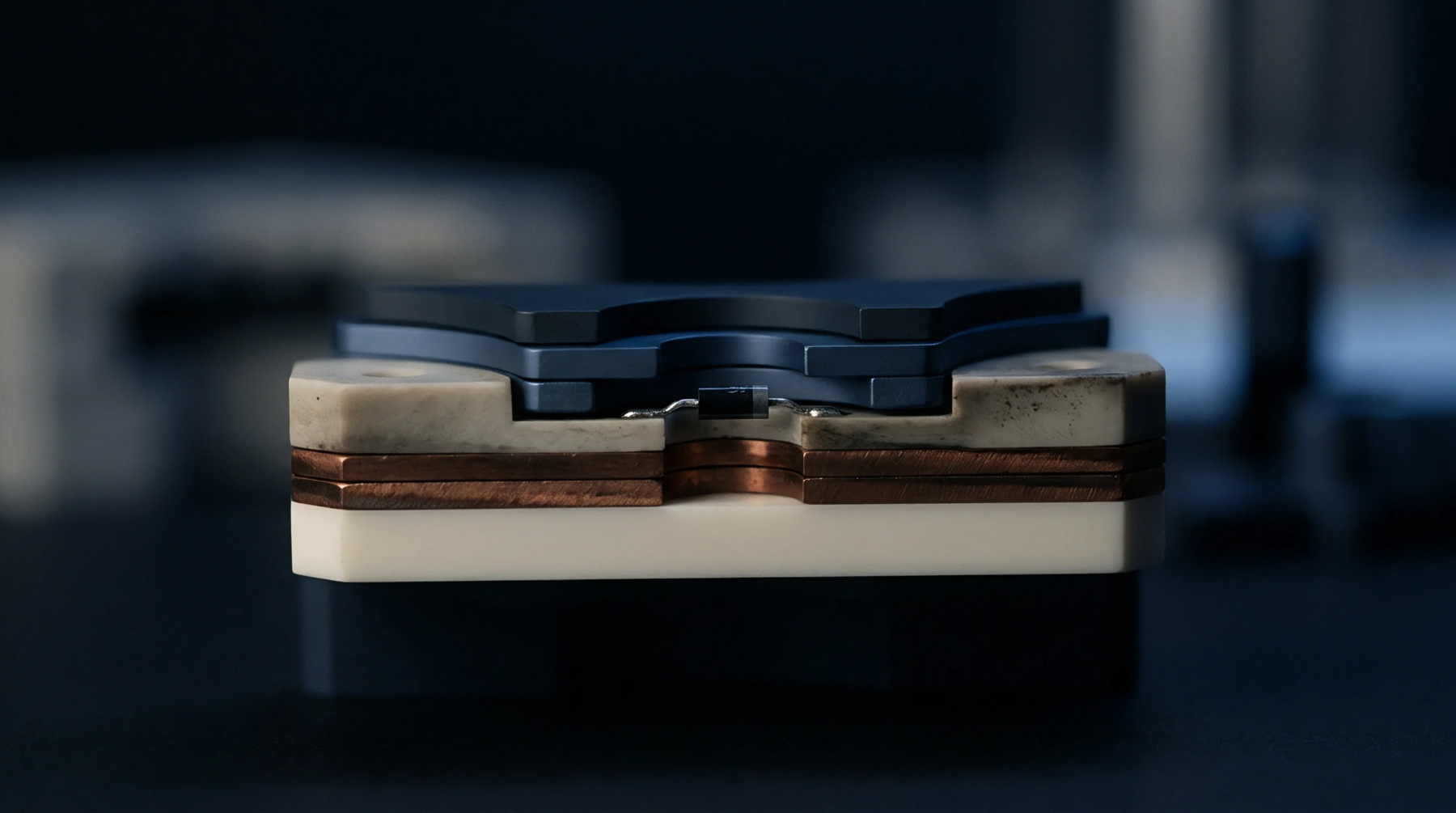
High performance laminates achieve their properties through the use of advanced resin systems such as polyphenylene ether or fluoropolymers. These resins are often paired with low profile copper and specialized glass fabrics to further reduce losses. Standard epoxy based systems cannot reach the performance levels of an ultra low loss laminate because their molecular structure is more prone to dielectric heating.
Manufacturers must use precise curing cycles to maintain the consistency of these materials across large production batches. This complexity leads to a higher cost compared to traditional materials.
Signal Integrity
Attenuation in a circuit board comes from both the conductor and the dielectric. Using an ultra low loss laminate reduces the dielectric component of this loss, which becomes the dominant factor as frequencies increase. This choice is critical for maintaining the eye diagram opening in high speed digital designs.