
Silica Filled Resin Viscosity Minimization during High Pressure Lamination Ramps
Silica-filled resin viscosity minimization requires synchronizing heating ramps with press pressure timing to ensure complete void encapsulation without core shift.
Silica-filled resin viscosity minimization requires synchronizing heating ramps with press pressure timing to ensure complete void encapsulation without core shift.

Pairing mid-loss resins with HVLP copper cuts high-frequency trace attenuation by up to 38 percent without forcing transitions to expensive ultra-low-loss substrates.
Lead-free reflow shifts substrate permittivity by altering free volume and desorbing moisture, changing line impedance by up to 2.5 ohms on high-speed traces.
Unbalanced inner-layer copper density drives uneven resin flow during lamination, thinning dielectric over dense areas and altering impedance tolerances.
Residual via stubs and connector discontinuities cause reflections and loss deviations that exhaust receiver DFE taps and collapse PCIe link margins.

Trapezoidal etch profiles and sidewall undercut degrade high-frequency channel return loss by introducing spatial impedance steps that demand mSAP or dynamic CAM compensation.
Predict anisotropic deformation in sequential lamination by coupling layer-specific thermal expansion tensors with non-linear viscoelastic resin cure shrinkage.
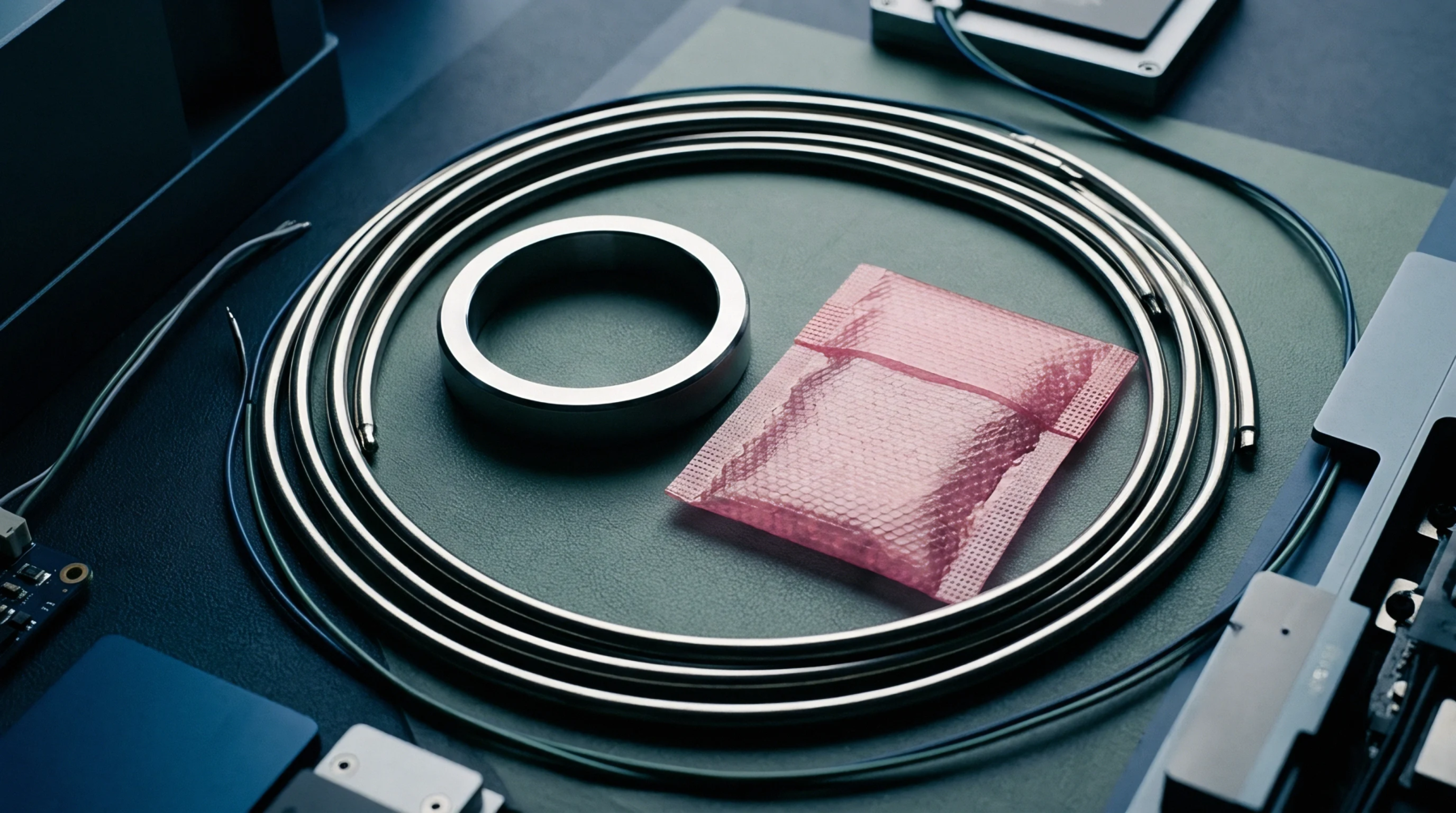
Thermal expansion alters resin density, driving dynamic anisotropy shifts that detune millimeter-wave phase stability and coupling tolerances across temperature.
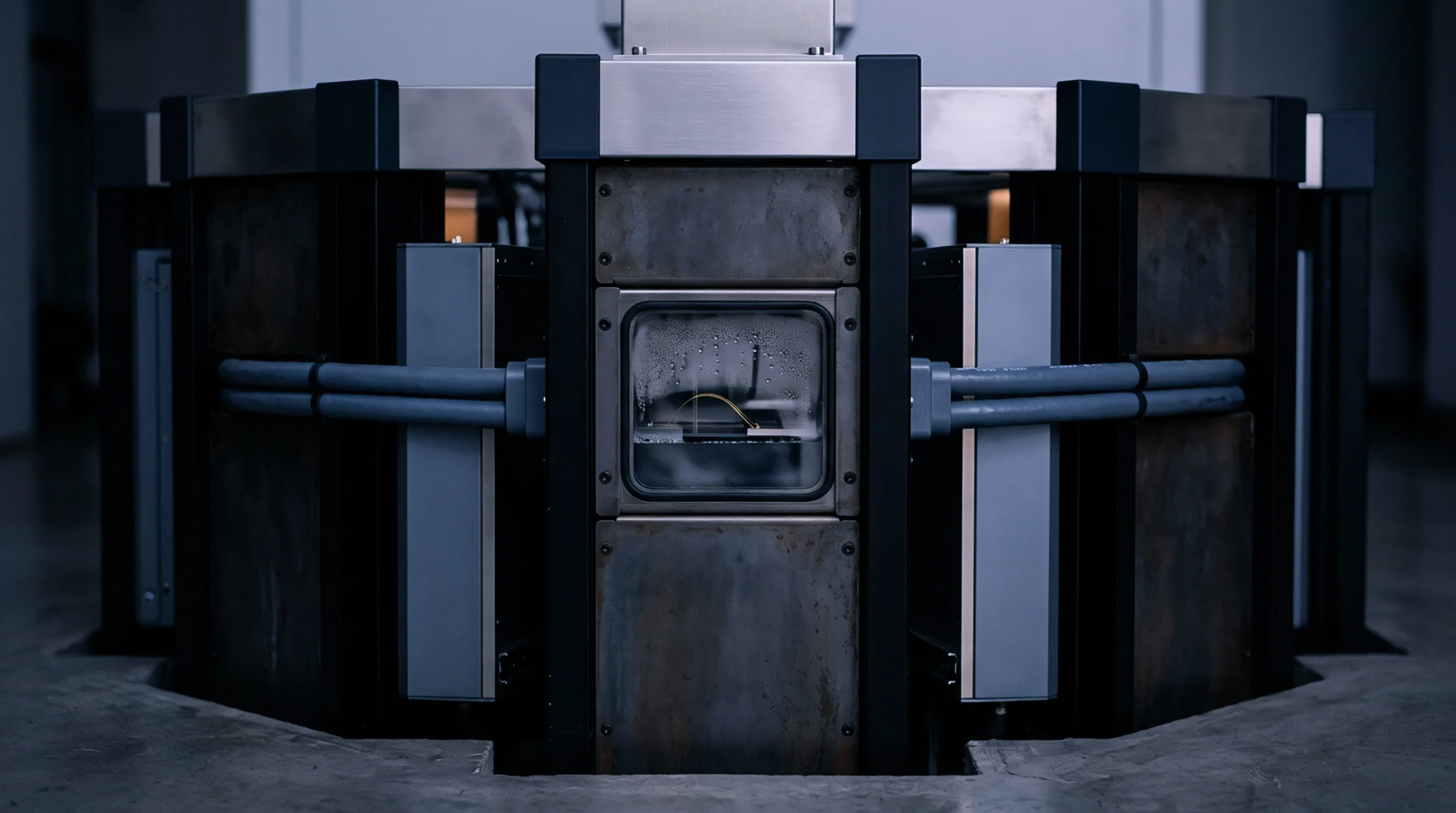
Acoustic microscopy detects sub-micron HDI substrate delamination using phase-inversion gating at frequencies between 100 MHz and 300 MHz.
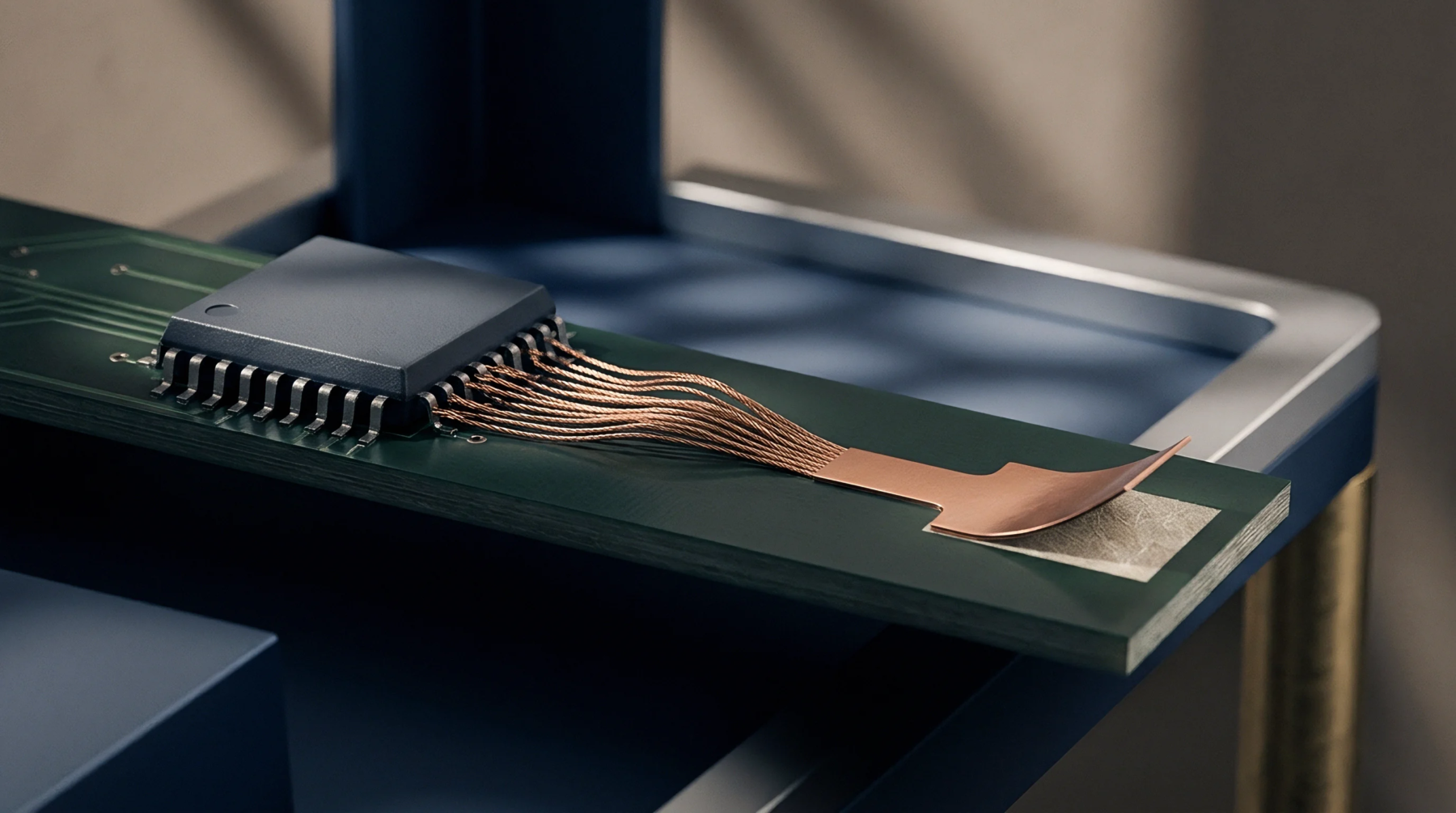
Balanced inner layer copper thieving mitigates thermal lamination shift by equalizing dynamic resin flow pressures and mechanical strains during press cycles.
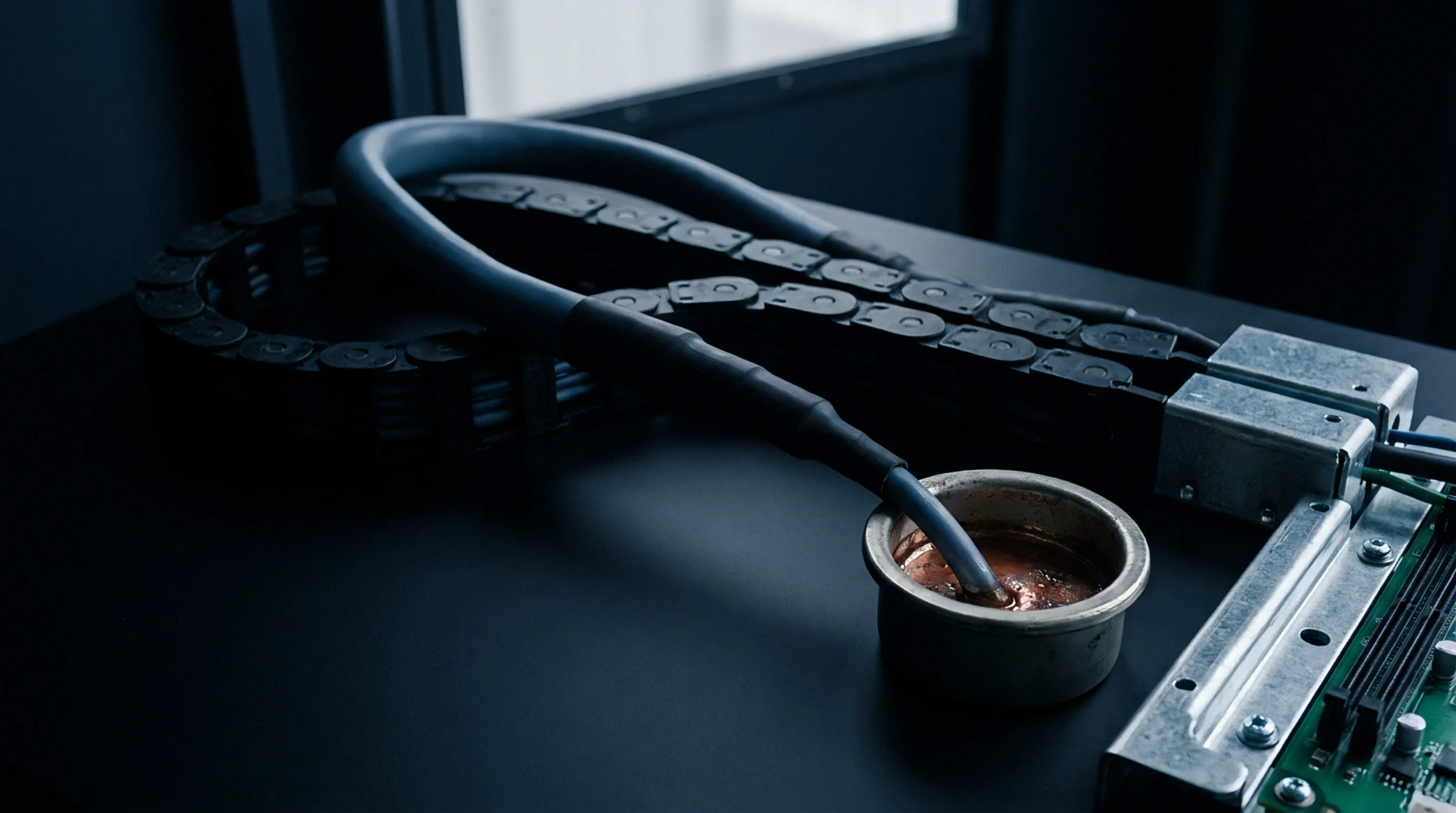
Optimize hybrid PCB fabrication by matching laminate cure kinetics, deploying plasma desmear for mixed resins, and applying layer-specific scaling factors.
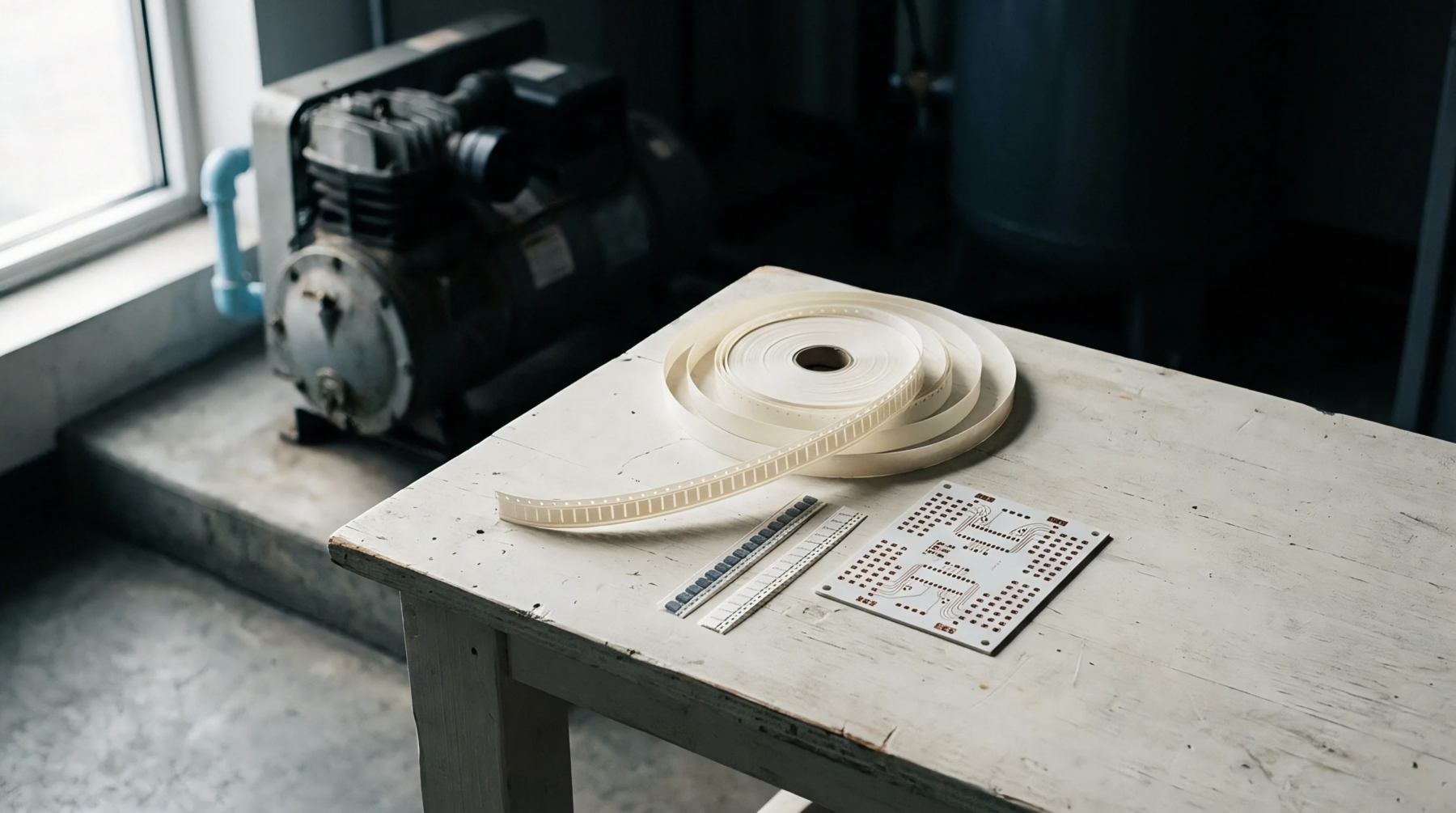
Continuous high-speed Kelvin monitoring during rapid thermal cycling isolates latent target pad separations that re-nest and pass static ambient tests.
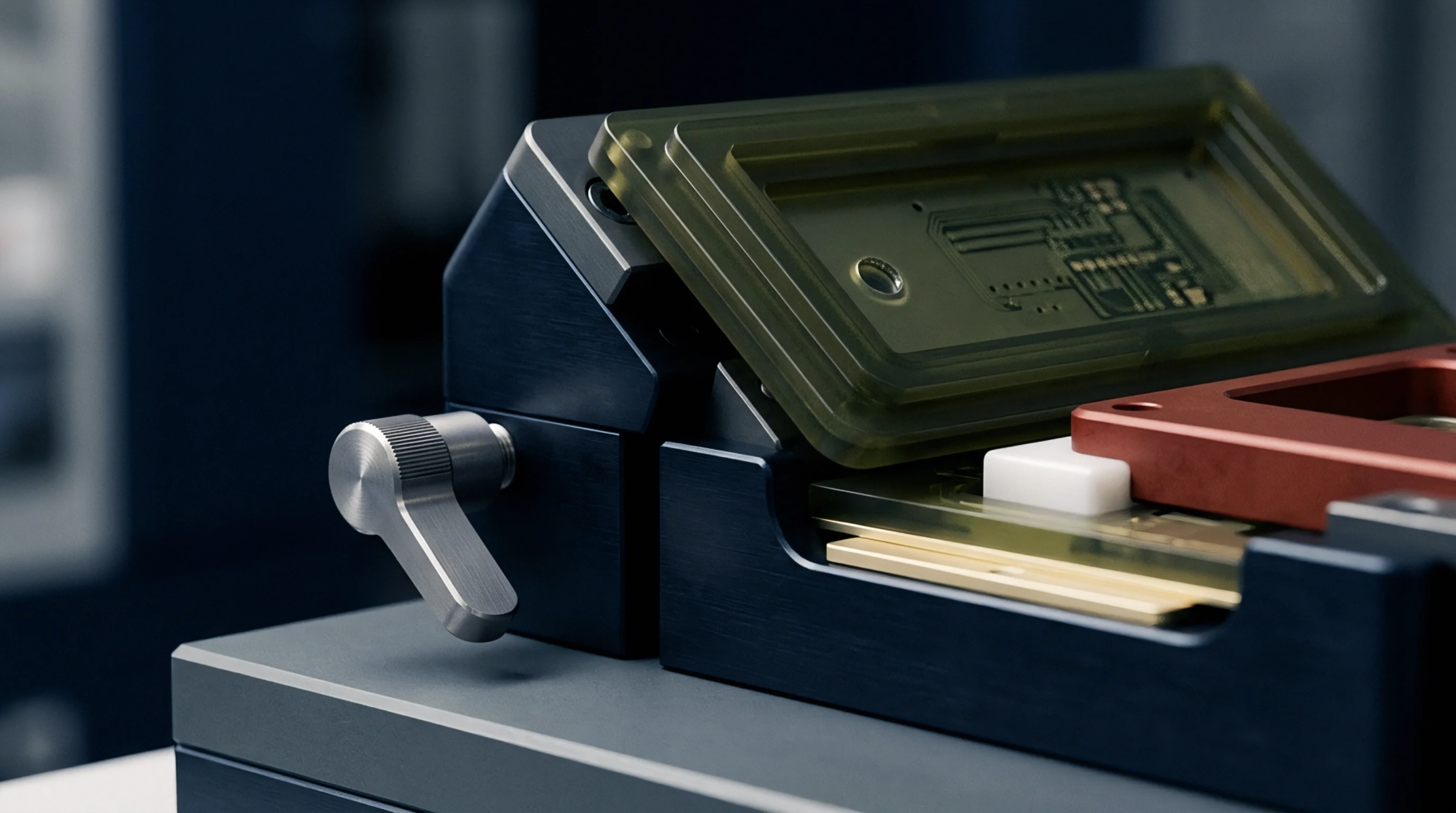
Hydrophobic organosilane surface treatments on low-loss microwave substrates suppress moisture-induced Df drift and enable ultra-smooth copper foils.
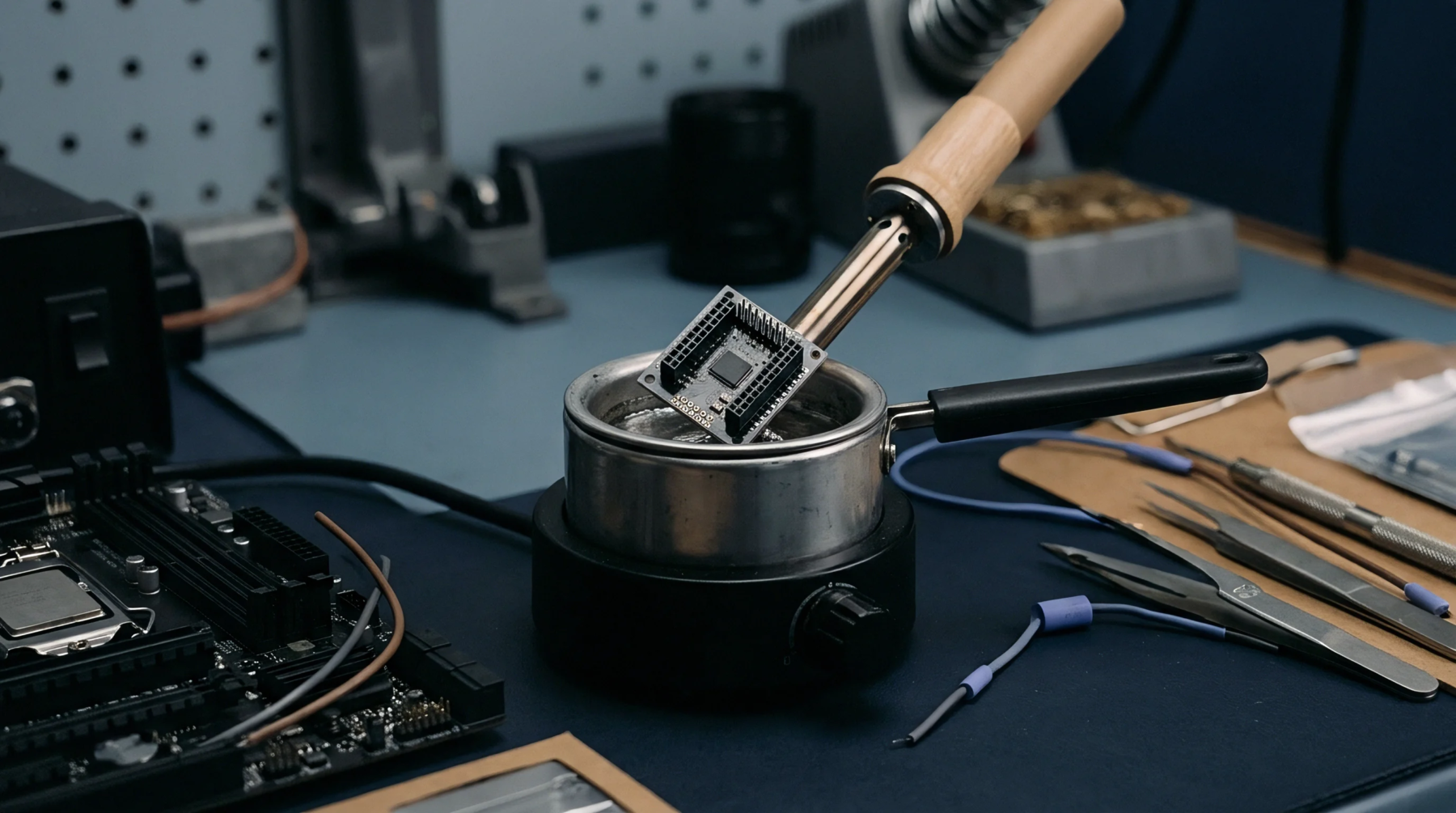
Dynamic resin squeeze flow across ultra smooth copper foils demands precise thermal press ramping to prevent micro-voiding and hold tightly controlled plane spacing.
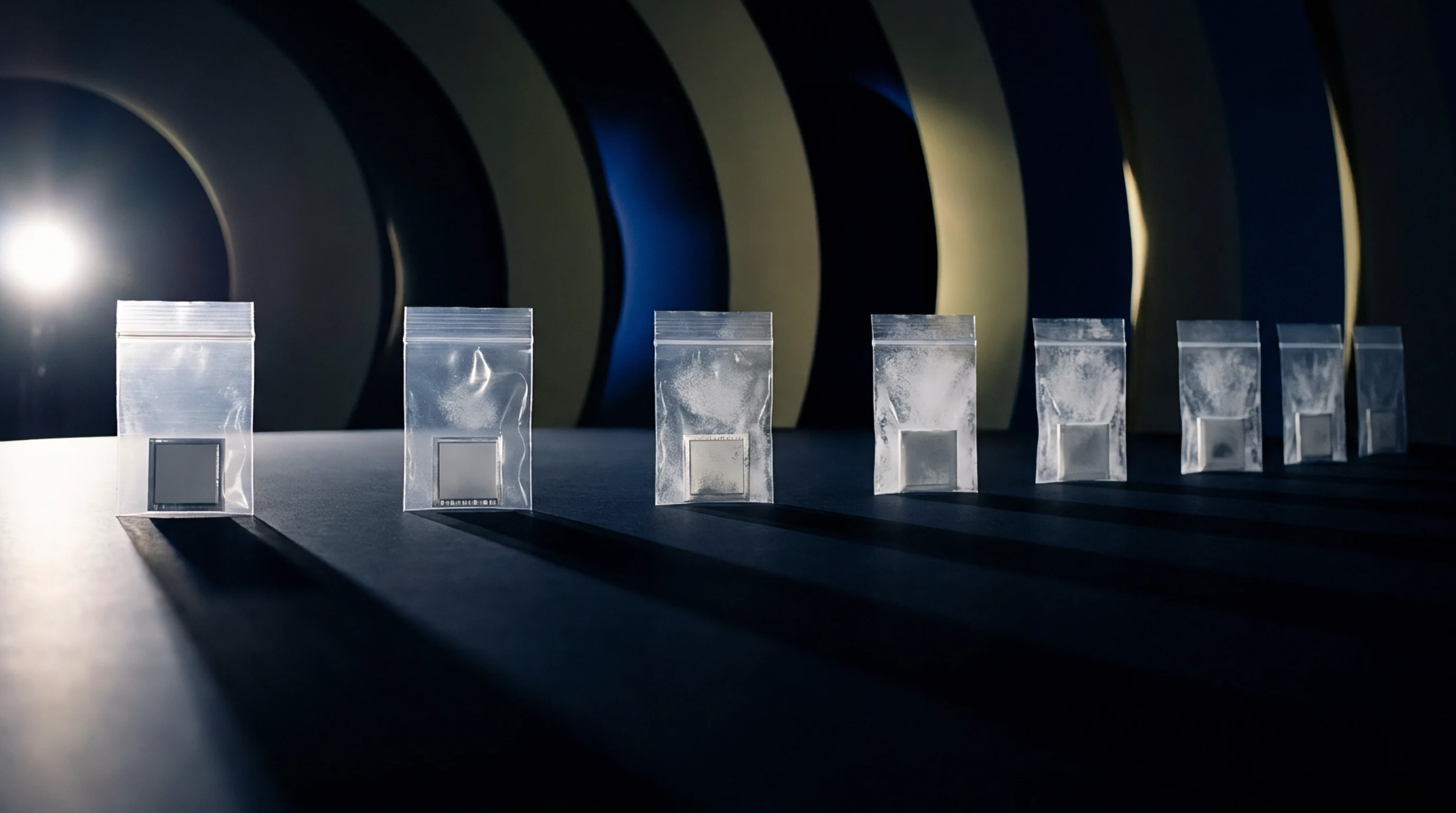
Dynamic top-to-bottom spray pressure balancing and zonal CAM compensation eliminate conveyor puddle variations to hold tight high-frequency trace impedance.
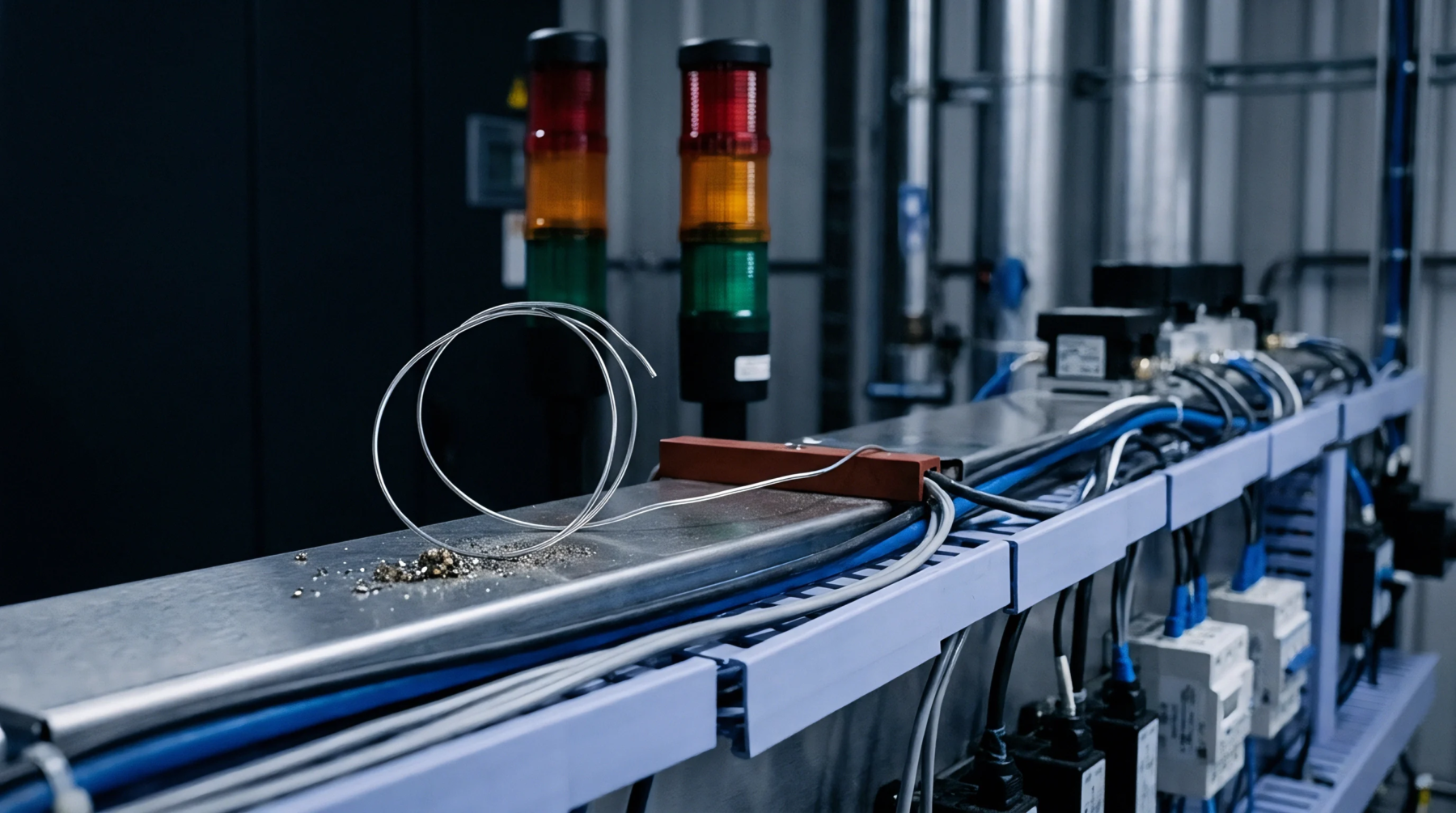
Return path inductance across microvia fields drops when ground vias sit within two pitch distances of signal transitions, stabilizing loop impedance up to 50 GHz.

Stackup thickness control requires calculating pressed prepreg heights over local copper patterns to hold impedance and microvia drilling tolerances.
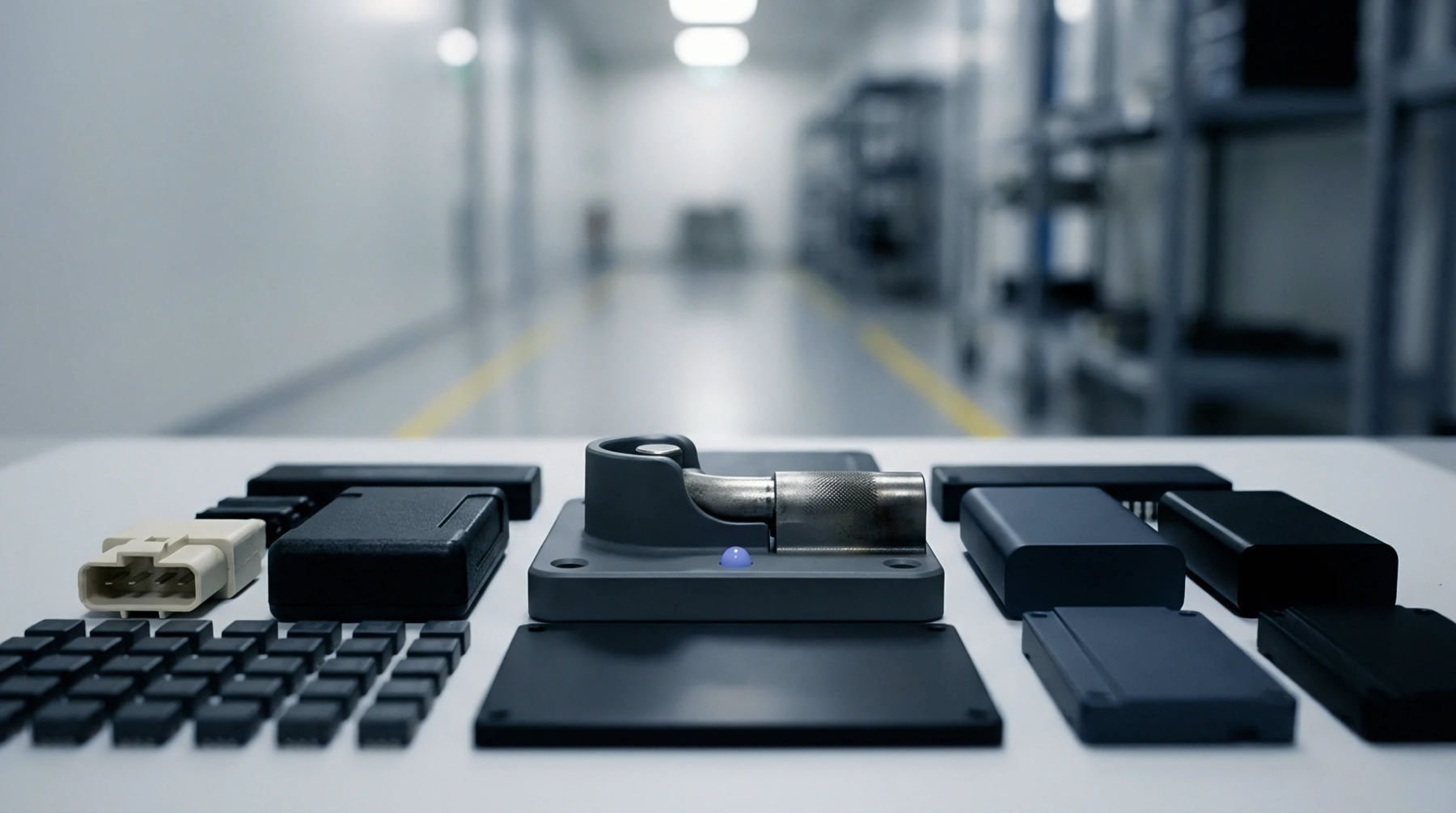
Selecting dielectric substrates requires balancing dissipation factor, glass weave uniformity, foil roughness, and panel yields to meet high-speed impedance targets.

Sub-50 micron trace etching demands mSAP seed layers, anisotropic chemistry passivators, and dynamic laser imaging scaling to hold 3.5+ etch factors and pass IPC Class 3 yield limits.

High shear rate squeeze flow during multi-stage lamination induces non-Newtonian thinning in ultra-thin prepregs, requiring precise pressure step timing to prevent microvia voiding and trace displacement.
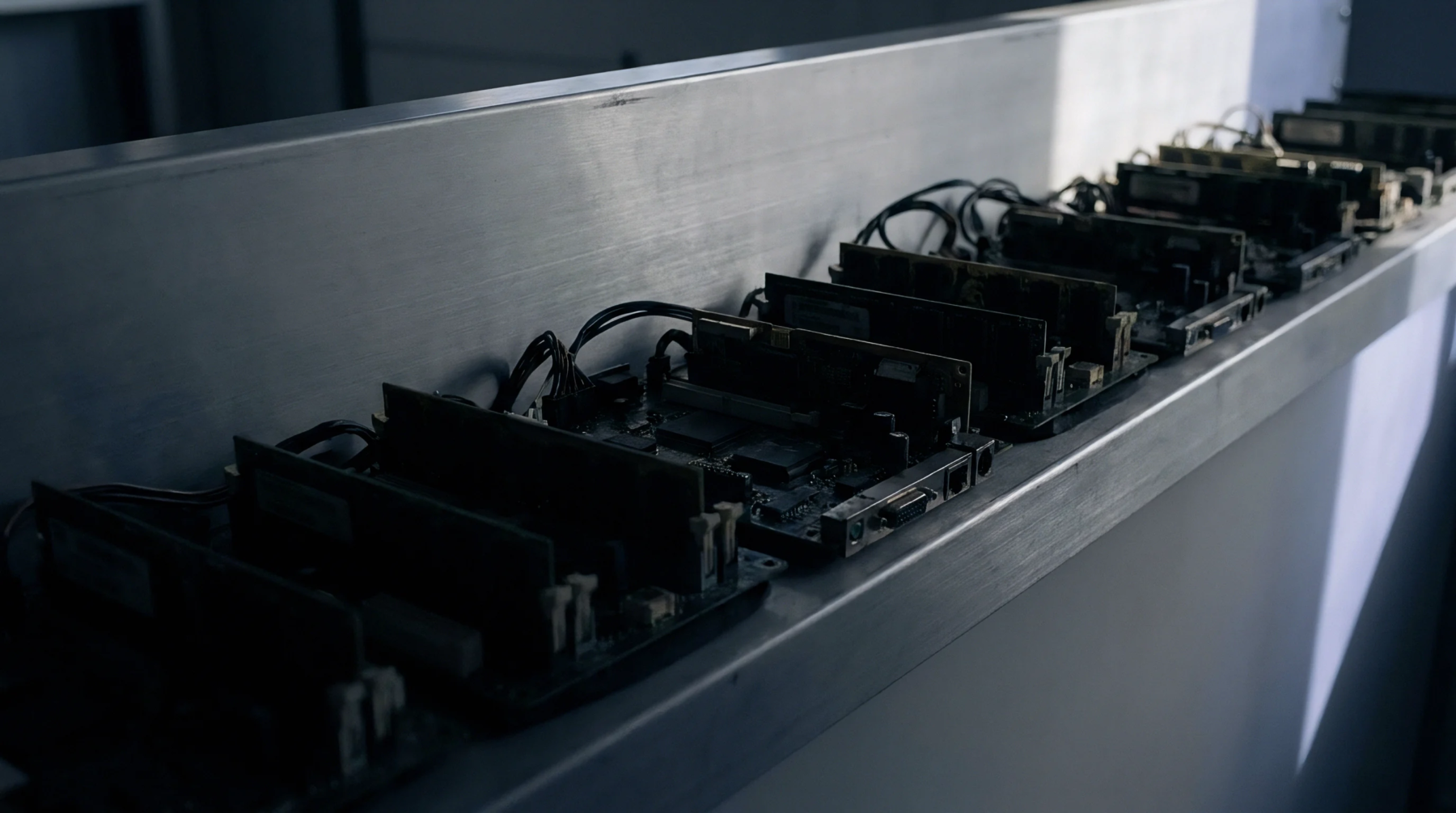
Selecting spread glass fabric styles with tight yarn pitch eliminates differential skew and preserves PAM4 channel margins without complex trace routing.
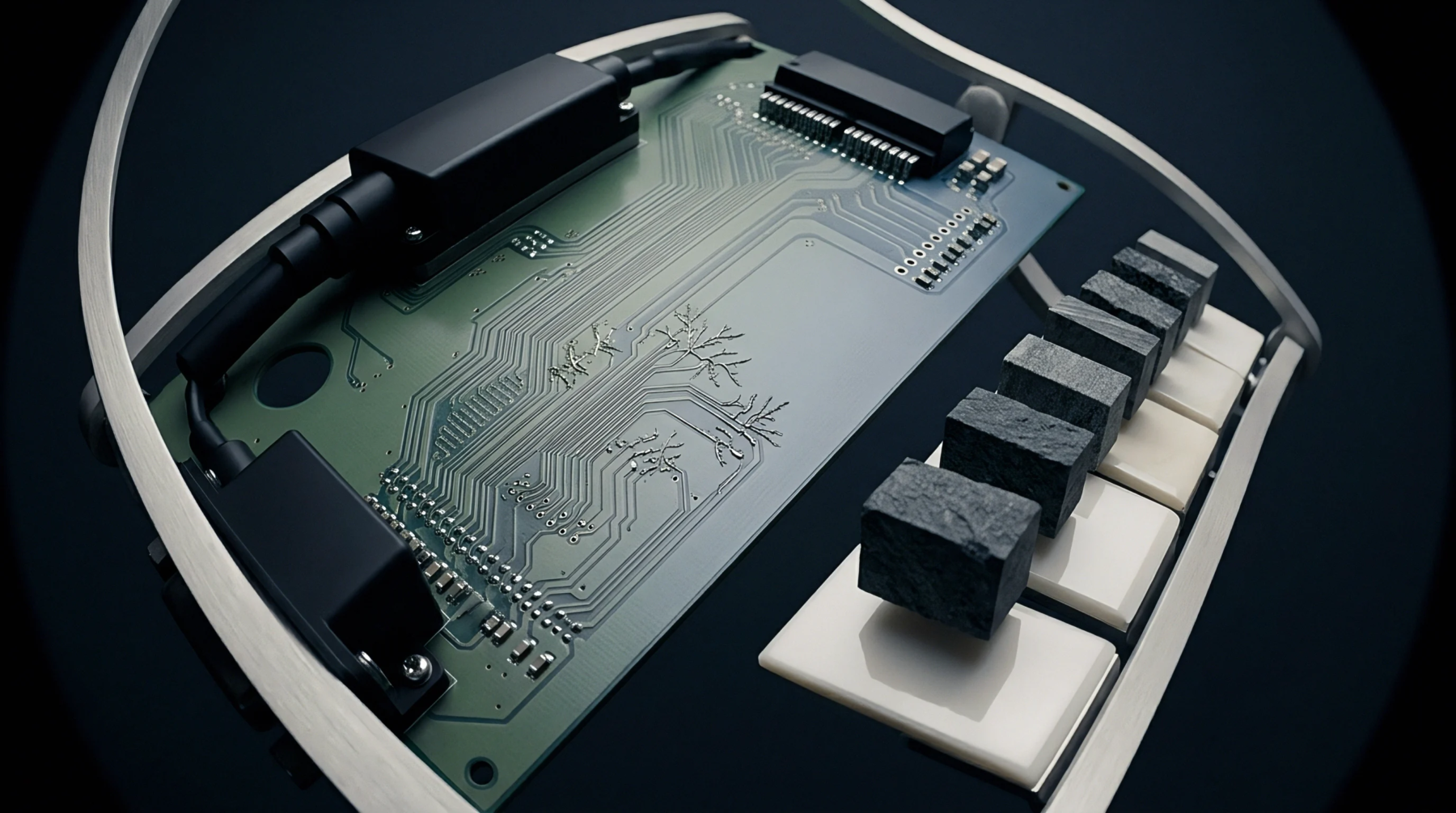
Out-of-plane permittivity in glass-reinforced multilayer stackups runs lower than datasheet figures, requiring Z-axis test methods to hold impedance.
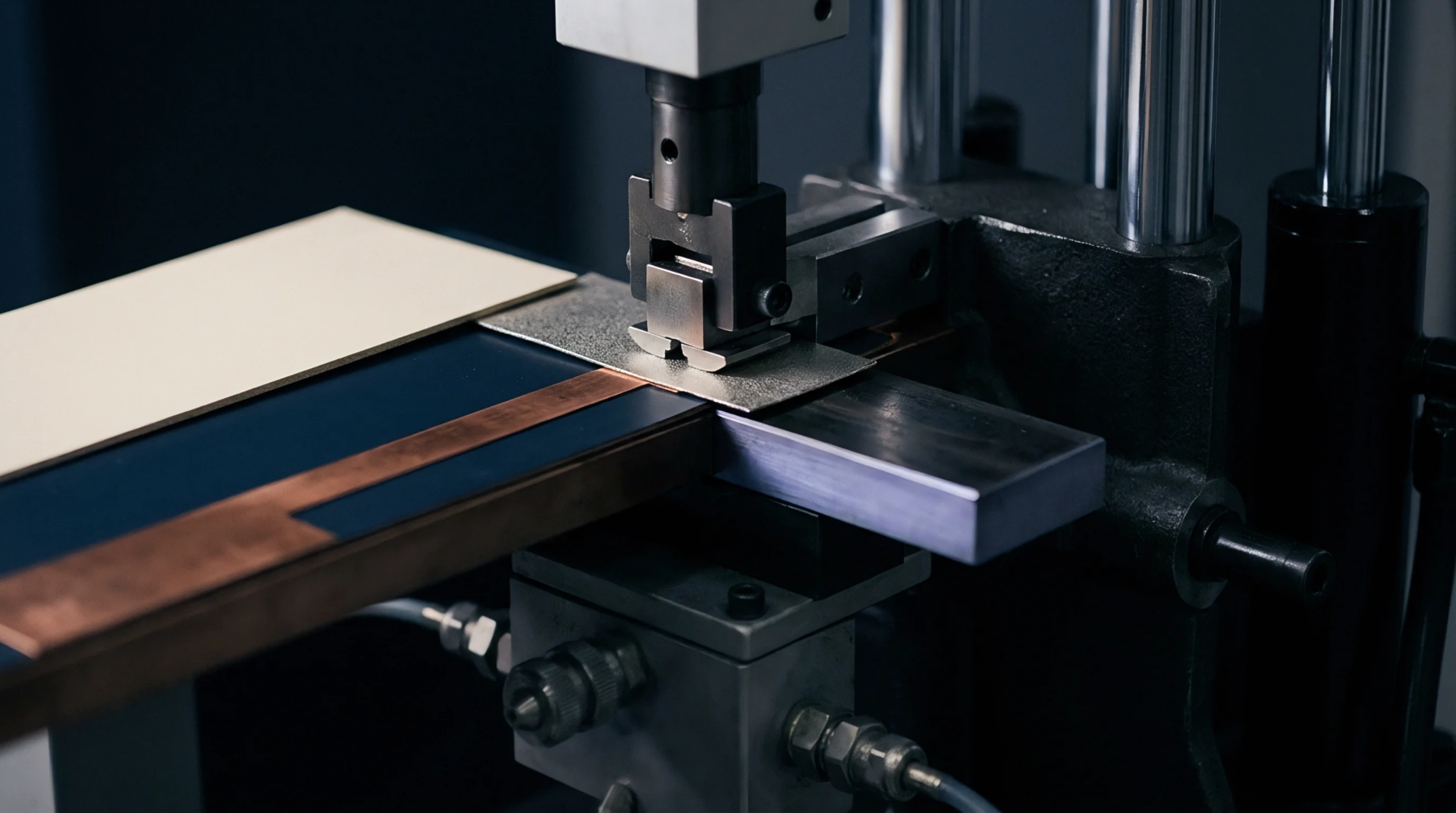
Controlling master panel resin flow gradients stabilizes dielectric tensor anisotropy and prevents high-frequency parametric yield collapse.
Prevent inner layer trace swim by maintaining conductor aspect ratios below zero point five zero and pairing heavy copper with high glass fill prepregs.
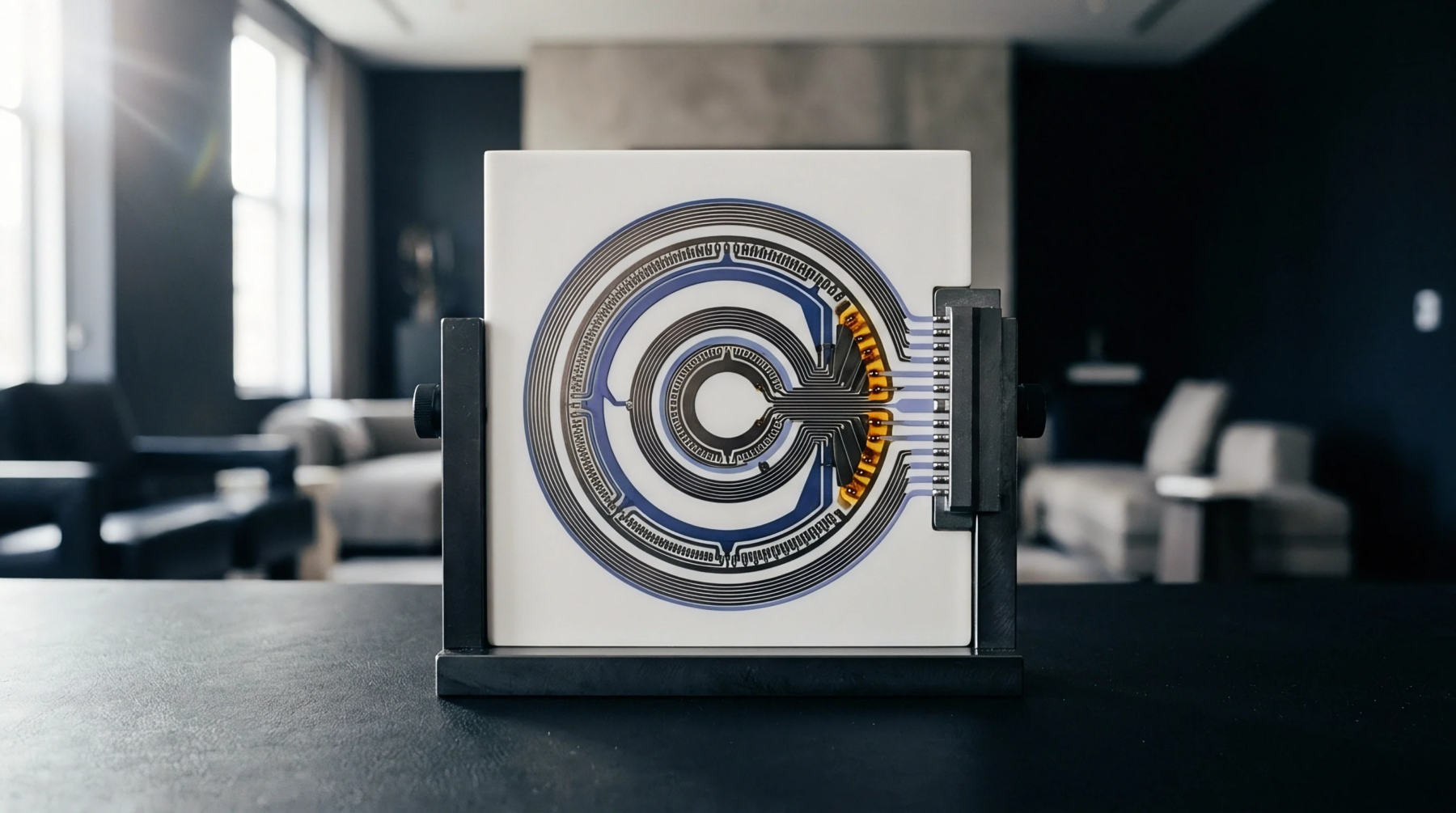
Optimizing hybrid board fabrication requires balancing thermal ramp rates, dual-gas plasma desmear, and pinless registration to eliminate delamination.
Modelling slip velocity and pressure gradients across smooth copper foils prevents resin starvation and locks dielectric thickness tolerances during lamination.
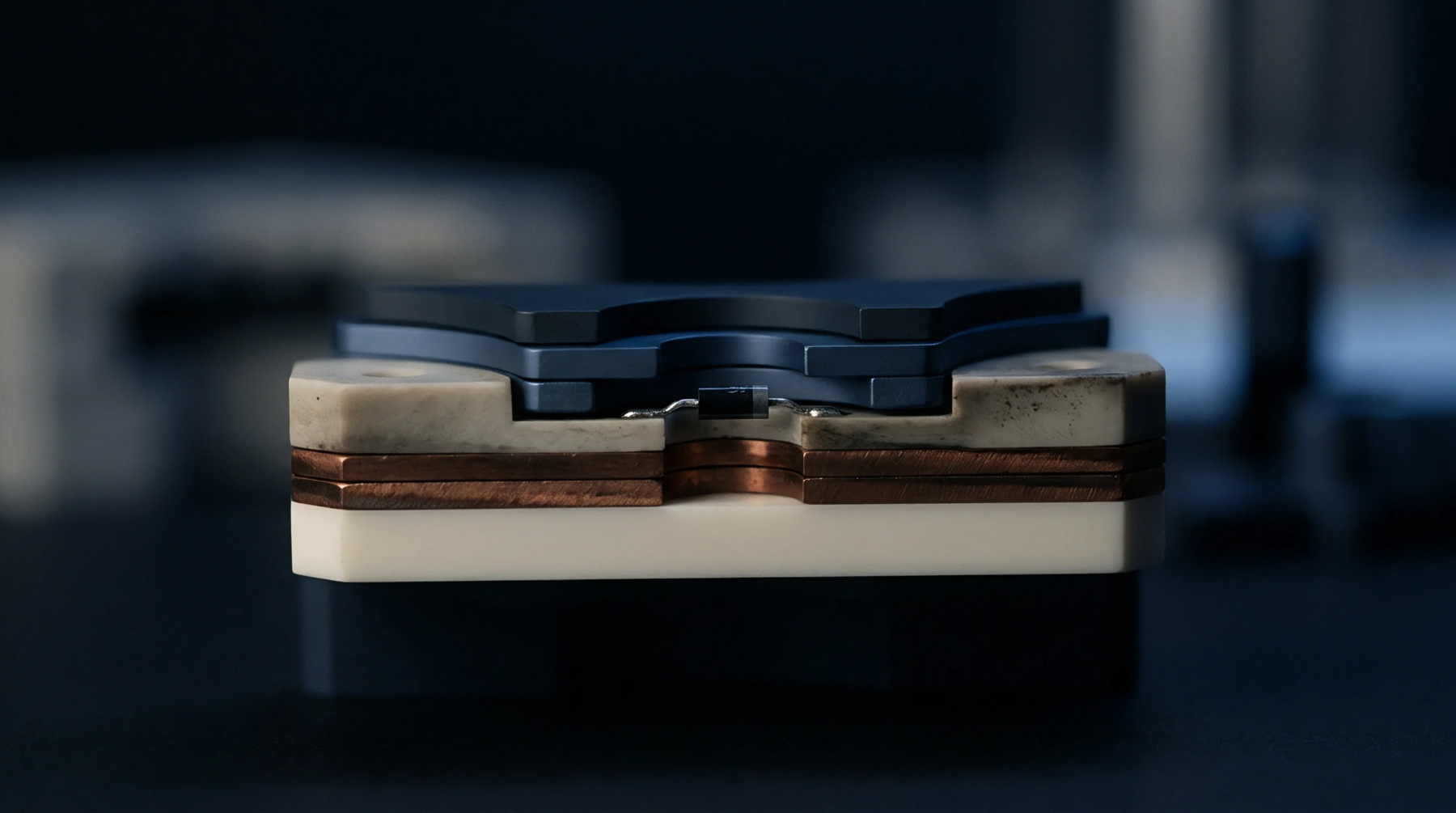
Substrate dielectric drift alters high-frequency signal phase velocity and impedance under thermal stress, requiring flat TCDk resin selection to hold timing margins.
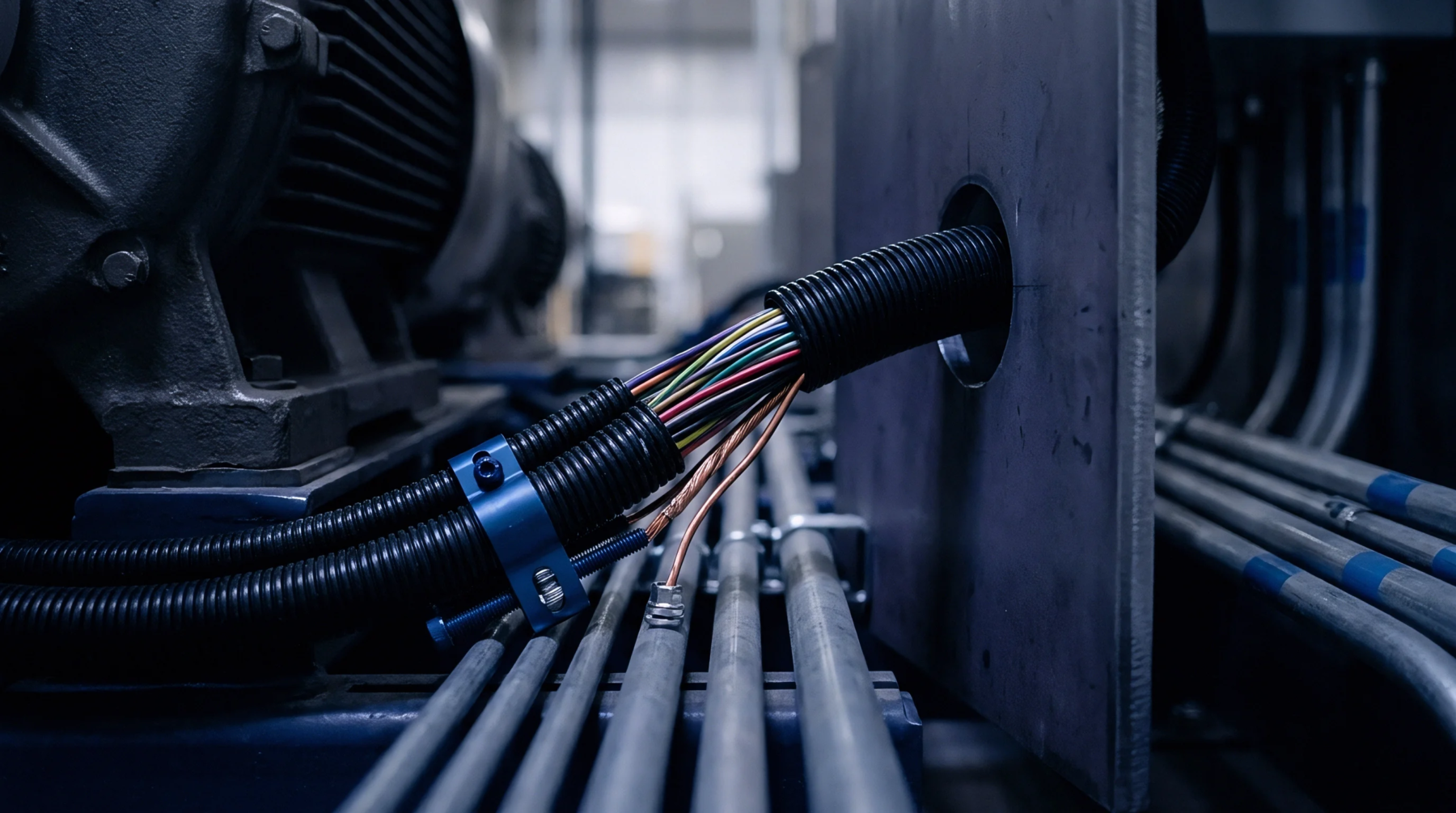
Anisotropic permittivity variations in glass filament bundles under thermal cycling and moisture exposure are driven by silane interphase degradation, requiring spread-glass weaves and dynamic tensor modeling to prevent high-speed differential skew.

Spread glass prepregs suppress localized permittivity fluctuations on surface microstrips, cutting intra-pair differential phase skew below 1 ps/100mm.
Perimeter test coupons provide non-destructive evidence of bare-board plating integrity and controlled impedance, requiring spatial correlation offsets to match internal circuit realities.
Expertise is a utility, not a secret. sentiention™ publishes its working knowledge as open reference: intelligence layer covering the materials it sources, the markets it enters, and the reference that serves both.