
Direct Imaging Registration Accuracy Limits across Multi-Layer Thin-Core High-Density Interconnect Laminates
Dynamic zone direct imaging compensates for anisotropic thin-core shrinkage, keeping microvia misregistration within sub-15 micron limits.
Dynamic zone direct imaging compensates for anisotropic thin-core shrinkage, keeping microvia misregistration within sub-15 micron limits.
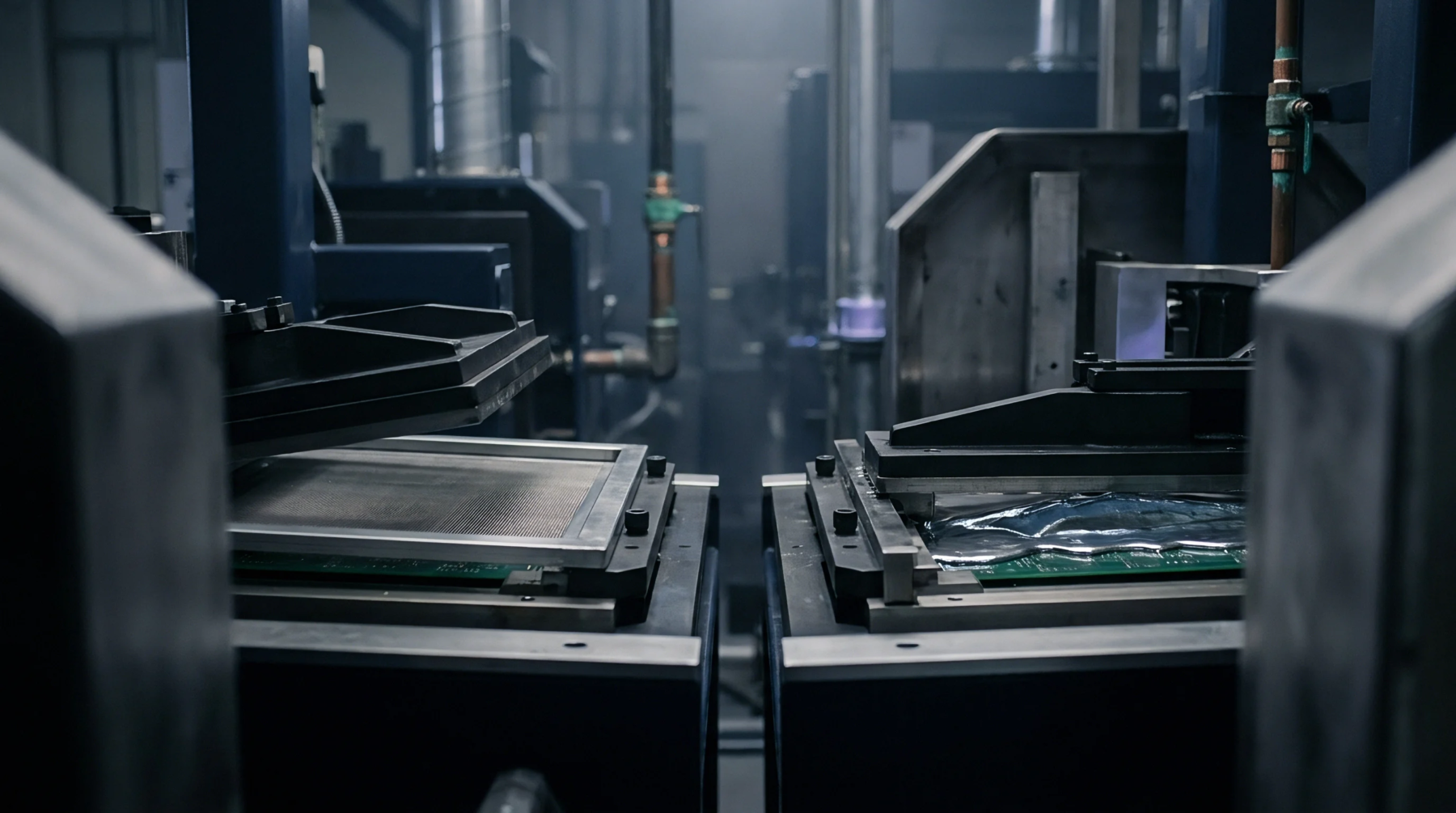
Screening latent microvia and fine pitch HDI assembly defects combines thermal shock cycling with continuous surface insulation resistance measurement.
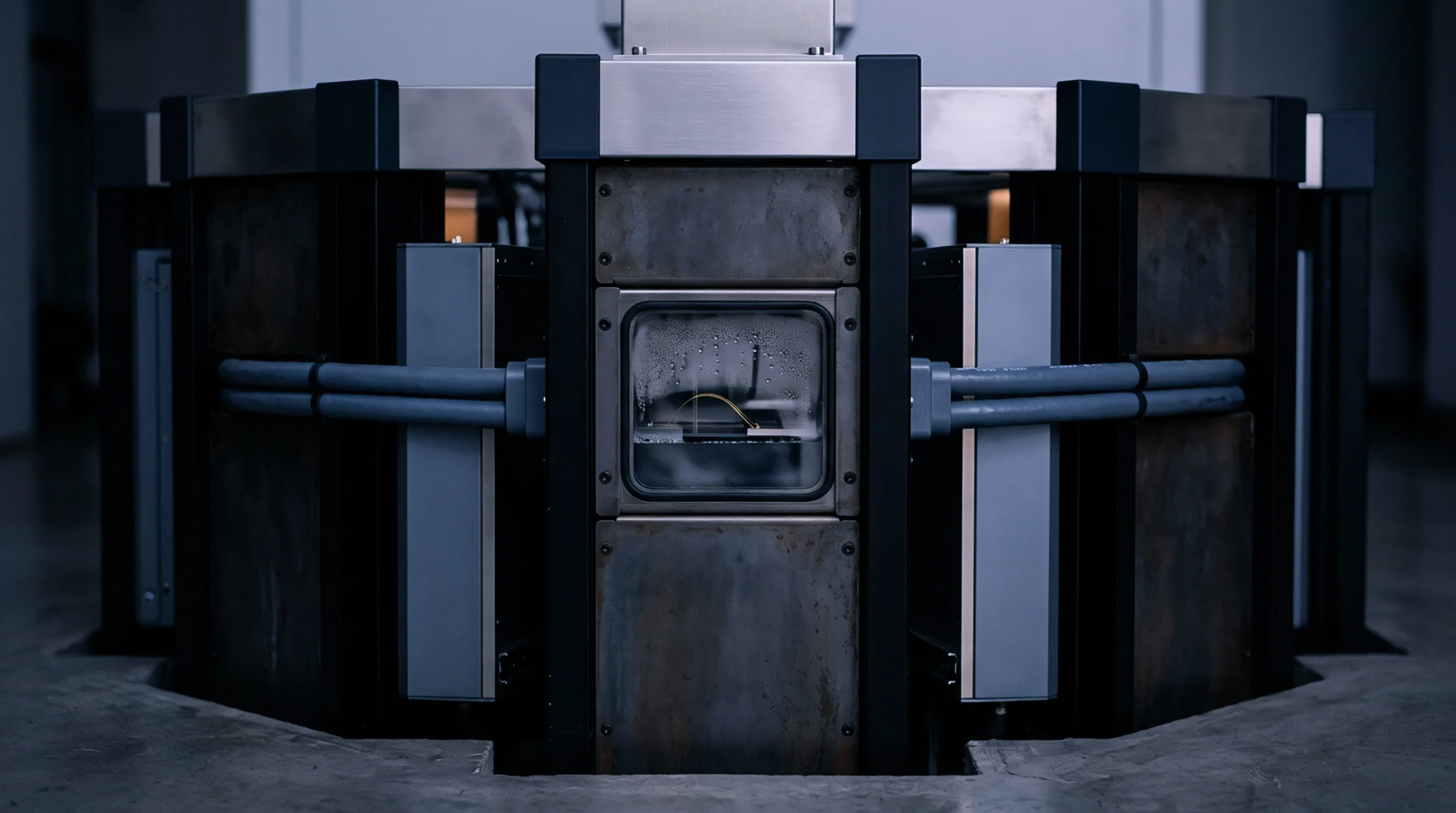
Non-isothermal squeeze flow and anisotropic permeability dictate prepreg filling, requiring precise press ramps to prevent dielectric micro-voiding.
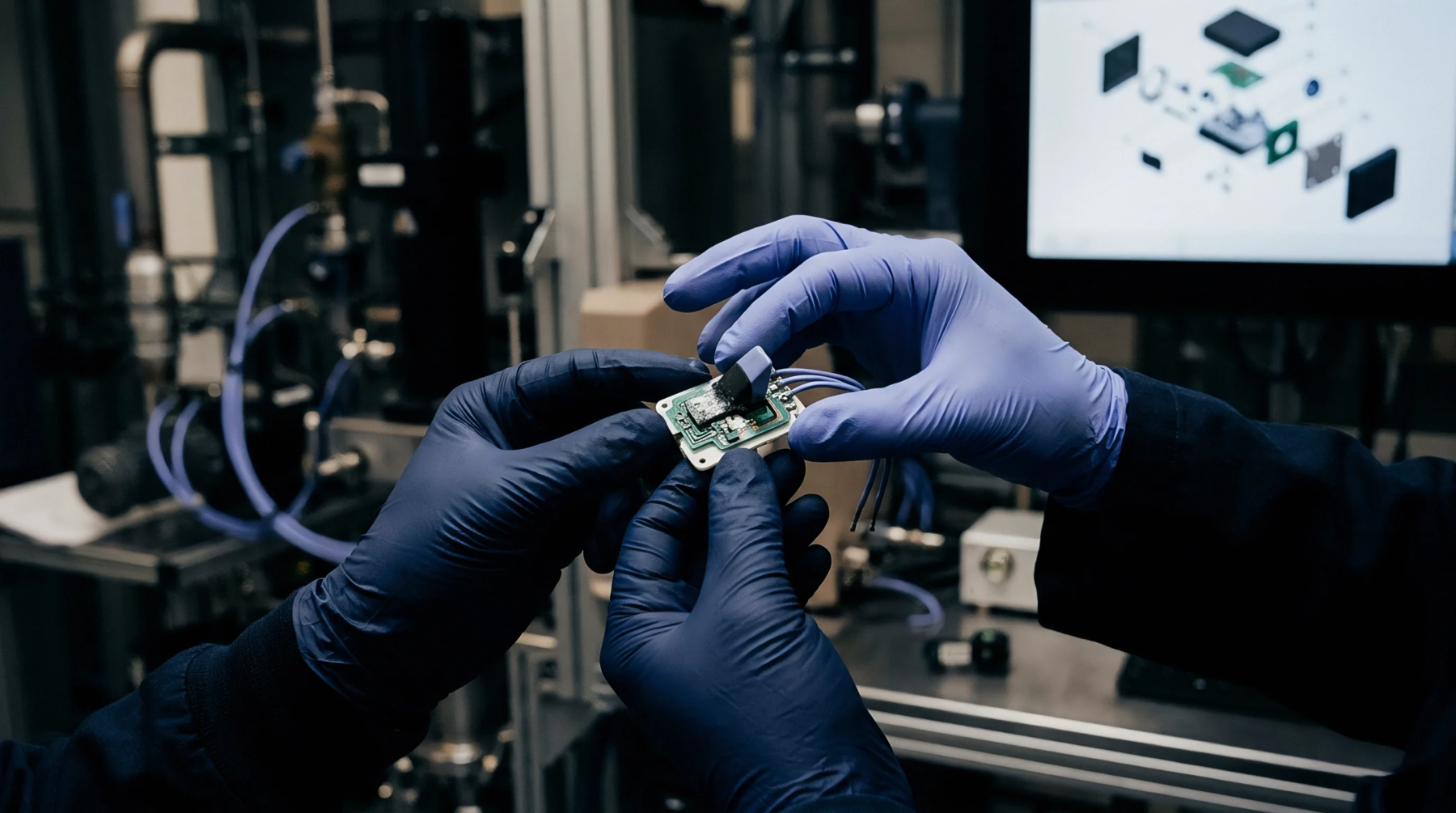
Non-linear viscoelastic cure modeling predicts microvia target pad separation by coupling resin shrinkage to interfacial cohesive fracture energy.

Radiographic escape quantification requires correlating grey-scale attenuation thresholds with physical microsections to catch hidden non-wetting defects.
Evaluating laminate glass weave anisotropy requires specifying mechanically spread low-Dk glass styles and off-axis trace routing to eliminate spatial phase skew.
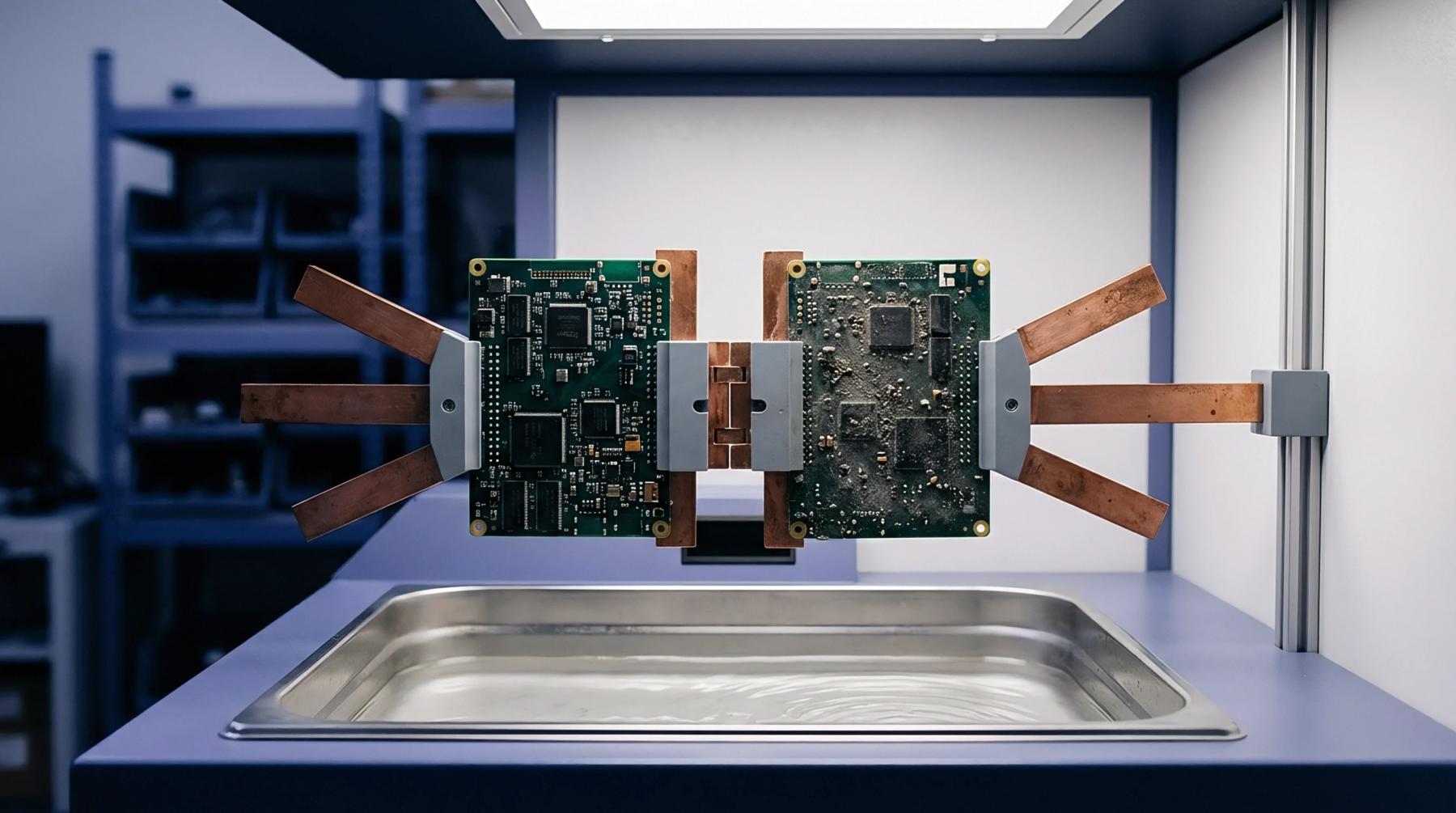
Dynamic thermal stress screening using micro-ohm glitch detection isolates latent intermittent microcracks in high-density multilayer substrates before release.
Enforcing IPC-6012 Class 3 via purchase orders requires explicit drawing notes specifying 20-micrometer barrel copper, zero pad breakout, and mandatory panel coupon microsection dossiers attached to every shipment.

Unbalanced inner-layer copper density drives uneven resin flow during lamination, thinning dielectric over dense areas and altering impedance tolerances.

Prevent inner layer trace swim by maintaining conductor aspect ratios below zero point five zero and pairing heavy copper with high glass fill prepregs.
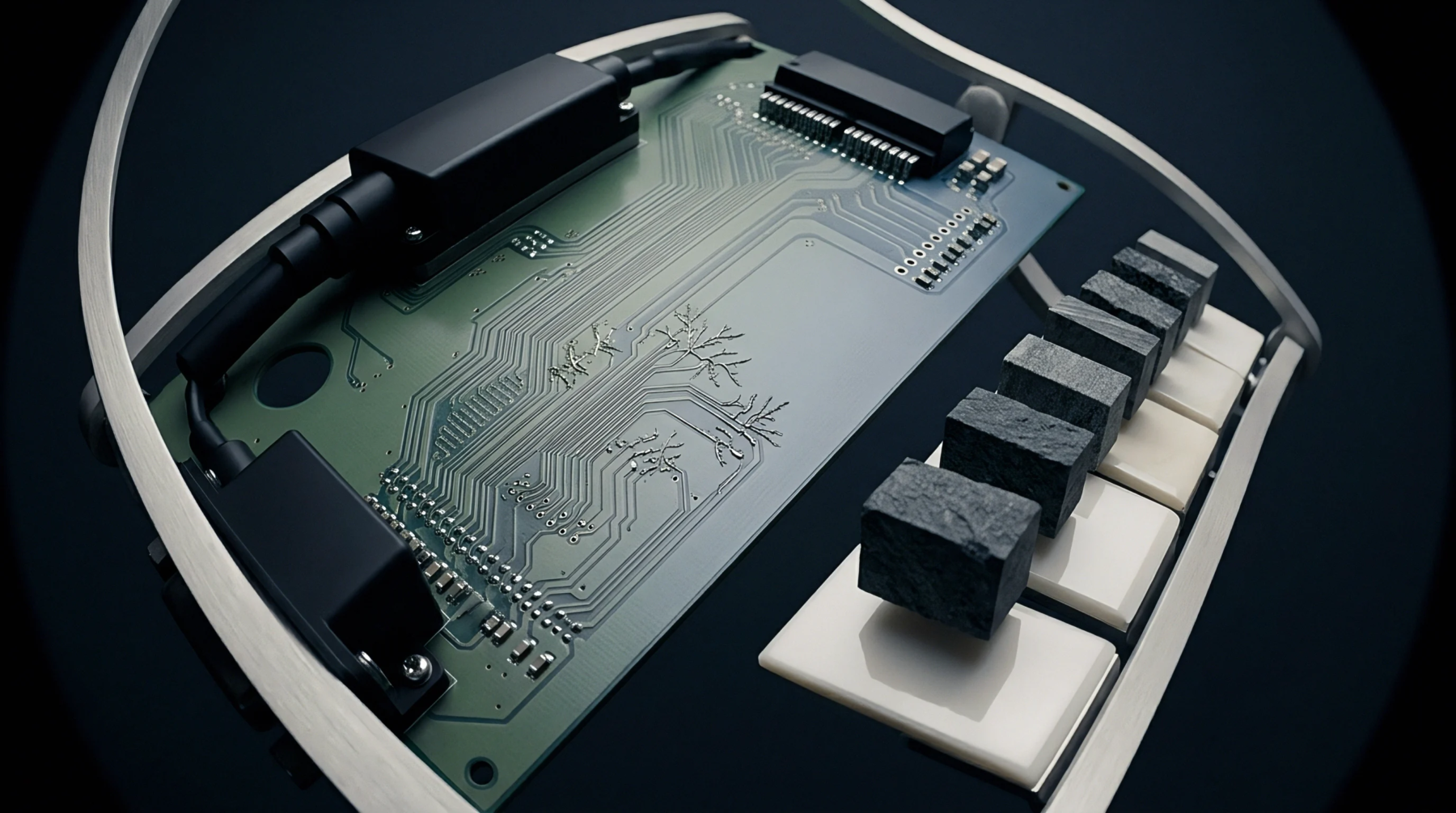
Lead-free alloy attenuation shifts require recalibrating X-ray tube parameters and grey-scale thresholds to ensure accurate void measurement and line yield.
Expertise is a utility, not a secret. sentiention™ publishes its working knowledge as open reference: intelligence layer covering the materials it sources, the markets it enters, and the reference that serves both.