
Statistical Inspection Bounds and Commercial Risk Allocation in Assembly
Statistical inspection bounds govern defect escape rates, defining commercial liability boundaries and scrap allocation across surface mount assembly lines.
Statistical inspection bounds govern defect escape rates, defining commercial liability boundaries and scrap allocation across surface mount assembly lines.

Evaluating stress intensity factors requires calculating mode mixity across bimaterial boundaries to prevent latent interfacial cleavage in high-density packages.

AS6081 analytical screening prevents gray-market component defects from causing SMT downtime and joint failures through targeted non-destructive and laboratory tests.

Acoustic phase inversion identifies package delamination by tracking 180-degree echo phase shifts caused by air gap impedance drop at internal material boundaries.

BGA moisture sensitivity compliance demands strict floor life tracking, J-STD-020 preconditioning qualification, and acoustic inspection for subsurface delamination.

Fickian desorption calculations use temperature-dependent diffusivity to determine exact package bake times, preventing reflow popcorning and structural delamination.

Component floor life compliance requires strict tracking, verified moisture barrier packaging, and controlled bake protocols before surface reflow.

Thermal defect attribution models divide assembly defect liabilities between component material degradation and SMT oven profile deviations using empirical test data.

Consigned component reliability depends on strict intake MBB inspection, calculated J-STD-033 bake cycles, and J-STD-002 solderability testing before reflow.

Calculated steam expansion pressures in reflowed plastic integrated circuits reach 4.69 MPa at 260°C, causing catastrophic delamination if moisture exceeds critical levels.
Solder reflow steam pressures inside plastic components demand exact floor life accounting and dry storage discipline to prevent package delamination.

Provide clear overage buffers and factory reels to prevent line starvation, setup material waste, and downtime charges during surface-mount assembly.
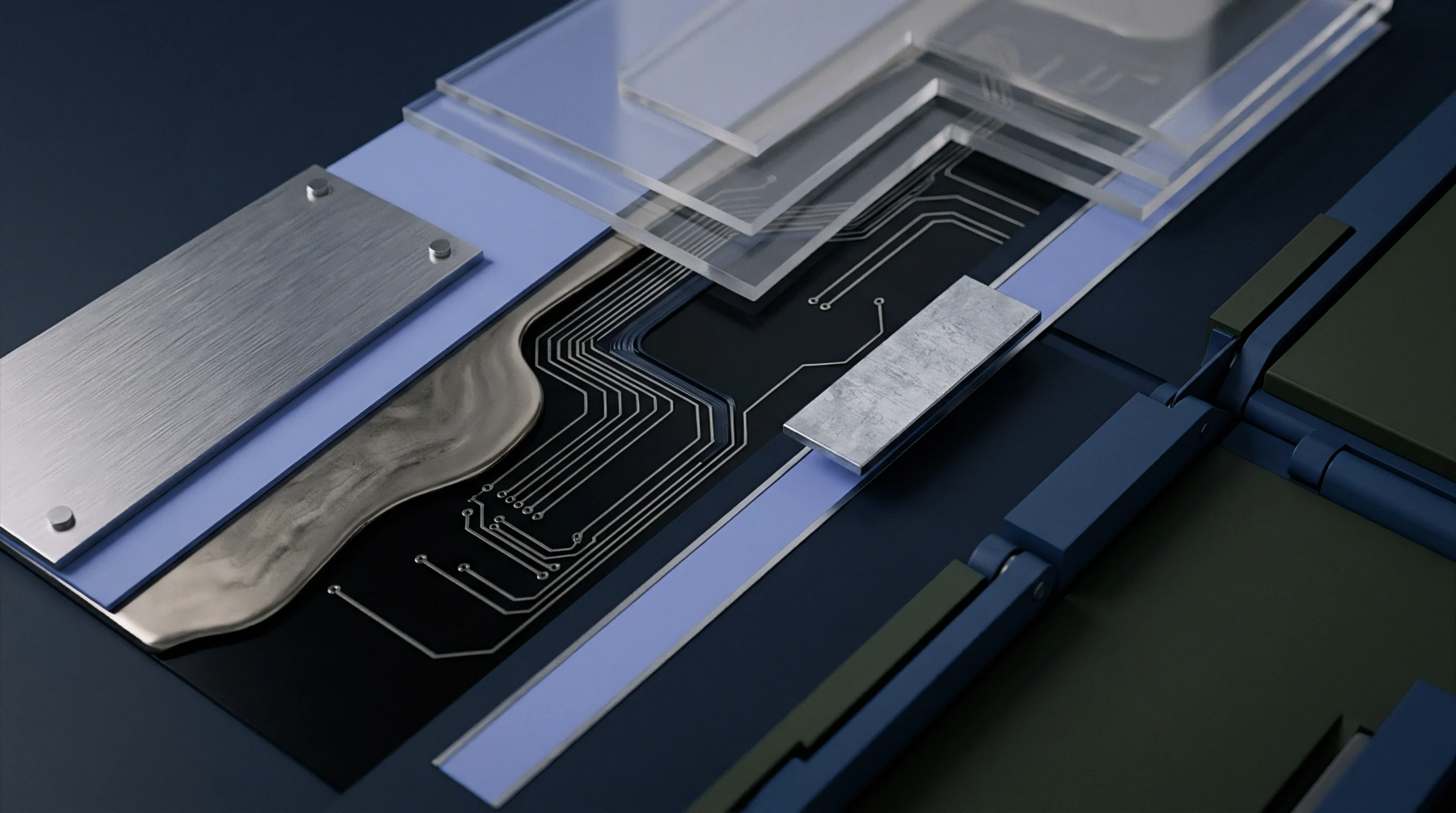
Exceeding component floor life limits risks catastrophic reflow popcorning; restore parts via J-STD-033 validated bake profiles before surface mount assembly.

High frequency C-SAM detects post bake package delamination down to ten nanometer air gaps using acoustic phase inversion analysis.

Thermal defect attribution in mixed consigned assembly requires combining profile logs, 3D X-ray data, and MSL handling records to split material and process liability.
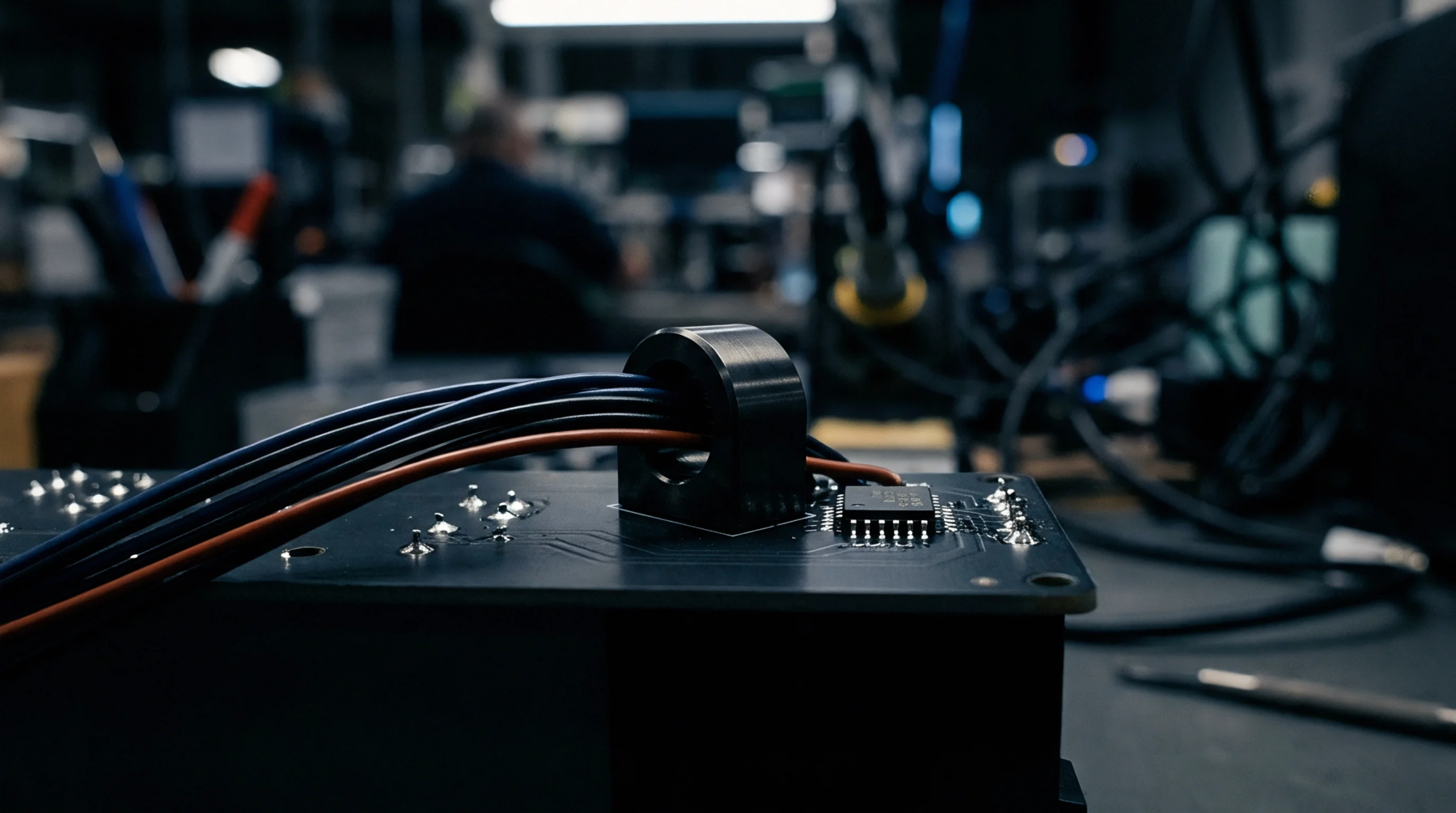
Opening moisture-sensitive parts before line release exposes components to ambient humidity, risking thermal delamination during reflow unless floor life is tracked and restored.

Split procurement saves component markup fees on high-cost ICs but demands strict kit audits, overage management, and clear contract defect attribution rules.

Prevent secondary reflow and component damage by enforcing clear keepout zones, utilizing machined composite shielding, and capping adjacent joint temperatures below 180°C.

Setup hours in small batch assembly represent fixed feeder loading, stencil alignment, and inspection programming costs that dominate unit landed pricing.
Expertise is a utility, not a secret. sentiention™ publishes its working knowledge as open reference: intelligence layer covering the materials it sources, the markets it enters, and the reference that serves both.