
Finite Element Shear Failure Modeling for Latent Interface Cracking in High Temp Thermal Aging
Finite element shear modeling predicts latent interface cracking in high-temperature electronics by applying age-degraded cohesive zone parameters.
Finite element shear modeling predicts latent interface cracking in high-temperature electronics by applying age-degraded cohesive zone parameters.
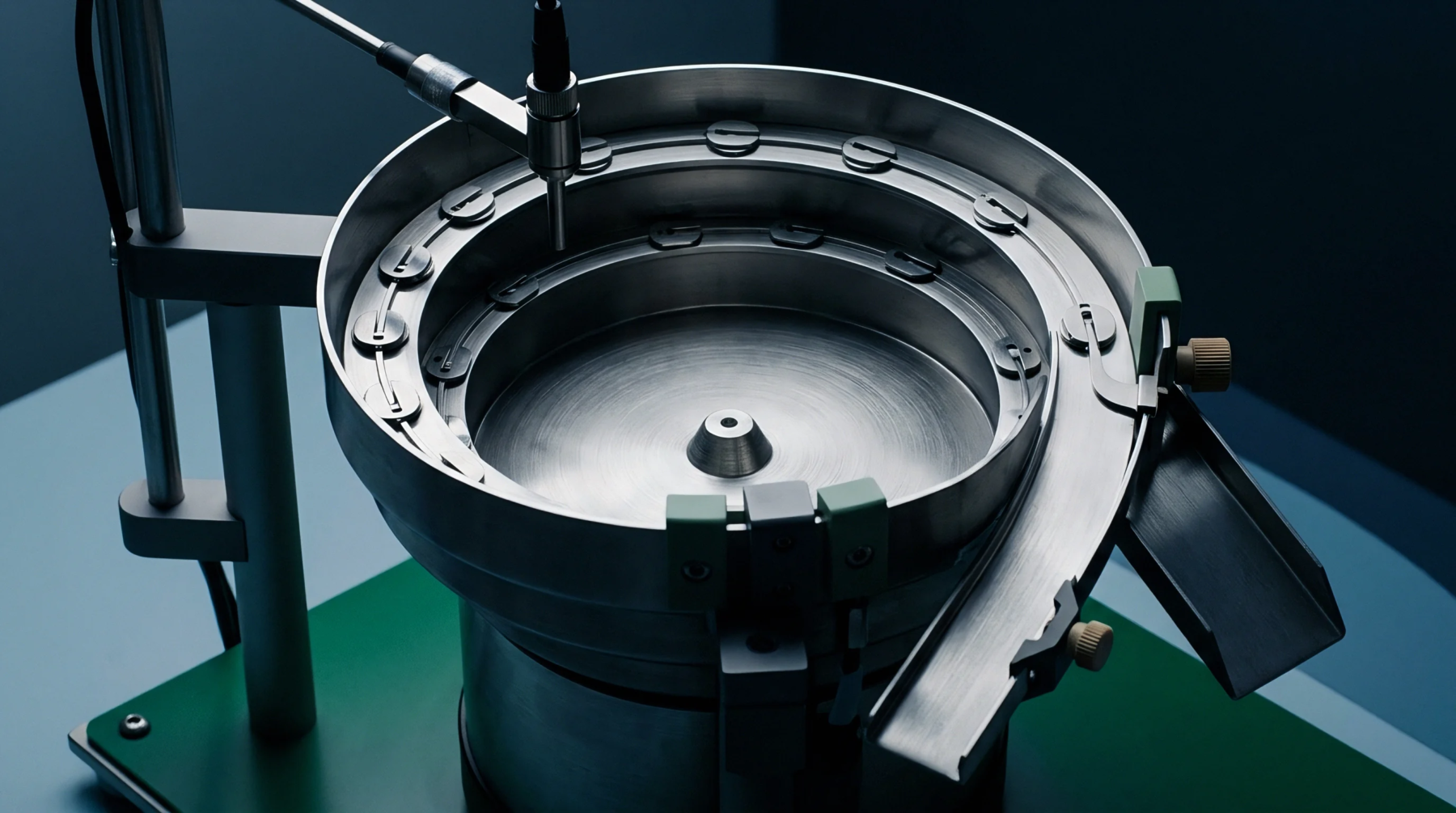
Evaluating stress intensity factors requires calculating mode mixity across bimaterial boundaries to prevent latent interfacial cleavage in high-density packages.
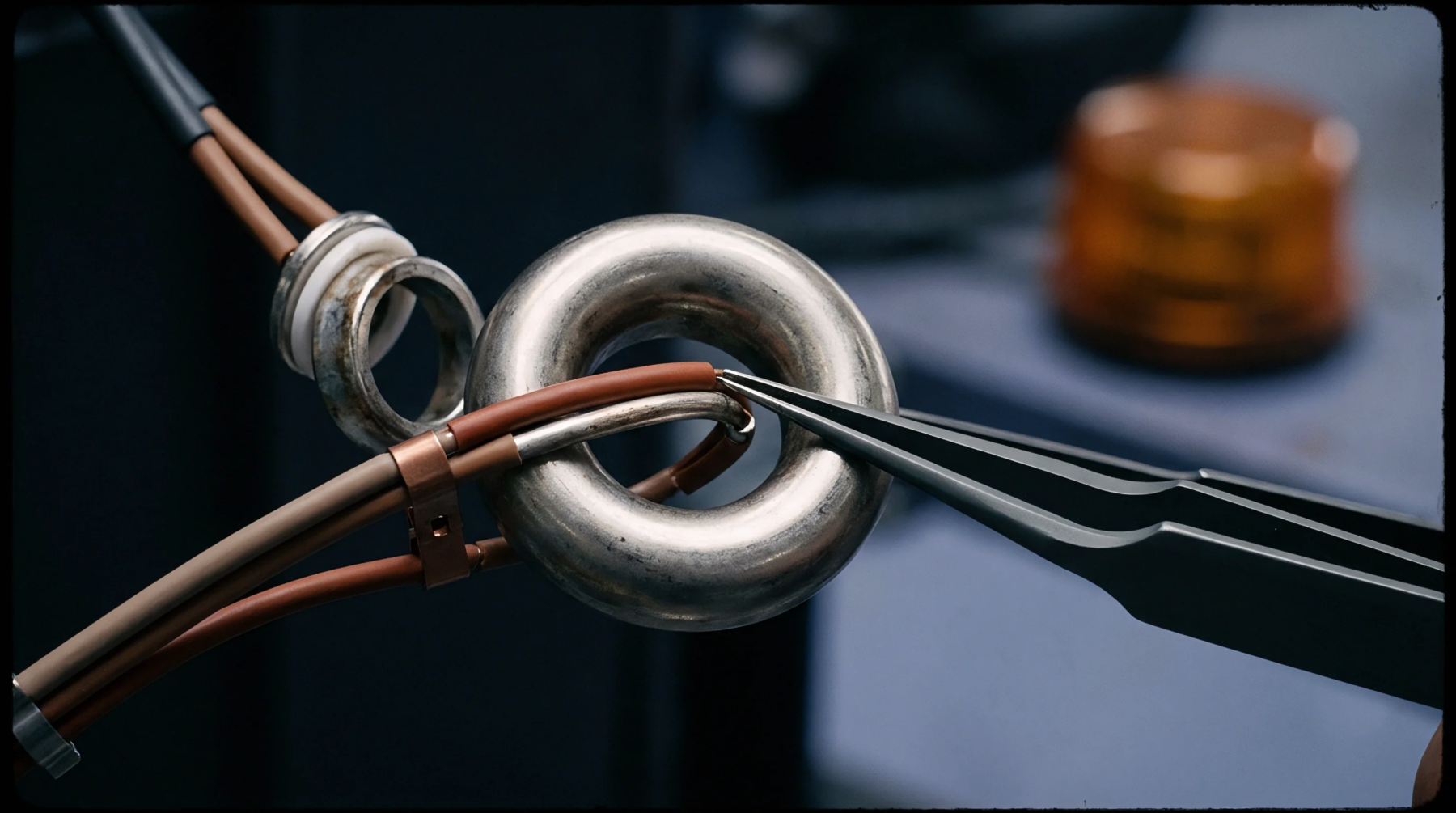
Heterogeneous core lamination requires synchronized thermal ramps to align flow windows and prevent resin phase extraction along substrate interfaces.
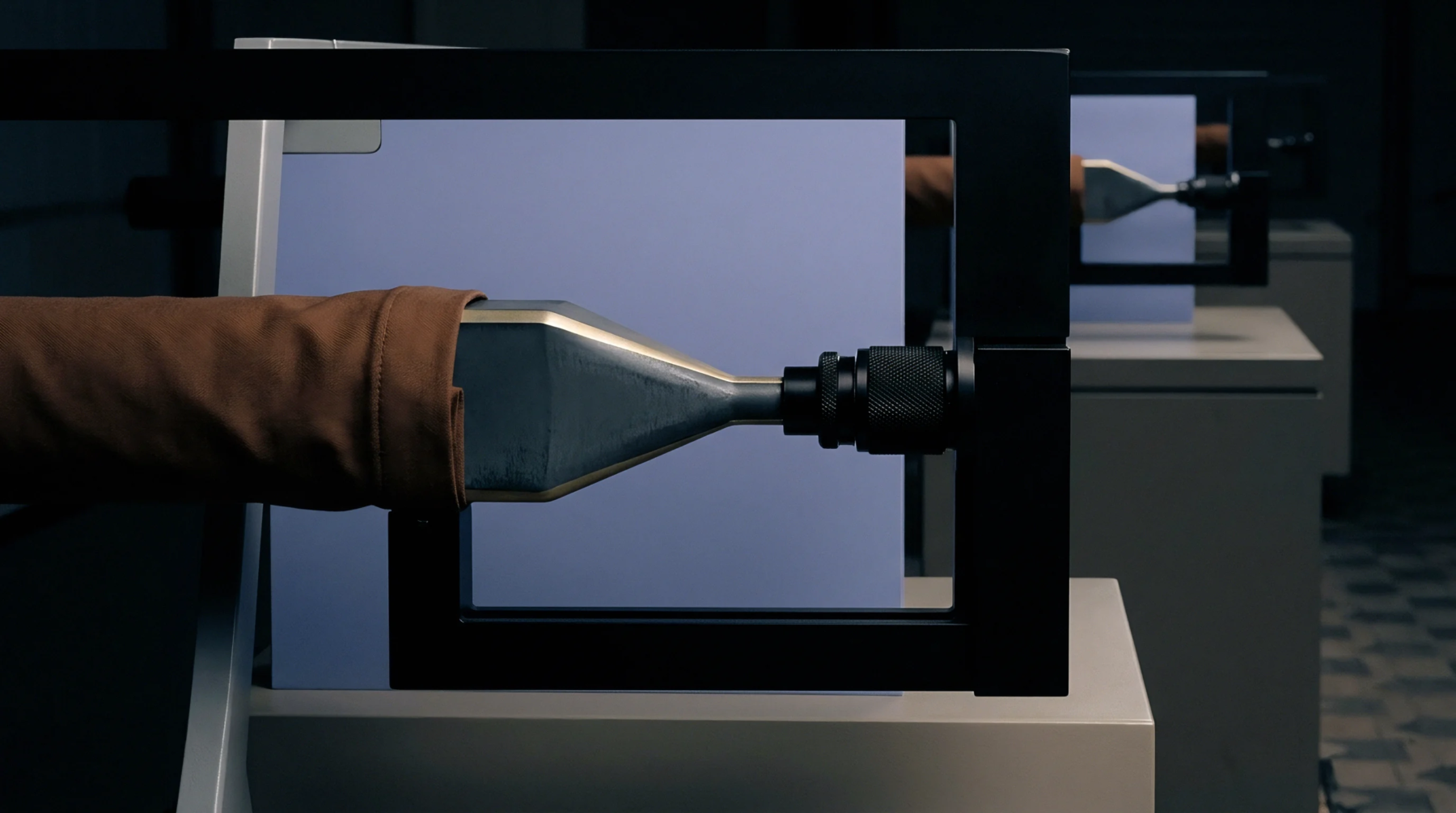
Dynamic thermal event monitoring cuts intermittent micro-crack escape rates in multi-die ASIC substrates below 0.15 defects per million.

Calibrating ASIC thermal cycling requires matching ramp rates and dwell times to die-level thermal lag, isolating latent microvia defects without exceeding fatigue limits.
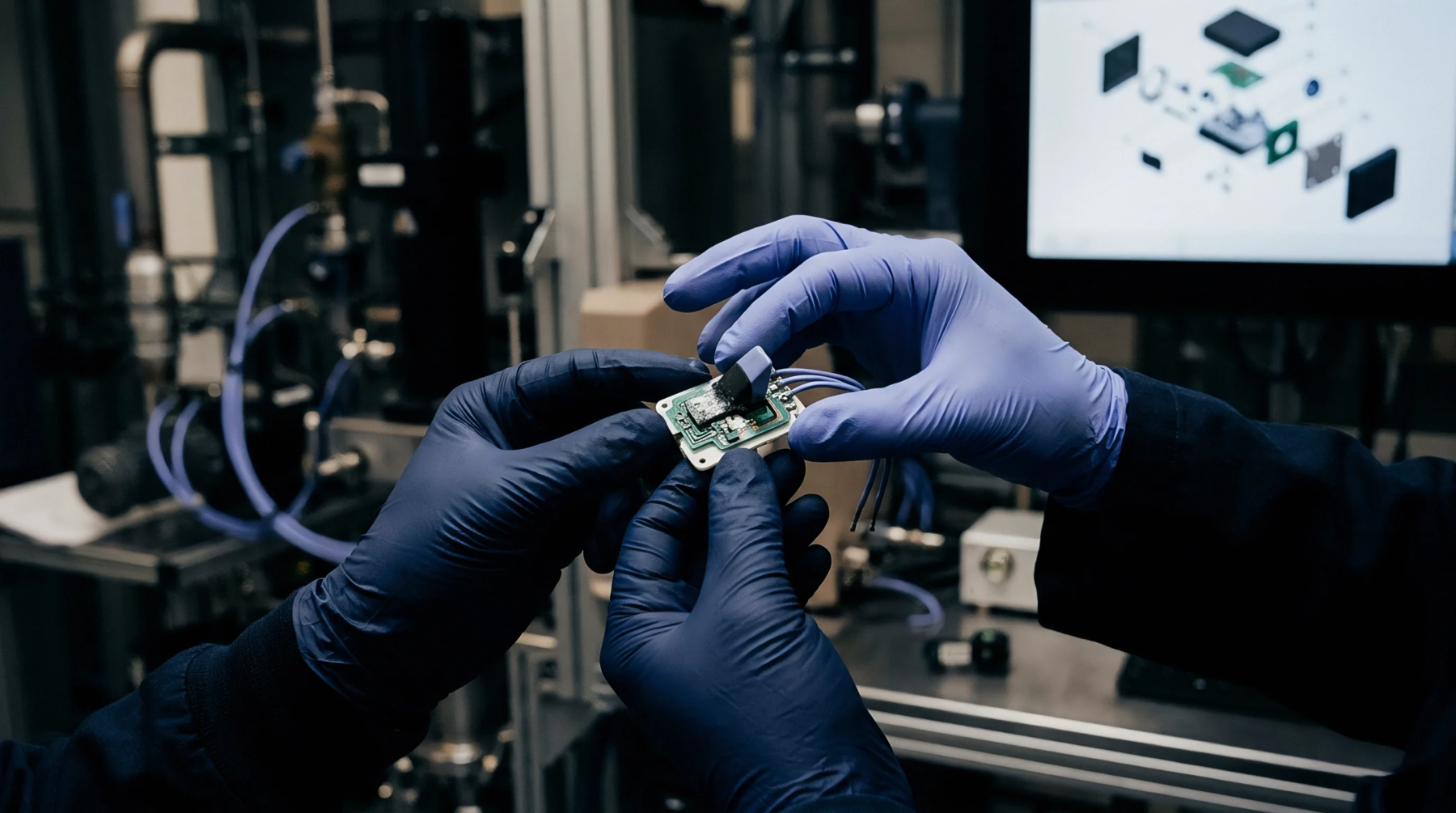
Dynamic four-wire testing isolates ambient and transient microvia resistance shifts during thermal stress to catch latent target pad defects before shipment.
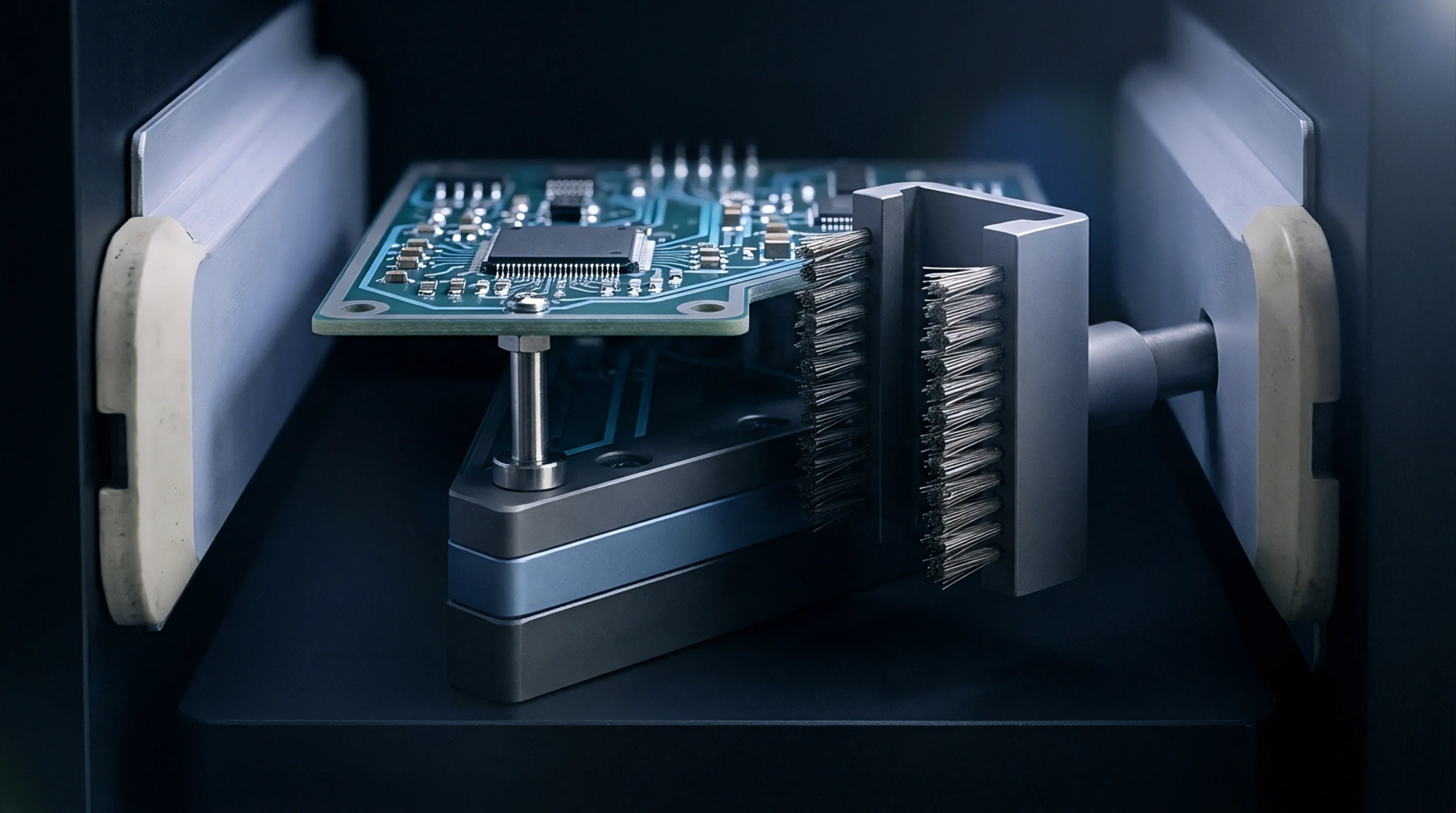
Microvoid coalescence under thermal cyclic strain stems from creep-fatigue interaction at intermetallic layers, requiring EBSD and strain partitioning to prove.
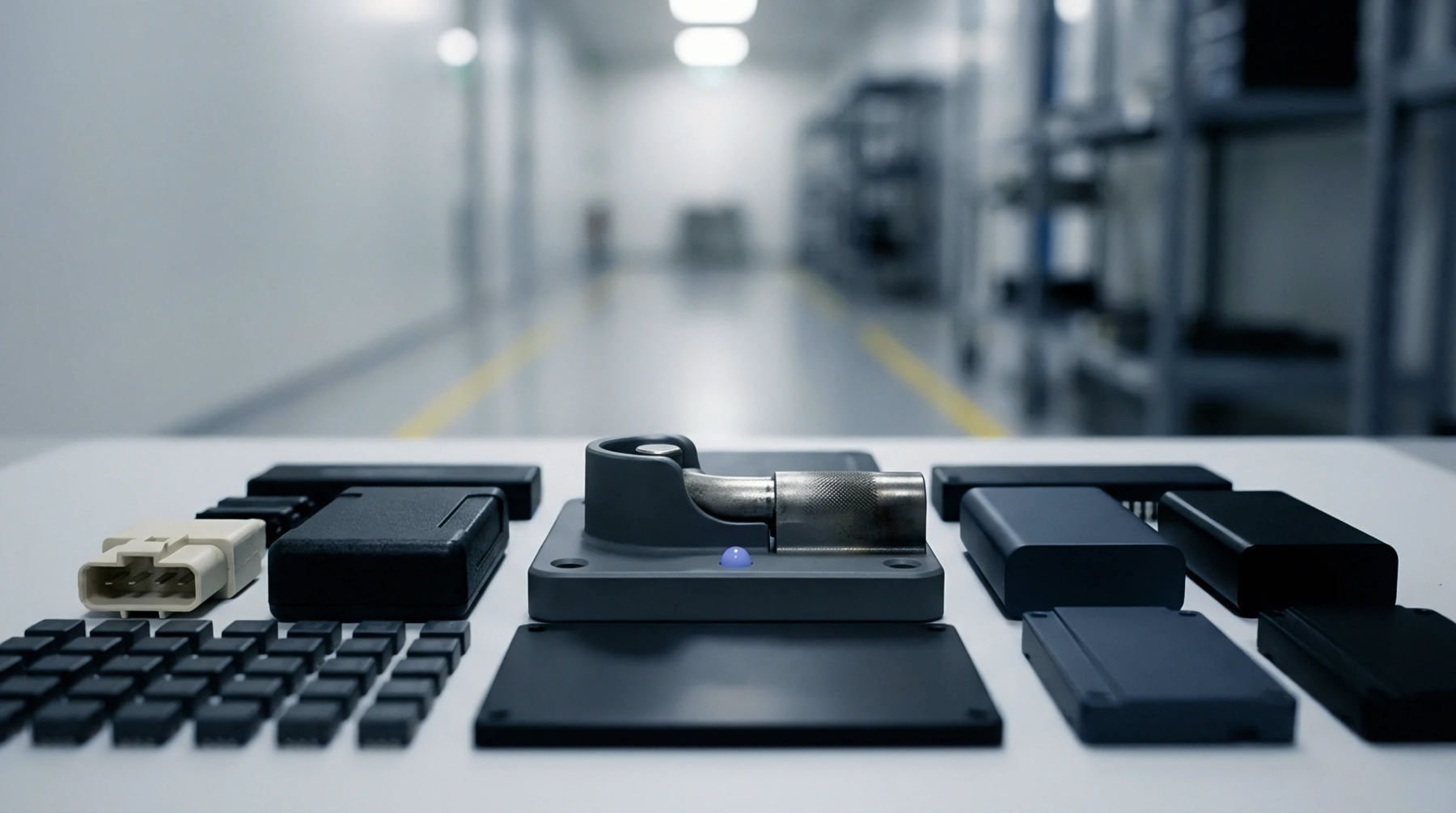
Sub-micron interfacial crack growth under high-frequency electromagnetic and thermomechanical stress is driven by local skin-depth current crowding and Maxwell stress tensor concentration.

Fickian desorption calculations use temperature-dependent diffusivity to determine exact package bake times, preventing reflow popcorning and structural delamination.
Interconnect stress testing detects sub-micron post separations through dynamic resistance drift before static optical microsections show physical cracks.
Matching dielectric CTE above Tg to copper ductility prevents inner layer interconnect fracture during high temperature reflow thermal profile cycles.

Structural strain transfer requires minimal bondline thickness, high shear modulus adhesives, and precise surface roughness matching to prevent measurement lag.
Arbitrated thermal wear-out liabilities require metallurgical failure proof and Weibull shape parameters exceeding two to establish pre-existing factory escapes.
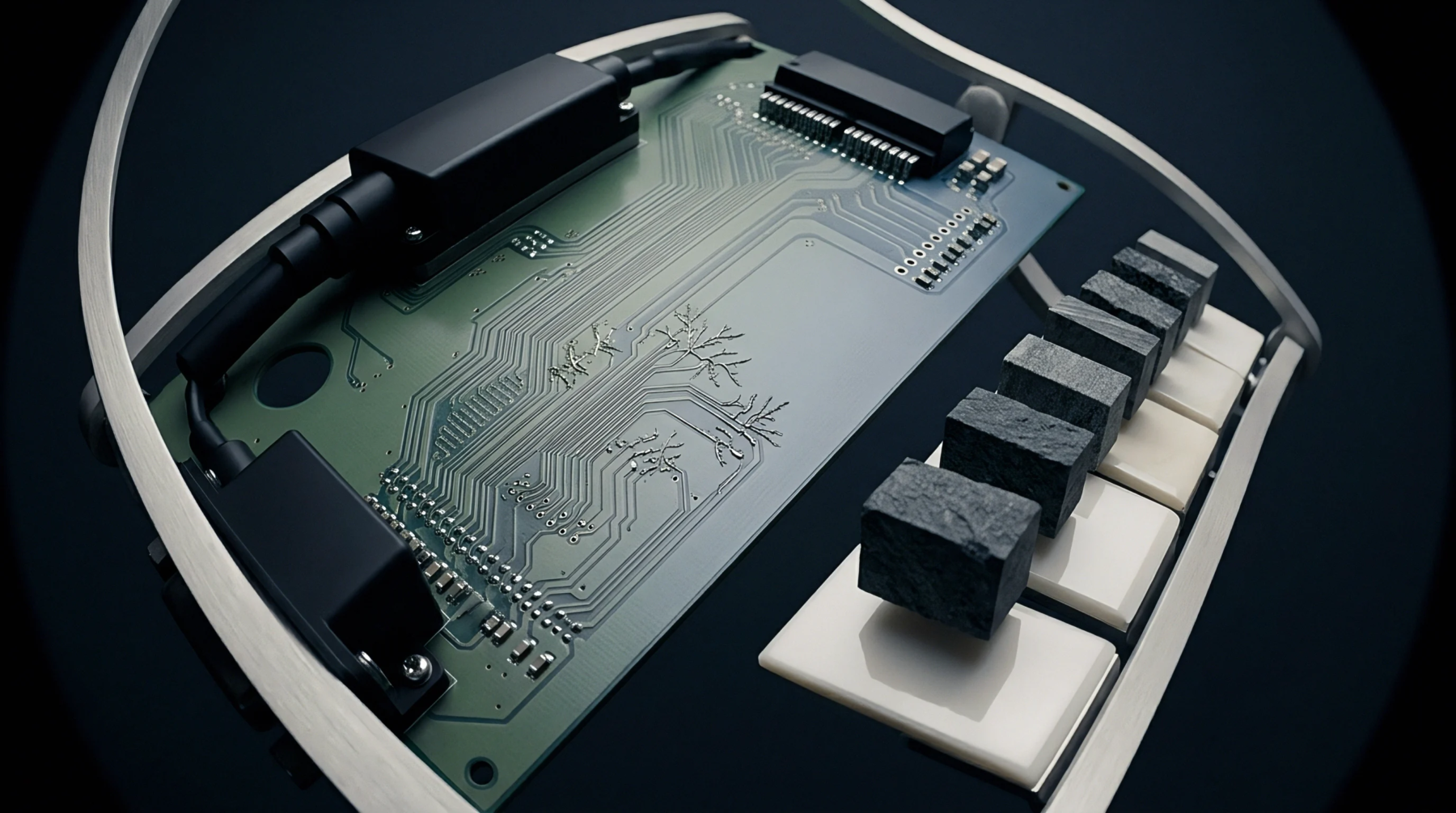
Dynamic thermal warpage alters fine pitch component standoff during reflow, trapping flux outgassing and increasing solder joint voiding percentages.
Optimizing inner layer registration requires balancing thermal expansion tolerances through four-slot pinning while managing prepreg viscosity windows under staged pressure.
Submicron crack contact under thermal bias masks delamination signals, requiring phase-inversion gating and high-frequency transducers to verify package integrity.
Anisotropic inner layer shrink requires asymmetric artwork scaling factors matching prepreg warp and fill glass weave thermal coefficients.
Heat-cured epoxies achieve superior strain transfer efficiency and lower creep drift than cyanoacrylates under high temperatures and long-term static loads.

Factory first pass yield figures routinely mask high field defect rates by excluding off line retests, unmapped fault coverage gaps, and clamping stress false passes.
Enforce IPC/JEDEC-9704 strain budgets and maximum 5% intermetallic planar void limits in assembly contracts to hold manufacturers liable for latent solder joint shear failures.
Expertise is a utility, not a secret. sentiention™ publishes its working knowledge as open reference: intelligence layer covering the materials it sources, the markets it enters, and the reference that serves both.