Differential Expansion
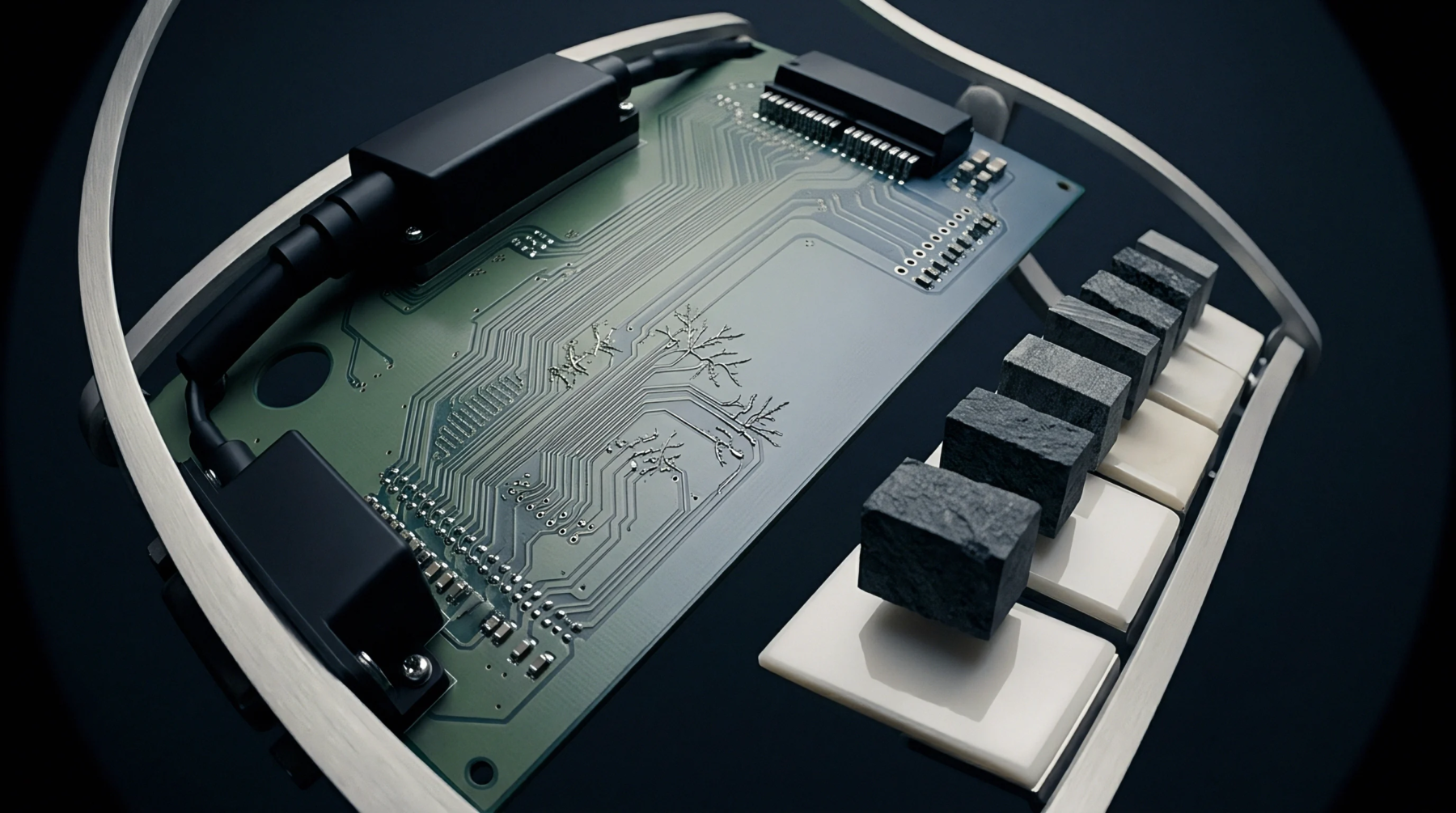
Structural failure occurs when two materials with disparate rates of physical growth under heat are bonded together in a single assembly, preventing the unit from returning to its original geometry after a thermal cycle. Thermal expansion mismatch quantifies the strain generated at the interface of a silicon die and a printed circuit board or between a ceramic component and a metallic lead. Designers calculate the coefficient of thermal expansion for each material to predict the stresses that build up during solder reflow or power cycling.
If the forces exceed the elastic limit of the joint or the substrate, delamination or fractured solder fillets appear during environmental testing.
Stress Management
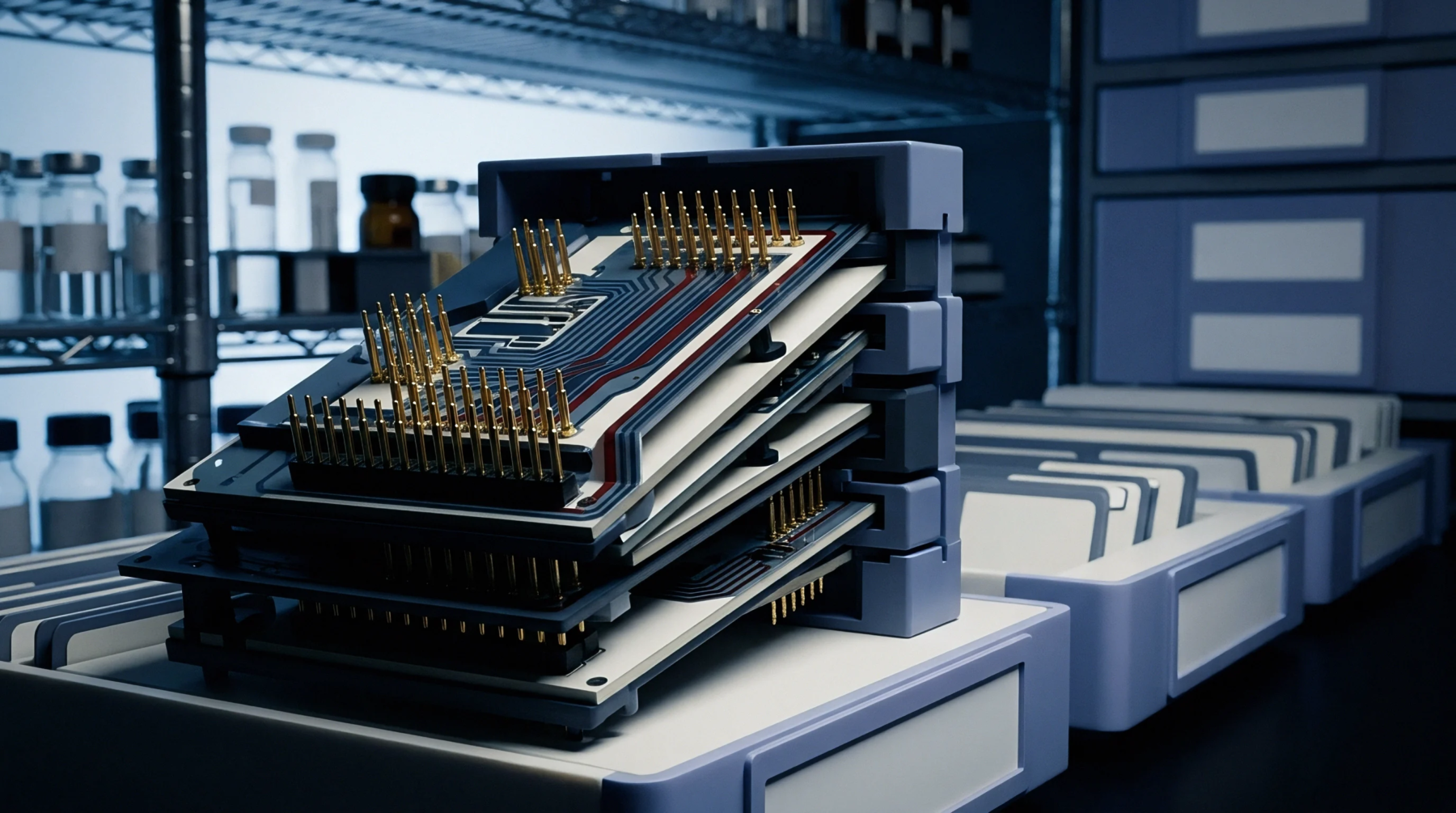
Thermal expansion mismatch dictates the selection of underfill materials and substrate laminates throughout the fabrication process of high density circuit cards. Assemblers account for the differences in how copper, fiberglass and silicon respond to temperature shifts because restricted movement leads to internal shear forces. Engineers specify materials with similar properties to stabilize the connection between a large integrated circuit and the mounting surface.
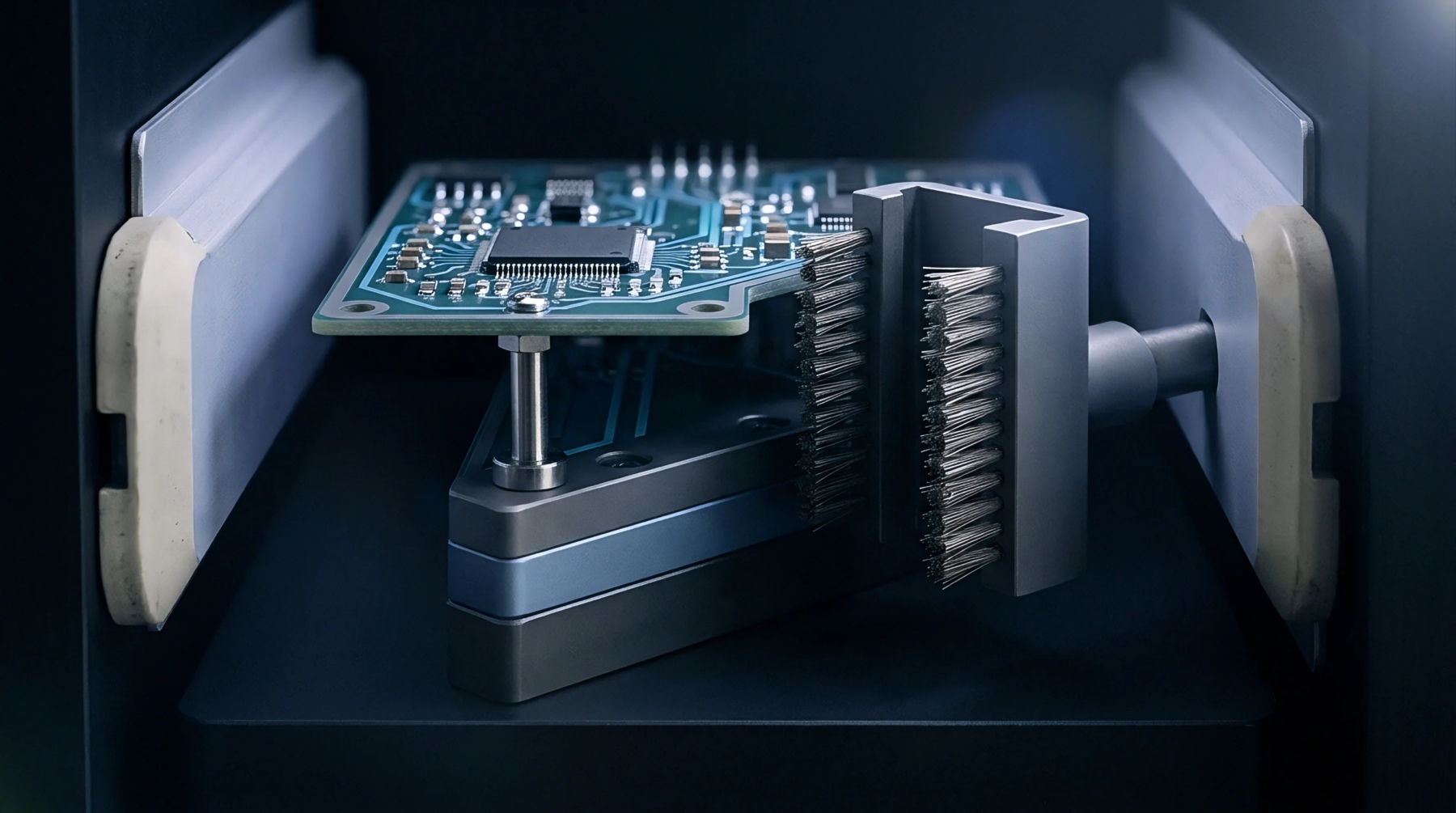
Proper selection of lead-free solder alloys helps mitigate these effects by allowing minor plastic deformation that absorbs the kinetic energy of expansion. Testing labs use thermal shock chambers to simulate the strain caused by these varying growth rates on finished hardware. These chambers force the assembly through extreme temperature ranges to reveal latent defects that arise from poor material compatibility.
If the mechanical constraints are too rigid, the interface undergoes crack propagation that terminates the electrical path.
Failure Analysis
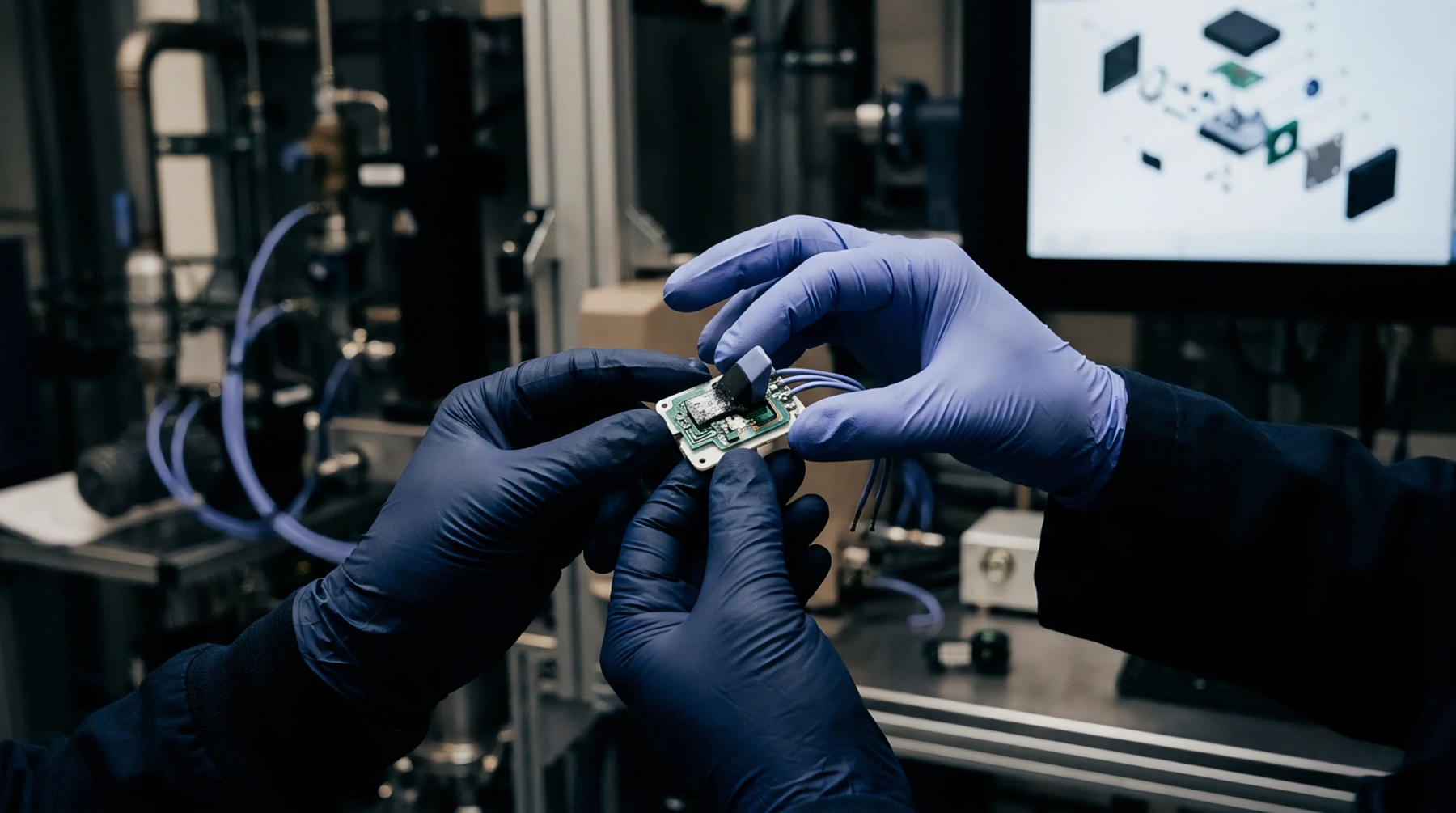
The degree of deformation depends on the distance from the neutral point where the movement of the component and the board synchronize perfectly. Designers measure this distance to determine the life expectancy of the solder joints under cyclical load. When the solder lacks the ductility to withstand the persistent stress, the connection becomes brittle and eventually separates.
A component with a large package size experiences high levels of strain at the outer corners compared to smaller parts. Mechanical stability relies on the precise alignment of expansion values across the entire bond zone.