Separation Defect
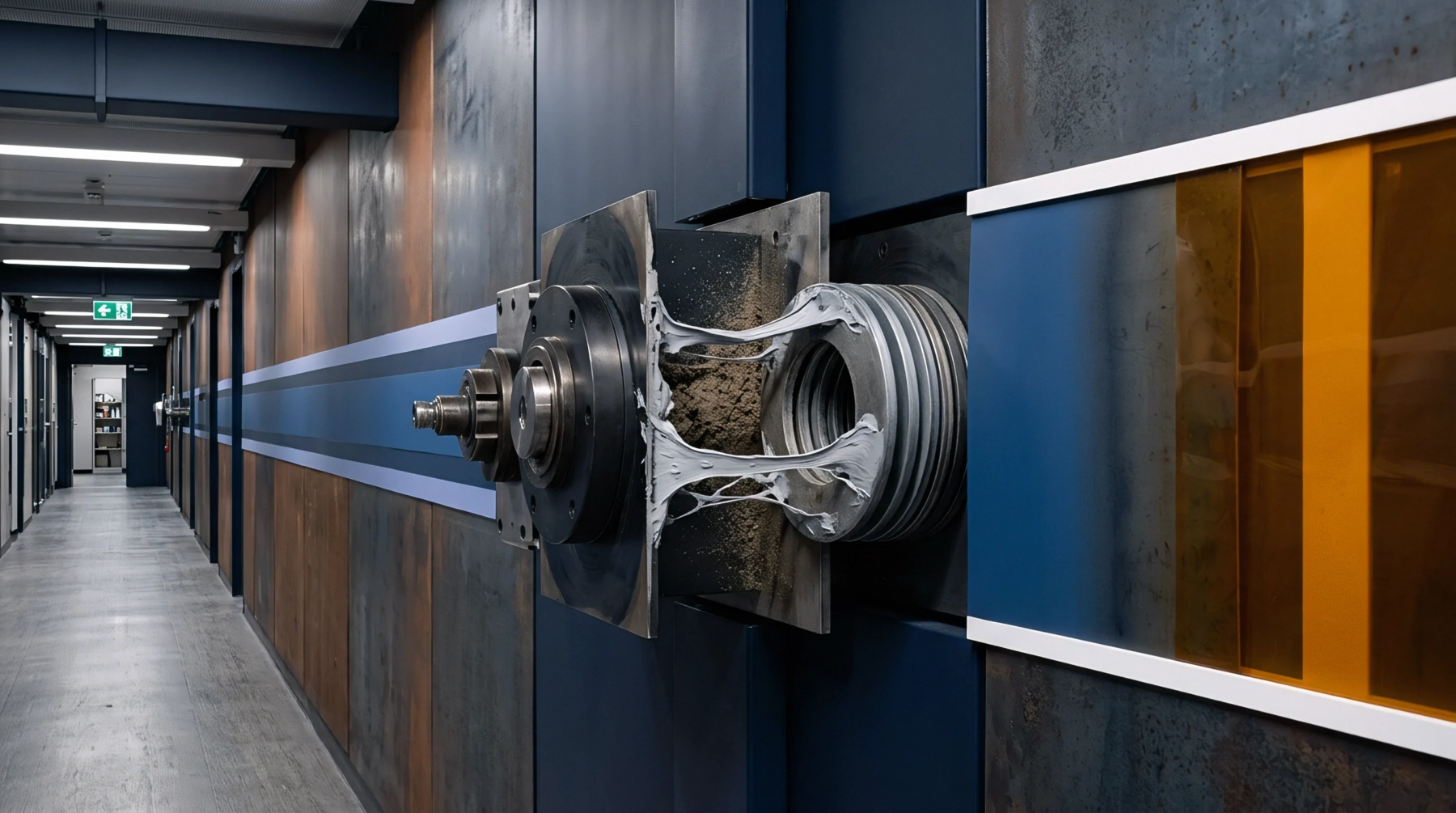
Internal layer separation within a composite laminate represents a severe mechanical defect that degrades the structural and electrical integrity of a printed circuit board. Occurrences of substrate delamination often happen during the assembly phase when the board is exposed to rapid temperature increases in the reflow oven. This separation occurs when the adhesive bonds between the fiberglass fabric and the epoxy resin fail under thermal stress.
Moisture Absorption
Entrapped moisture within the epoxy glass matrix is the primary driver of layer separation at high temperatures. If boards are stored in humid environments without protective packaging, the laminate absorbs ambient moisture that rapidly vaporizes into high pressure steam during soldering. This sudden steam expansion forces the layers apart, creating visible blisters or internal voids that disrupt the conductive copper paths and cause intermittent electrical open circuits.
Inspection Method
Visual inspection and acoustic testing can identify the presence of these internal voids before the boards are shipped to the customer. While a large area of substrate delamination is often visible as a light-colored blister on the board surface, smaller internal separations are typically caught using scanning acoustic microscopy or cross-sectional analysis. Corrective actions include baking the board assemblies at a low temperature to remove moisture prior to reflow, which effectively eliminates the volatile agents that cause steam pressure to build up between the bonded laminates.