Sensor Configuration
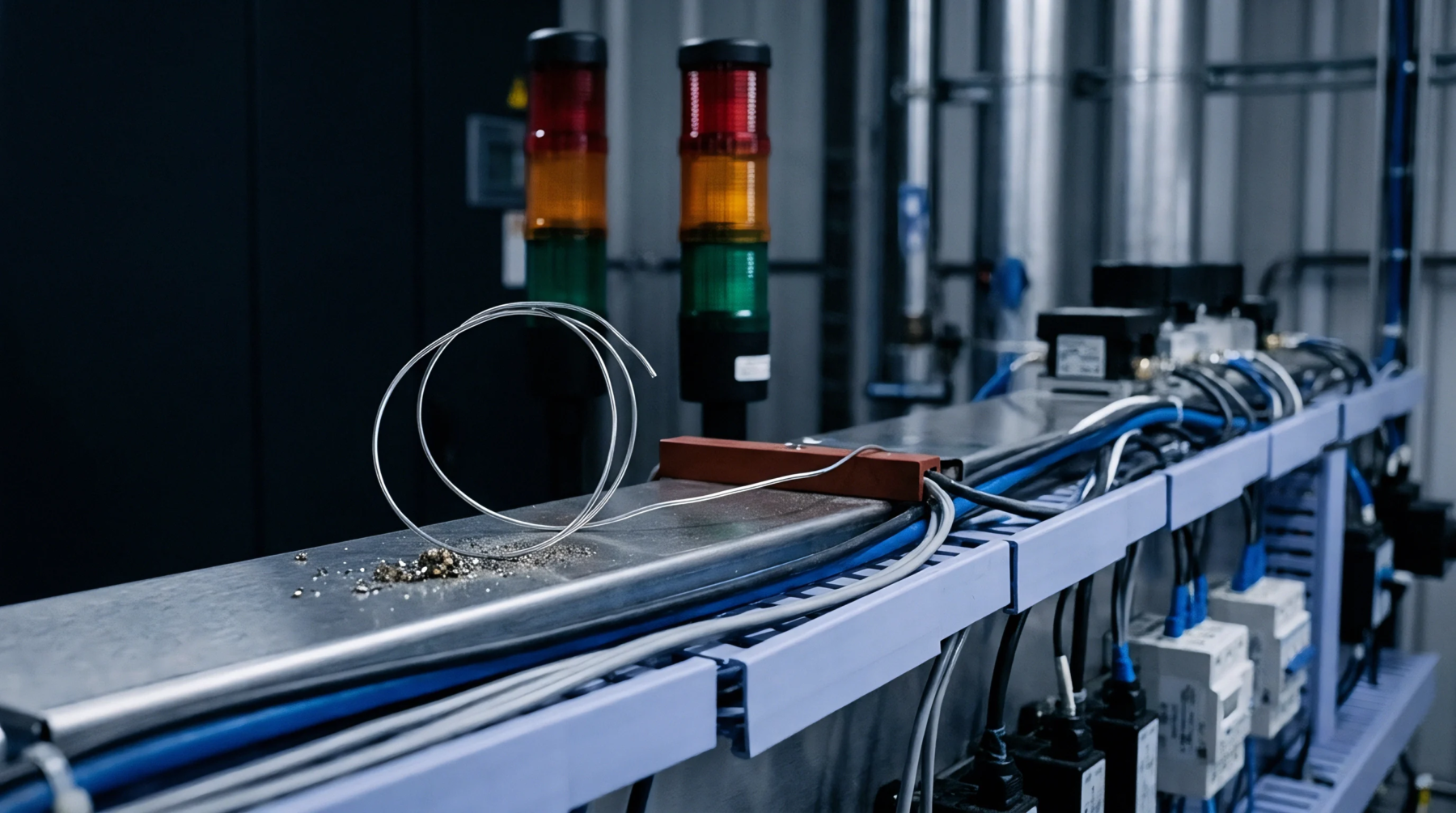
Surface-bonded resistive foil assemblies adhered with ethyl-based ester adhesives measure rapid board deflection during mechanical shock, depaneling and functional testing. A cyanoacrylate strain gauge translates localized mechanical deformation of printed board laminates into proportional fractional resistance shifts. The high modulus and fast cure speed of alkyl cyanoacrylate adhesives permit rapid installation during high-volume printed circuit assembly validation.
Adhesive Performance
Ambient moisture initiates rapid anionic polymerization of the adhesive film, creating a rigid polymeric layer within seconds. Thin adhesive layers minimize shear compliance, transferring mechanical displacement directly from the epoxy glass laminate to the constantan foil grid. Environmental exposure introduces measurement drift because uncrosslinked cyanoacrylate chains absorb atmospheric moisture and undergo hydrolytic plasticization over extended test durations.
Room-temperature mechanical testing according to IPC/JEDEC-9704 relies on cyanoacrylate strain gauge installations to capture transient strains during in-circuit testing, connector insertion and board handling. Thermal excursions above eighty degrees Celsius rapidly degrade the adhesive bond strength, precluding this adhesive choice for long-term thermal cycling regimens.
Mechanical Limit
Excessive adhesive thickness dampens peak strain transmission and induces shear lag across the measurement axis. Brittle adhesive fracture at strain levels exceeding three percent limits total elongation tracking during severe mechanical drop tests. Dynamic mechanical strain analysis relies on proper gauge bonding to prevent board overstress and pad cratering.