Alloy Composition
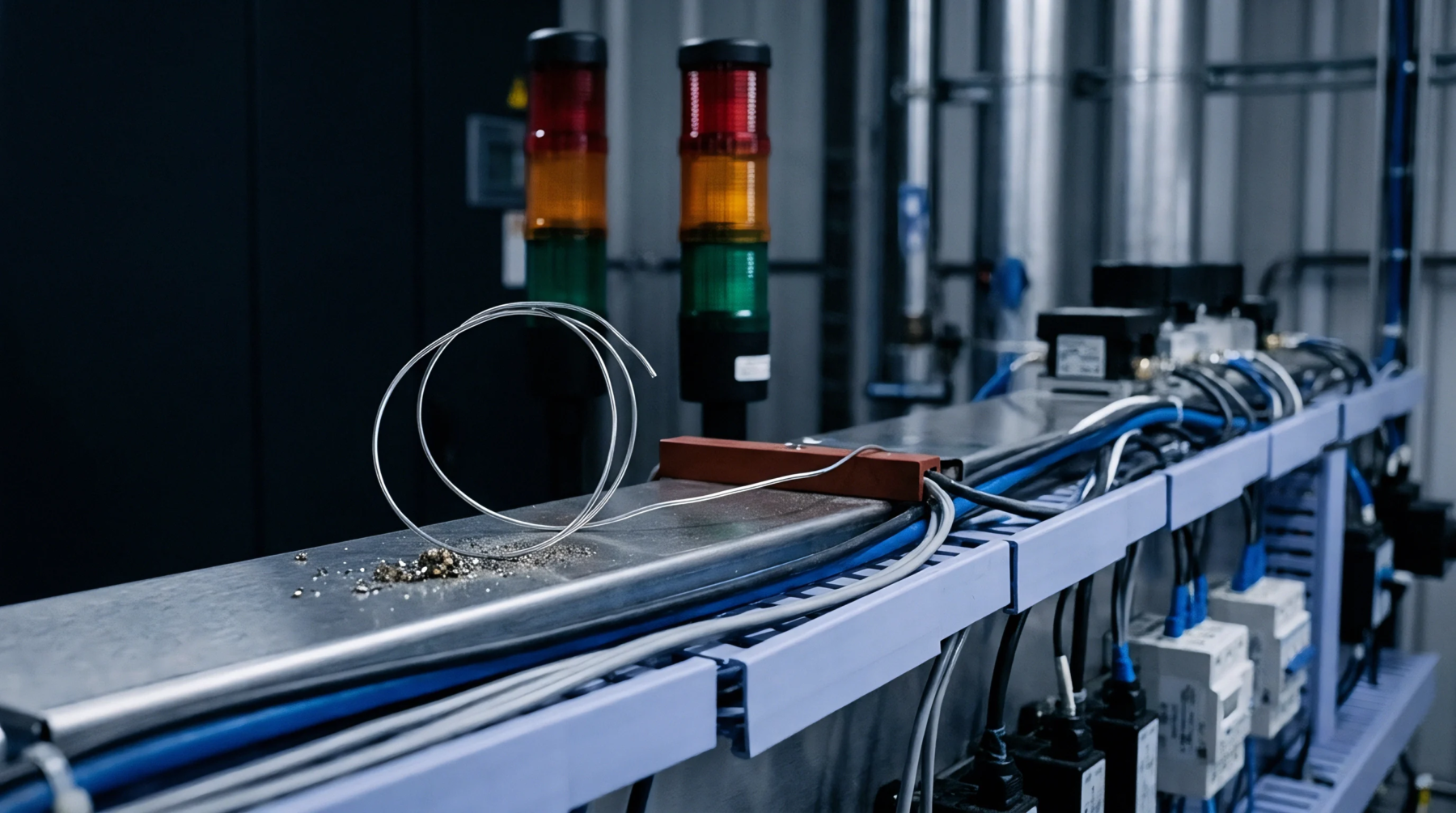
Copper nickel resistive alloy rolled into thin sheets provides repeatable electrical resistance over wide thermal ranges for embedded planar resistors and strain sensor elements. In printed circuit board fabrication, constantan foil functions as a thin film resistive layer laminated between dielectric substrates. Etching this material creates planar resistors directly integrated into internal circuit layers, eliminating discrete surface mount resistors.
Fabricators evaluate sheet resistance uniformities across copper-clad laminates using four-point probe measurements before chemical etching.
Thermal Stability
Temperature coefficients of electrical resistance remain near zero across standard operating ranges when proper annealing processes are applied during foil production. Substrates laminated with constantan foil maintain stable ohmic values during thermal cycling tests ranging from minus forty degrees Celsius to one hundred twenty-five degrees Celsius. Mismatches in coefficient of thermal expansion between the metal foil and glass-reinforced epoxy matrices generate mechanical strain during solder reflow.
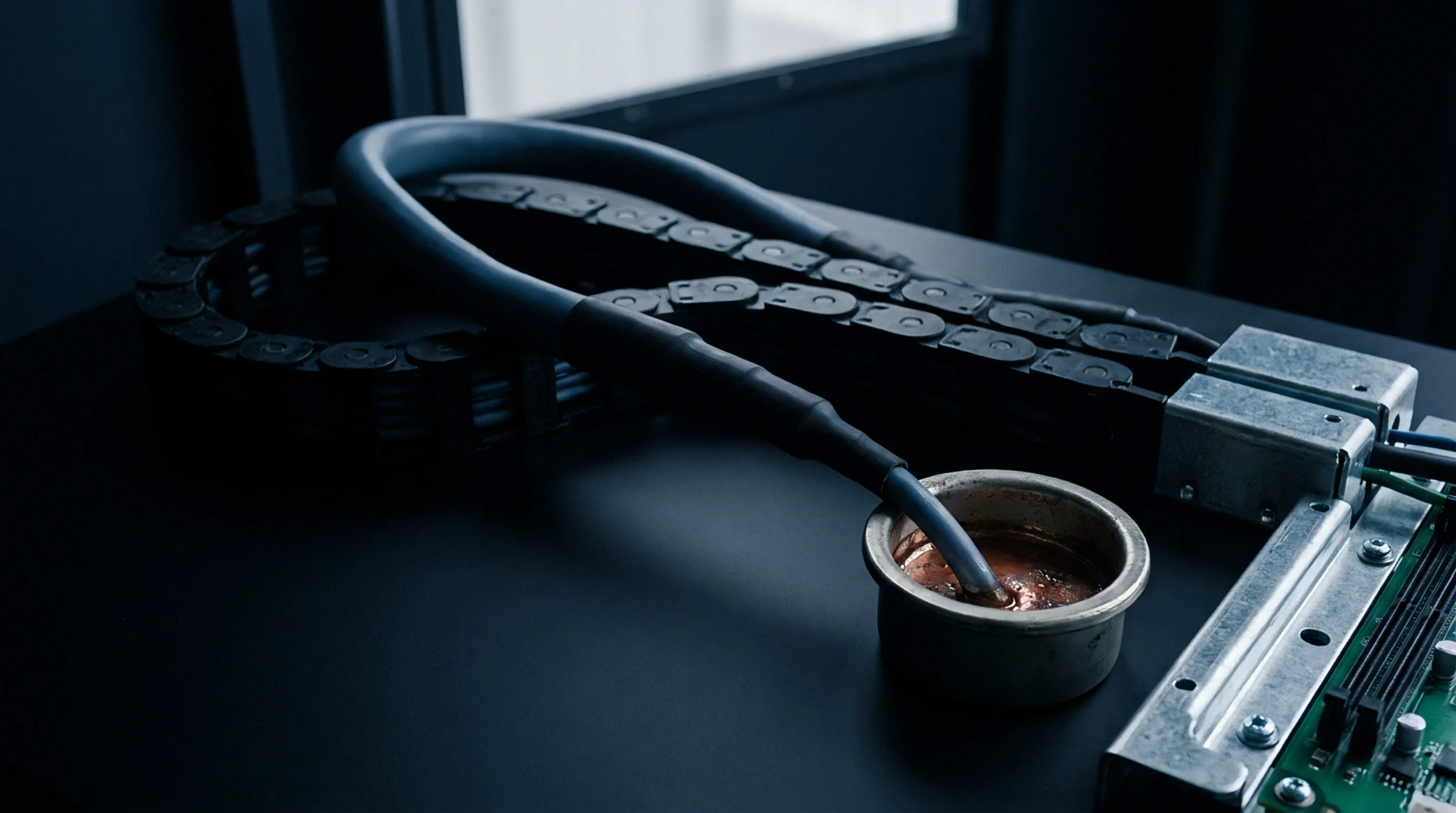
Chemical etching processes use cupric chloride or ferric chloride solutions to define resistor geometries without undercutting thin metallic profiles. Inconsistent foil thickness causes localized variations in sheet resistance, leading to target tolerance failures in high precision analog circuit networks. Photoresist adhesion during fabrication dictates edge acuity along etched resistor borders, directly influencing current density distribution.
Strain Transduction
Mechanical deformation alters internal crystal lattice spacing to yield proportional resistance changes suitable for strain gauge applications. Bonding constantan foil to flexible polyimide bases allows direct measurement of mechanical flexure in rigid-flex board constructions. Over-etching reduces conductive cross sections and raises baseline resistance values beyond specification limits.