Classification Standard
An industry document establishes the moisture sensitivity levels of non-hermetic solid state surface mount devices. The j-std-020 guidelines provide a standardized method for determining which components require special handling to avoid damage during reflow soldering. This standard assigns a rating from level one to level six based on how long a part can safely stay exposed to ambient humidity.
Manufacturers use these ratings to print the required caution labels and determine the necessary baking procedures for their products.
Testing Procedure
Testing involves soaking the components in specific temperature and humidity conditions before subjecting them to a simulated reflow profile. After the heat cycle, the parts are inspected for external cracks and internal delamination using acoustic microscopy. The j-std-020 procedure ensures that the plastic packages can survive the peak temperatures of lead free assembly without structural failure.
This testing is necessary because the expansion of trapped moisture can destroy the internal wire bonds or the silicon die itself.
The Floor
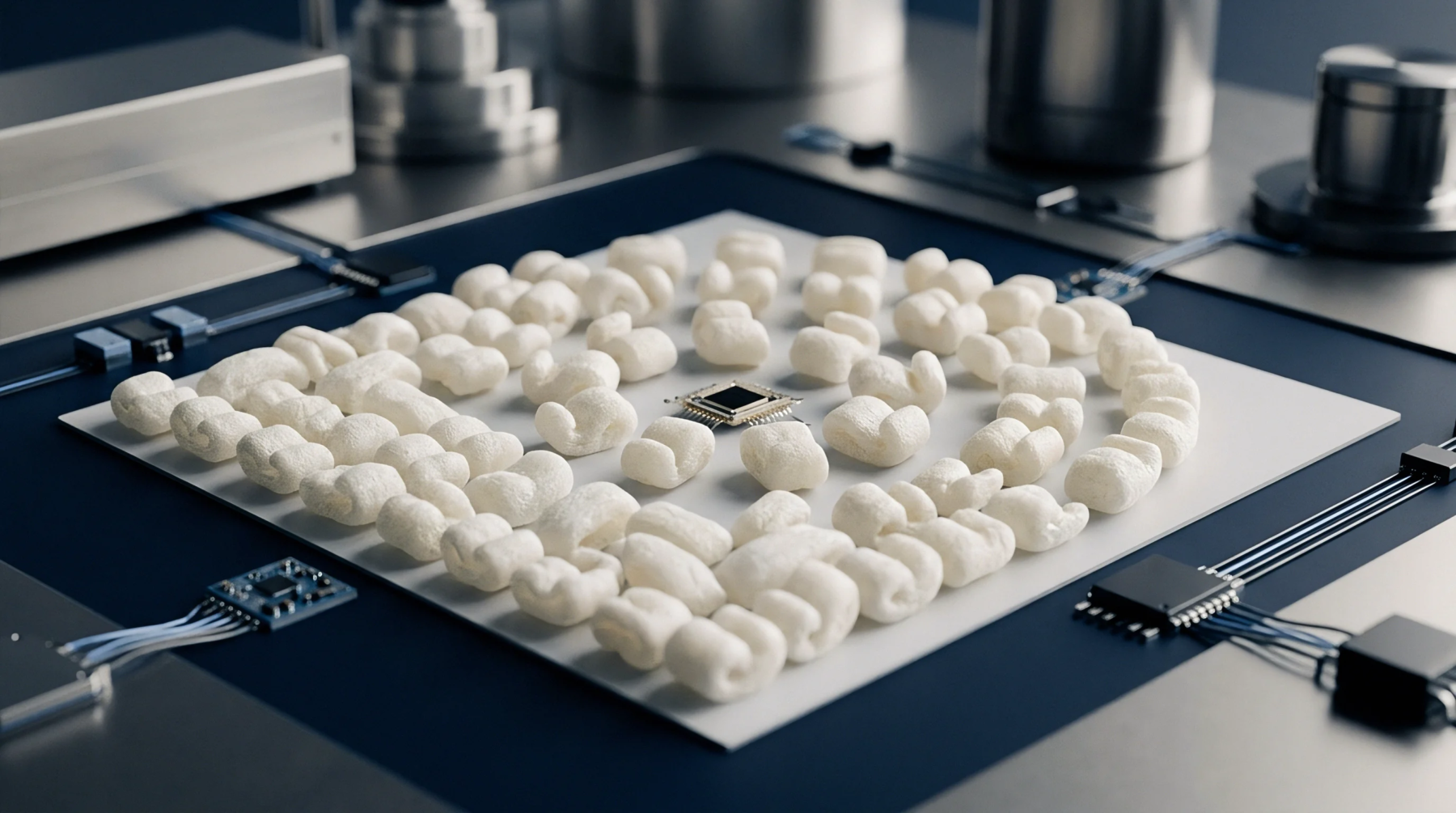
The rating identifies the maximum allowable time between removal from a dry bag and the completion of the soldering process. Proper adherence to these time limits is the primary defense against the popcorning effect in high density assemblies.