Secondary Heat Exposure Effects on Reflowed Solder Interconnects
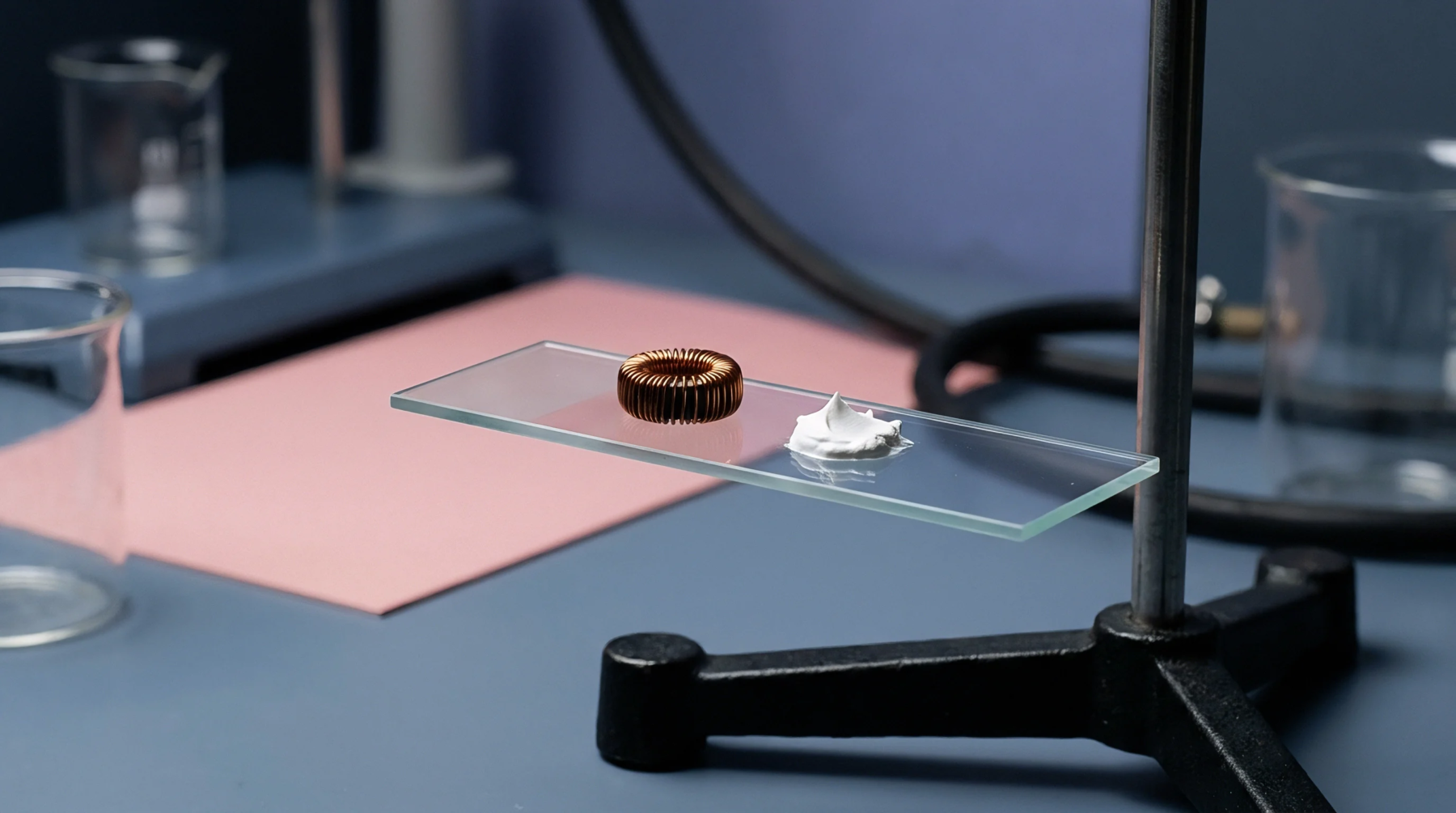
Secondary heat exposure thickens brittle interfacial intermetallics and coarsens grain structure, requiring strict peak profile caps during secondary passes.
Secondary heat exposure thickens brittle interfacial intermetallics and coarsens grain structure, requiring strict peak profile caps during secondary passes.

Vapor phase reflow uses condensing fluorochemical vapor to eliminate thermal mass deltas, holding peak temperatures at fluid boiling point to stop component overheating.
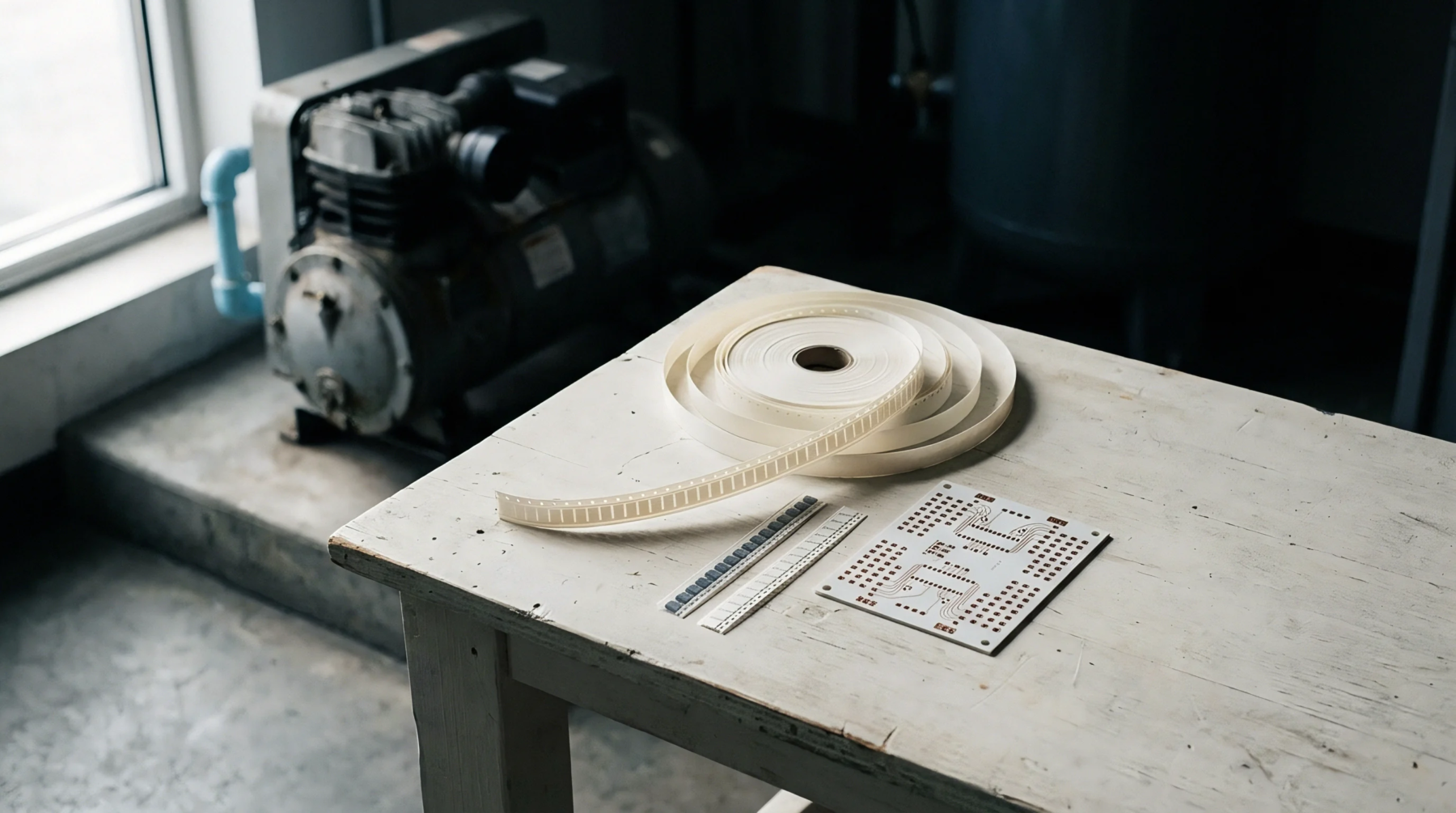
Vacuum reflow profiling requires aligning vacuum dwell fully inside liquidus while controlling depressurization rates to suppress voiding below five percent.

Calculate water vapor pressure across reflow temperatures to predict internal package stress and enforce J-STD-033 bake limits before moisture rips packages apart.

Tuning convective gas velocity compresses boundary layers on heavy panels, shrinking delta T without scorching edges or dislodging miniature components.
Thick copper power board reflow demands extended soak plates and vacuum liquidus dwells to bridge extreme component mass differentials and eliminate joint voids.
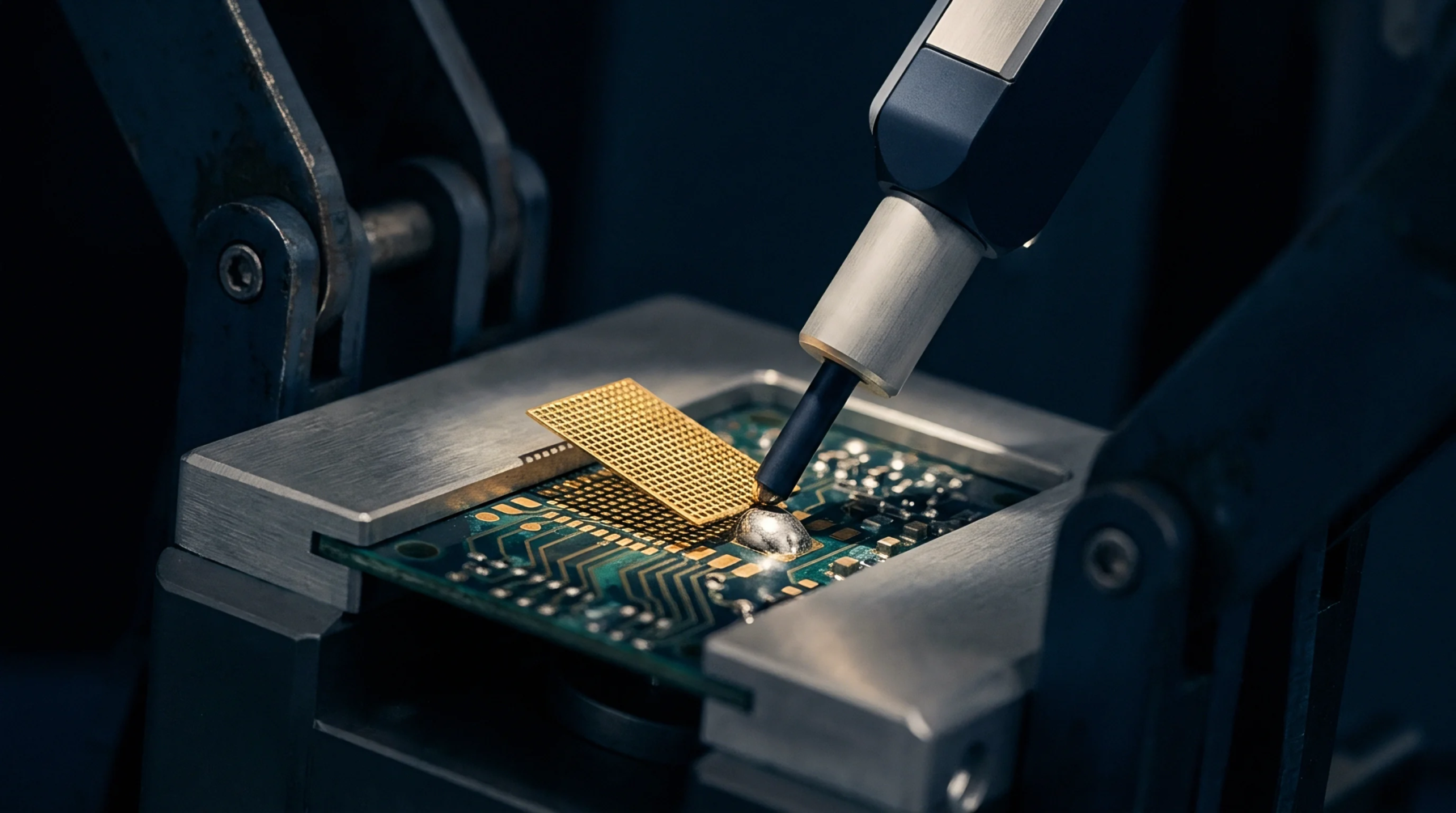
Optimizing reflow profiles requires balancing soak duration and cooling rates to minimize voiding, warpage, and brittle intermetallic growth.
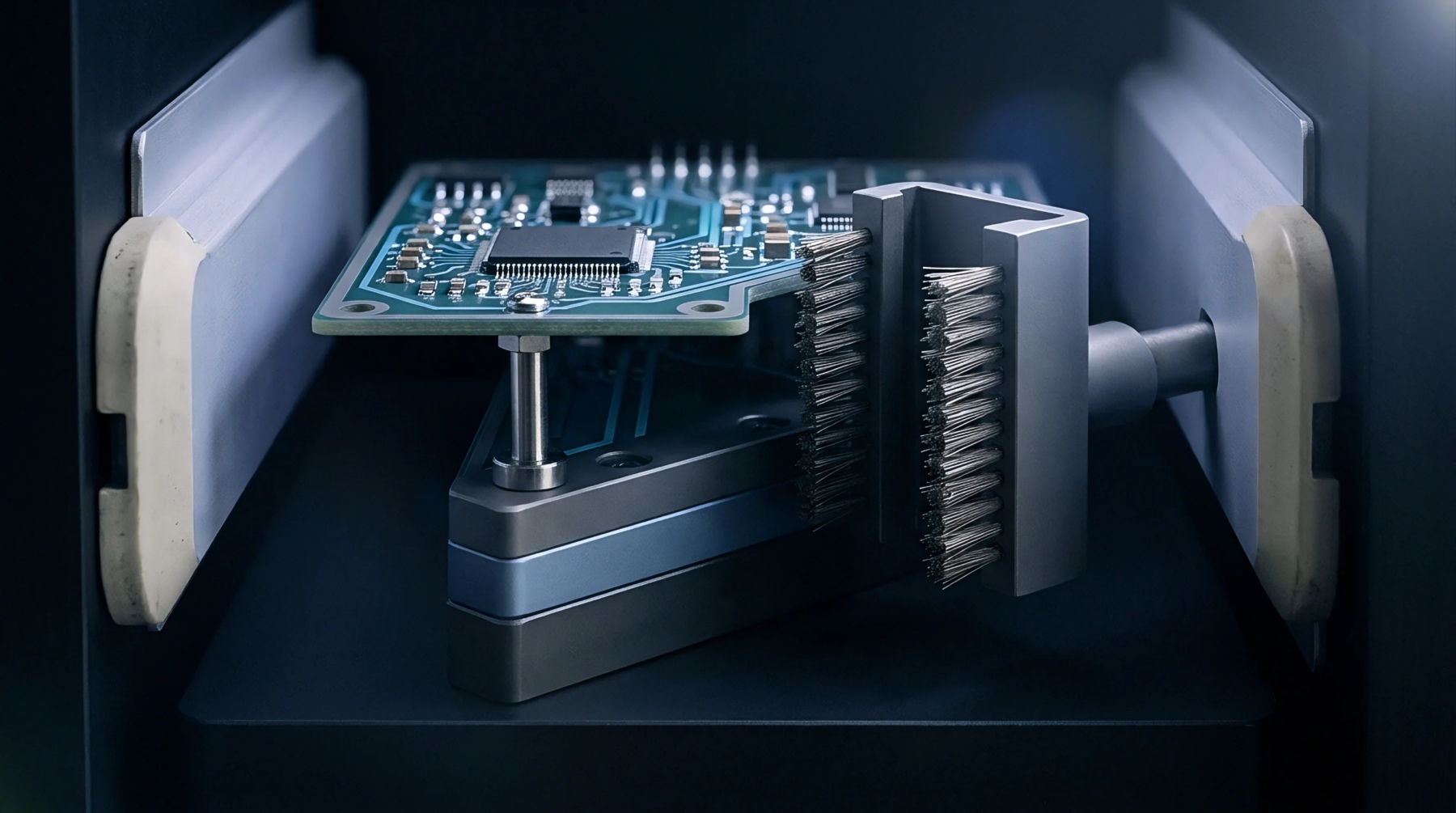
Standby line charges for micro BGA halts belong to the party whose material or process caused the stoppage, proven by machine logs and paste inspection data.
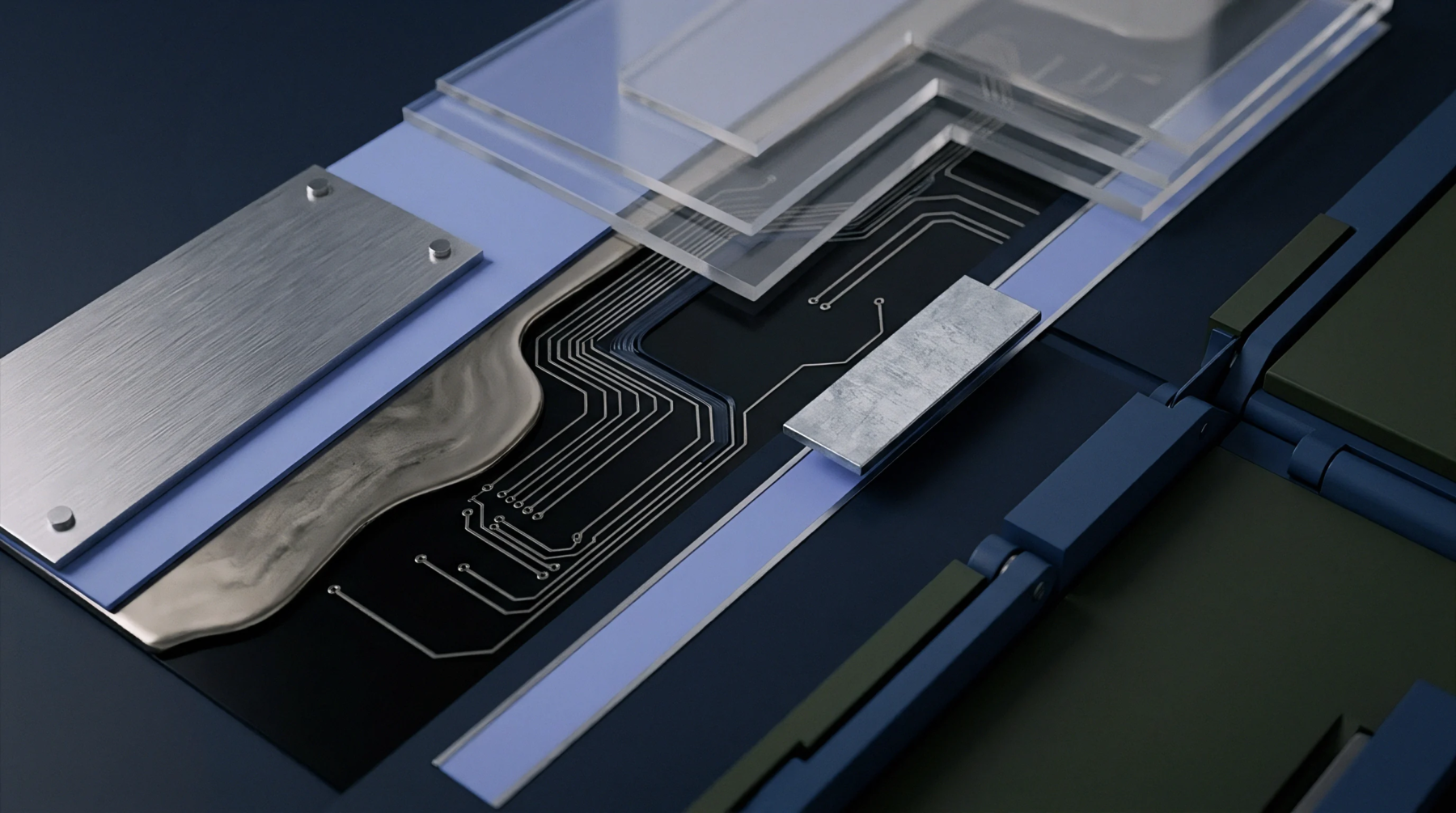
Radiographic inspection qualifies hidden bottom-terminated joints through calibrated photon absorption, measuring void percentages and wetting without sightlines.
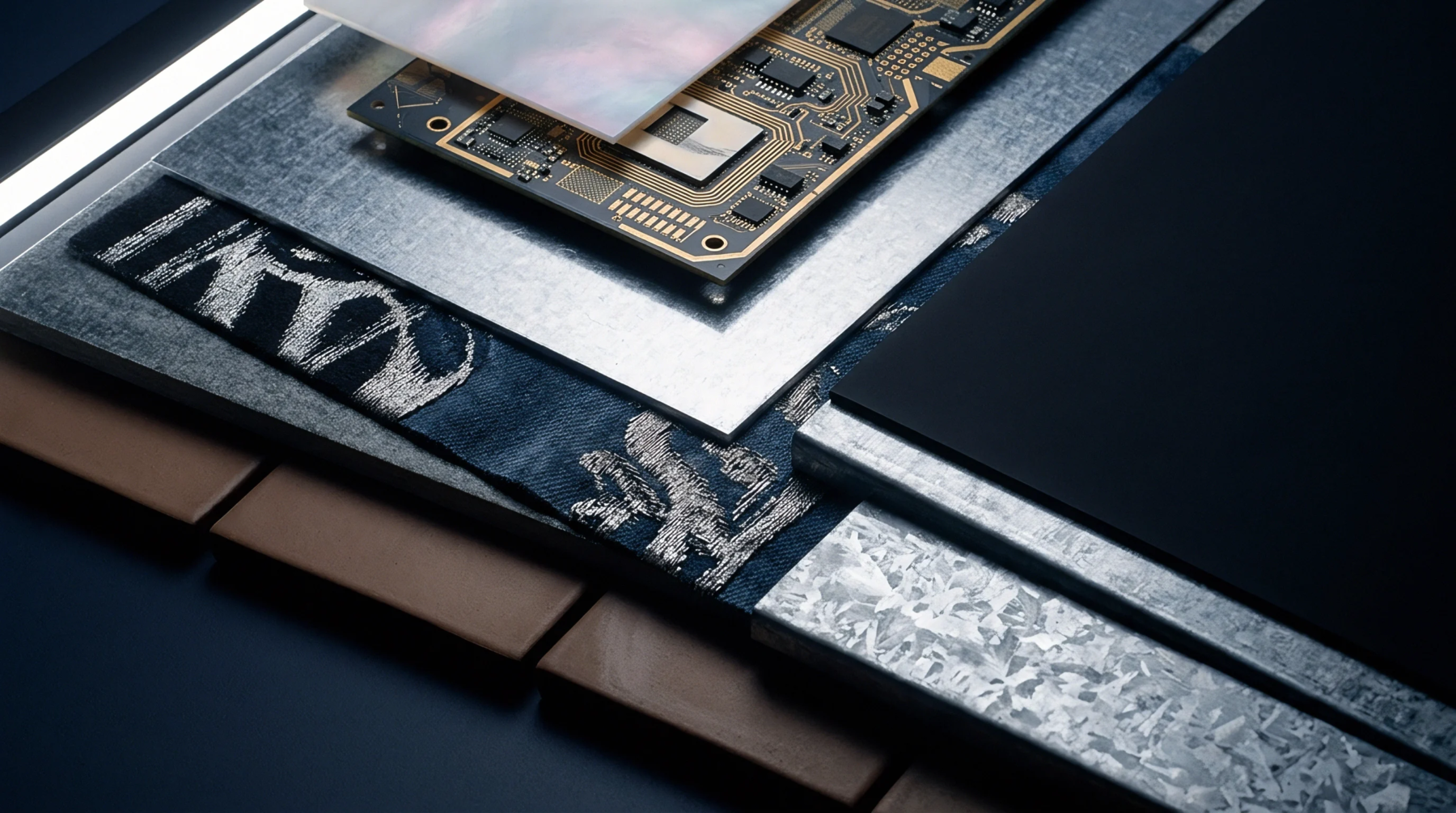
Statistical inspection bounds govern defect escape rates, defining commercial liability boundaries and scrap allocation across surface mount assembly lines.

Thermogravimetric derivative mass loss peaks above liquidus reveal trapped volatile kinetics causing large area die voiding during reflow.

AS6081 analytical screening prevents gray-market component defects from causing SMT downtime and joint failures through targeted non-destructive and laboratory tests.

Forced convective reflow on heavy mass surface mount panels demands extended soak zones, elevated fan velocities, and adjusted paste deposition to ensure total reflow without scorching thin components.
Maintaining secondary clearance spacing above component height ratios prevents convective shadowing and stops inverted solder joint remelt detachment during reflow.

Contractual SMT yield indemnification defines financial remedies for scrap exceeding baseline thresholds by isolating line defects from component defects.

Quantifying solder paste solvent evaporation rates in reflow profiles prevents micro-boiling, solder ball spattering, and excessive voiding beneath BTCs.
Thermal defect attribution in mixed consigned assembly requires combining profile logs, 3D X-ray data, and MSL handling records to split material and process liability.

Automated optical and X-ray line qualification holds enforce physical line stops, lot containment, and statistical re-proof before production can resume.
Class 3 line qualification demands paste measurement, thermal profiling, microsection verification, and first-article sign-off before production release.
Expertise is a utility, not a secret. sentiention™ publishes its working knowledge as open reference: intelligence layer covering the materials it sources, the markets it enters, and the reference that serves both.