Alloy Designation
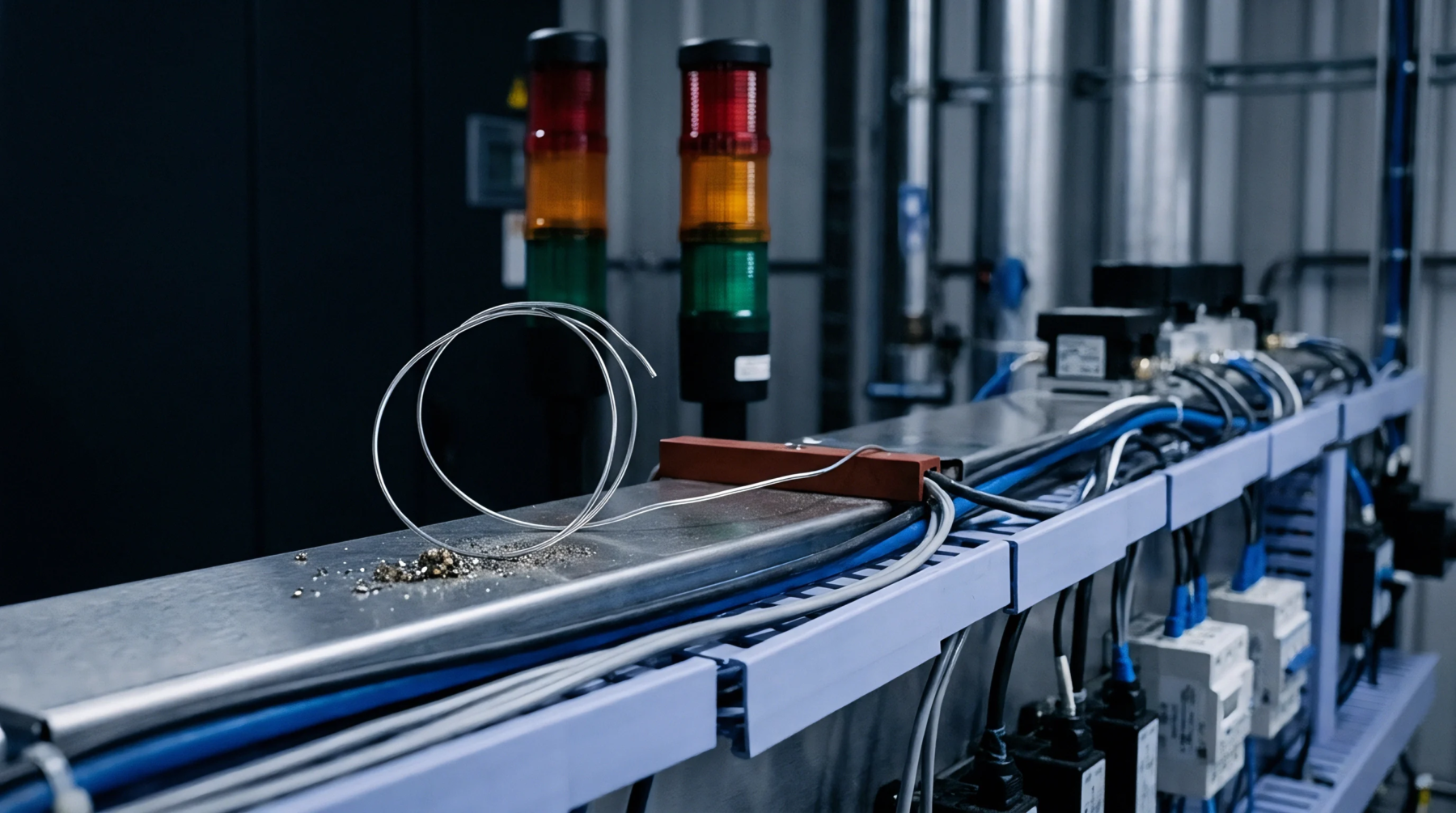
Metal formulations operating below standard reflow thresholds belong to low temperature solder, an alloy class formulated for thermal protection during surface mount placement. Bismuth tin mixtures typically melt around one hundred thirty-eight degrees Celsius, reducing peak temperature exposure for heat sensitive components during secondary assembly passes. Higher tin lead percentages shift boundaries upward toward one hundred eighty-three degrees Celsius, maintaining traditional mechanical resilience while protecting underlying substrates from warpage.
Thermal Processing
Board fabricators apply low temperature solder within convection reflow ovens to prevent delamination of multi layer printed circuit boards that suffer degradation under conventional twenty-six hundred degree intervals. Reduced peak profiles prevent thermal fatigue on delicate semiconductor packages and optical modules housed nearby on the assembly layout. Subsequent cooling stages solidify joints rapidly, minimizing intermetallic layer growth that otherwise causes joint brittleness over extended operational lifetimes.
Joint Verification
Quality inspectors evaluate low temperature solder joints using automated X ray inspection systems to detect voiding anomalies caused by rapid volatile release during reflow. Shear strength testing determines structural integrity against mechanical shock, establishing acceptance thresholds for consumer electronics and automotive control modules alike. Non destructive acoustic microscopy exposes internal micro cracks originating from differential thermal expansion between dissimilar metals across the joint interface.