Failure Condition
Separation at the atomic or molecular boundary between two distinct materials occurs when adhesion forces drop below the loads applied during operation or manufacturing. Interfacial delamination describes this loss of bond integrity between layers, such as those found between a laminate substrate and a copper trace or between a molding compound and a semiconductor package. Moisture absorption frequently weakens these connections because water molecules displace polymer chains at the site.
Thermal expansion differences further aggravate the condition during reflow cycles by putting mechanical strain on the weakened junction.
Detection Protocol
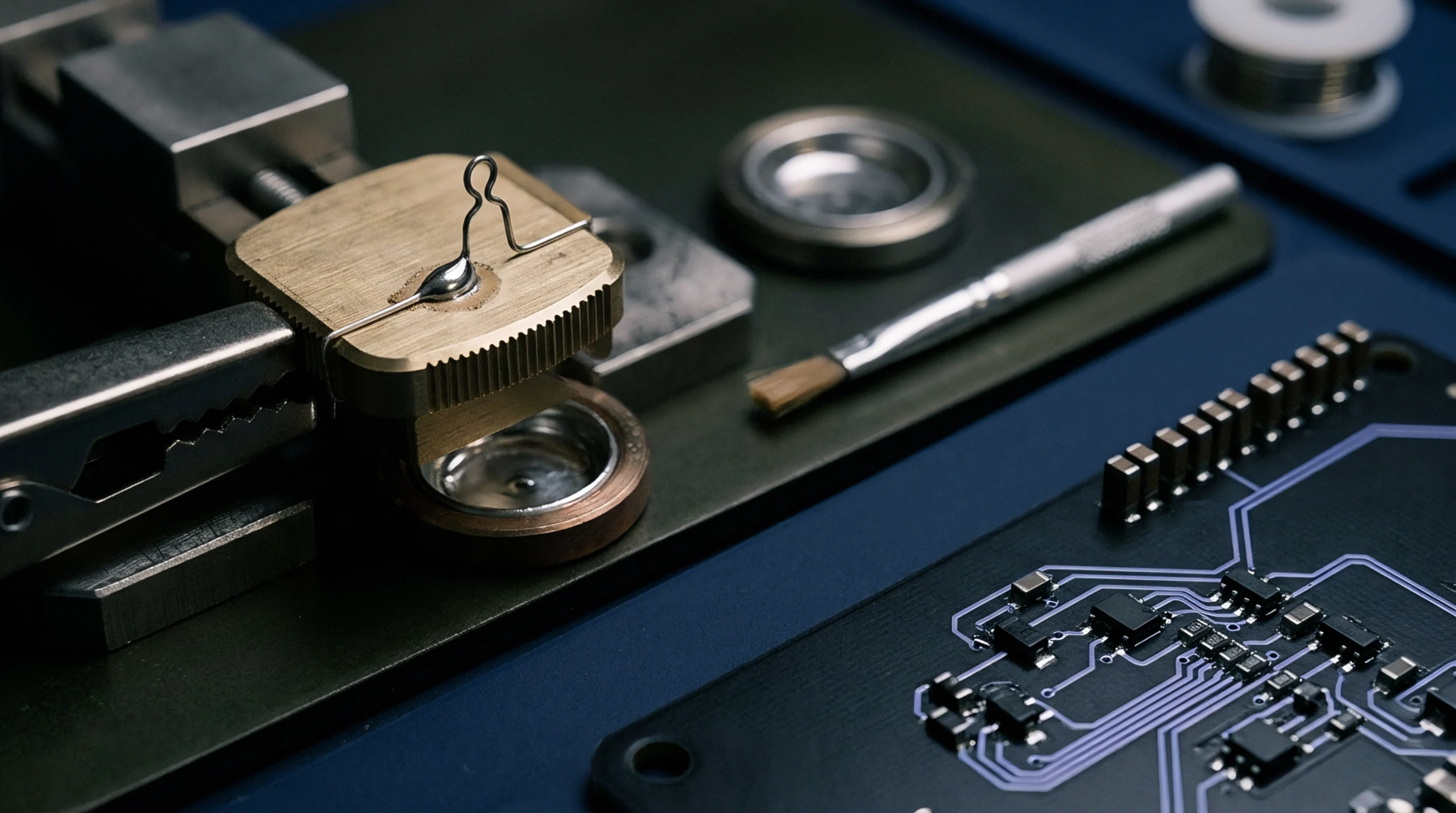
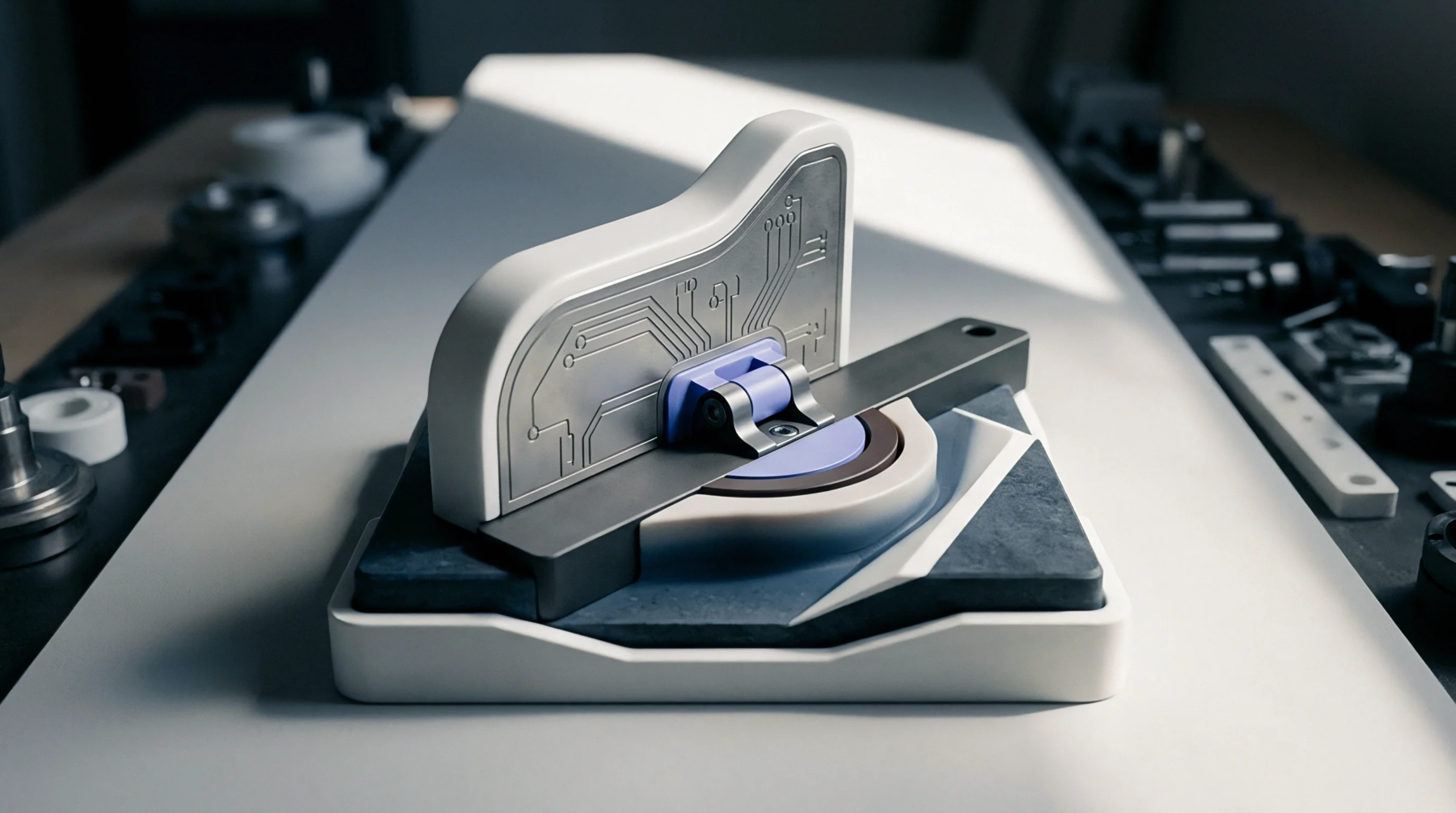
Acoustic microscopy scans these internal gaps by measuring how ultrasonic waves reflect from density changes within the volume. Cross-section analysis verifies the defect visually once the assembly is mounted in a potting medium and ground to the area of interest. Shear testing subjects the joint to mechanical displacement to measure the load capacity before the surface separates.
These methods identify voids before they grow into failures that disrupt electrical conductivity.
Mechanism Impact
Reliability testing focuses on temperature cycling because rapid heating and cooling cycles drive crack propagation across weak boundaries. Micro-cracks initiate at sharp corners where stress concentrates during solder reflow or power cycling. Moisture ingress through the surrounding package plastic accelerates the chemical degradation of the interface.
This form of degradation eventually destroys the conductive pathway or allows corrosive contaminants to enter the sensitive circuitry. ~