Environmental Permeability
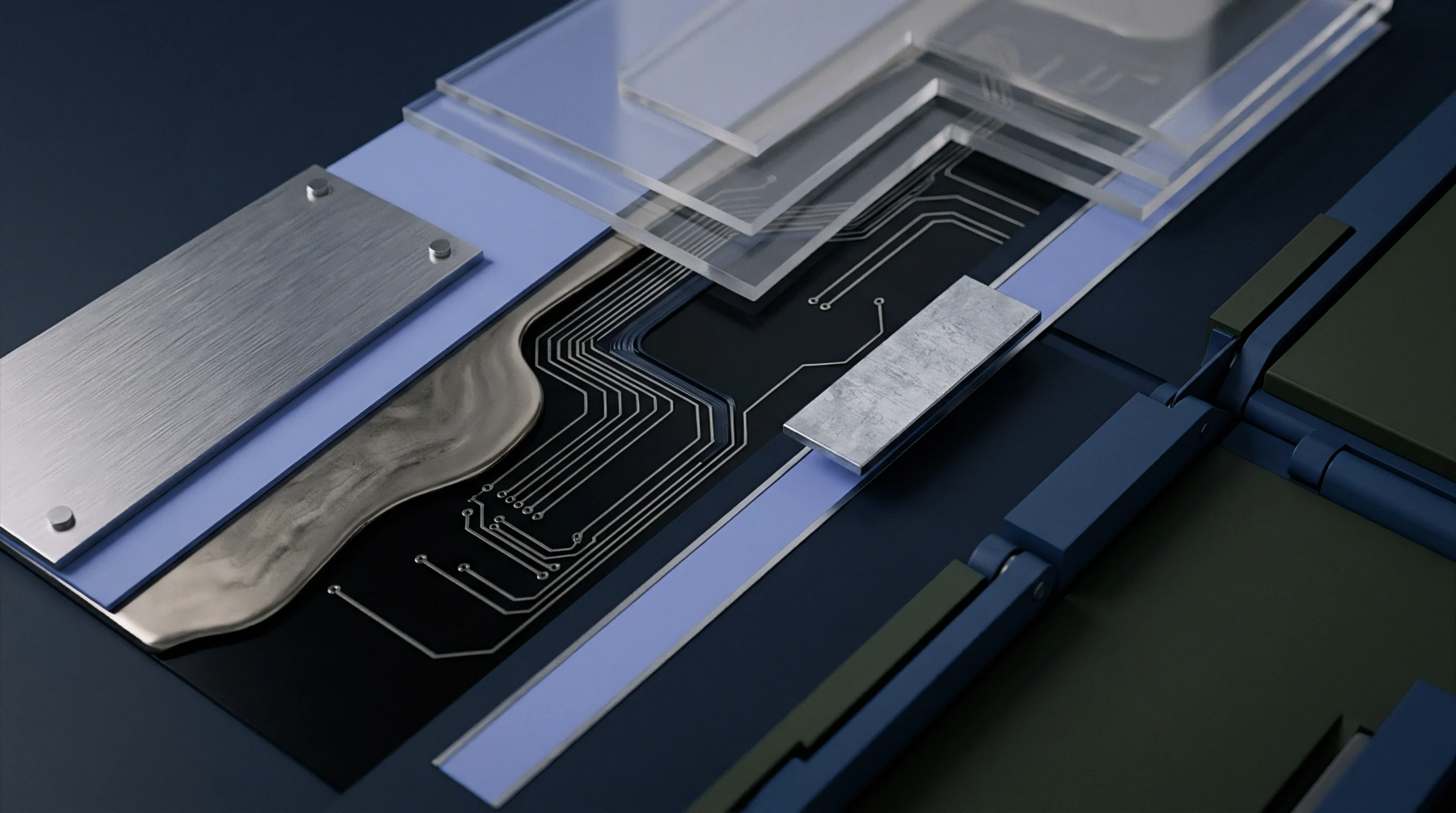
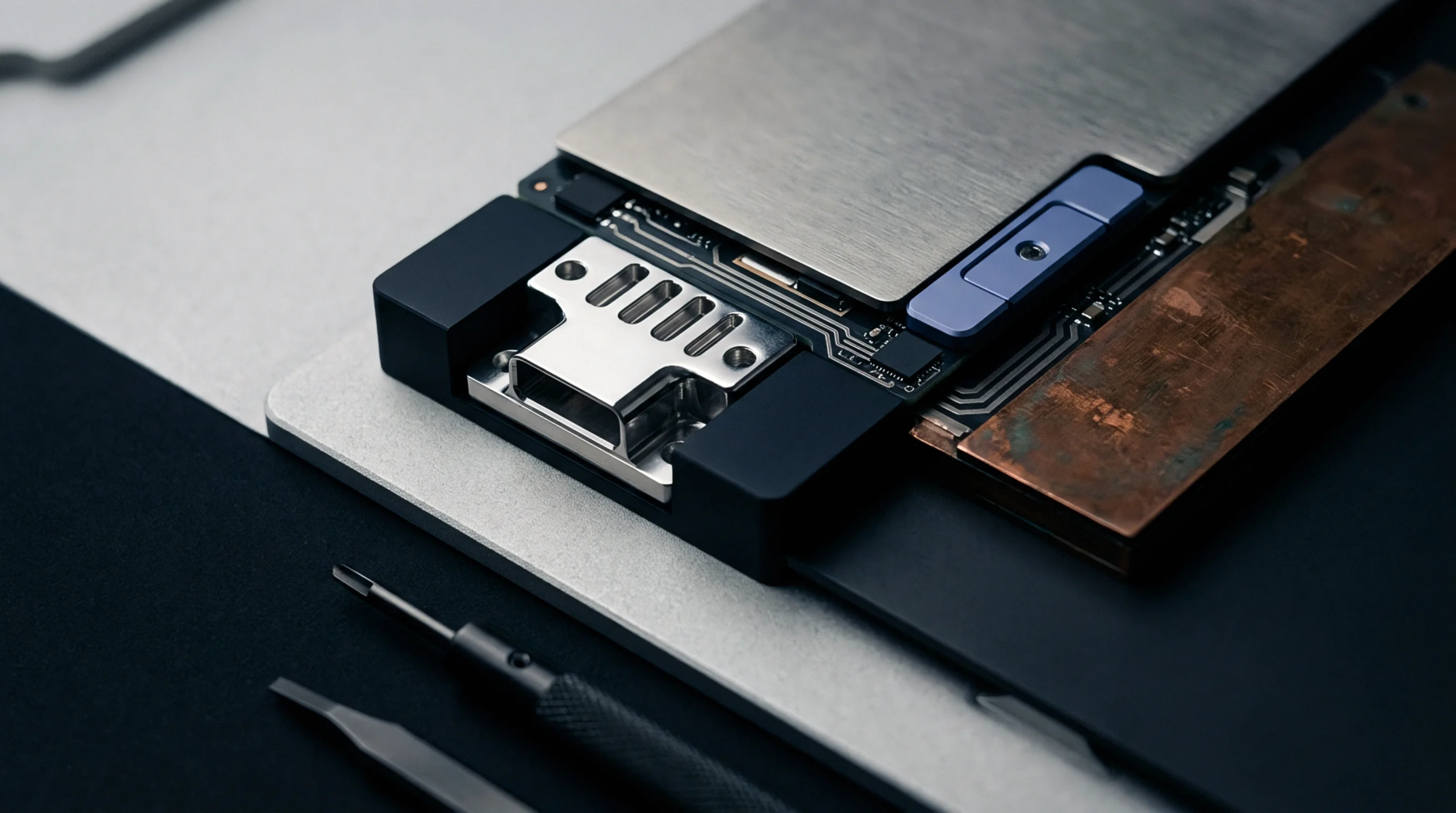
Atmospheric humidity travels into porous polymer substrates through capillary action and vapor pressure gradients. Moisture ingress describes the migration of water molecules from an exterior climate into the internal structure of printed circuit boards. Polymers used in circuit board fabrication attract and retain water, which alters the dielectric constant and electrical resistance of the assembly.
Contamination through this process creates conductive paths that lead to shorts or insulation resistance degradation during operation.
Performance Consequences
Chemical breakdown occurs when accumulated water reacts with flux residues left after soldering. Moisture ingress promotes the growth of metallic dendrites across energized traces while accelerating the corrosion of copper leads. Layers within a multi-layer board face delamination risks when rapid heating during reflow soldering turns trapped water into steam.
Vapor pressure inside the substrate forces gaps between resin and glass fiber layers, damaging the structural integrity of the laminate.
Testing Protocols
Accelerated aging chambers simulate long-term field exposure by maintaining specific temperature and relative humidity levels over extended periods. Industry standards mandate weighing samples before and after testing to quantify the amount of water absorbed as a percentage of the total mass. Technicians perform dielectric withstanding voltage tests post-exposure to determine if internal water accumulation has compromised the electrical insulation of the board.
Proper baking cycles reduce absorbed water content before soldering to prevent catastrophic delamination failure during high temperature assembly processes.