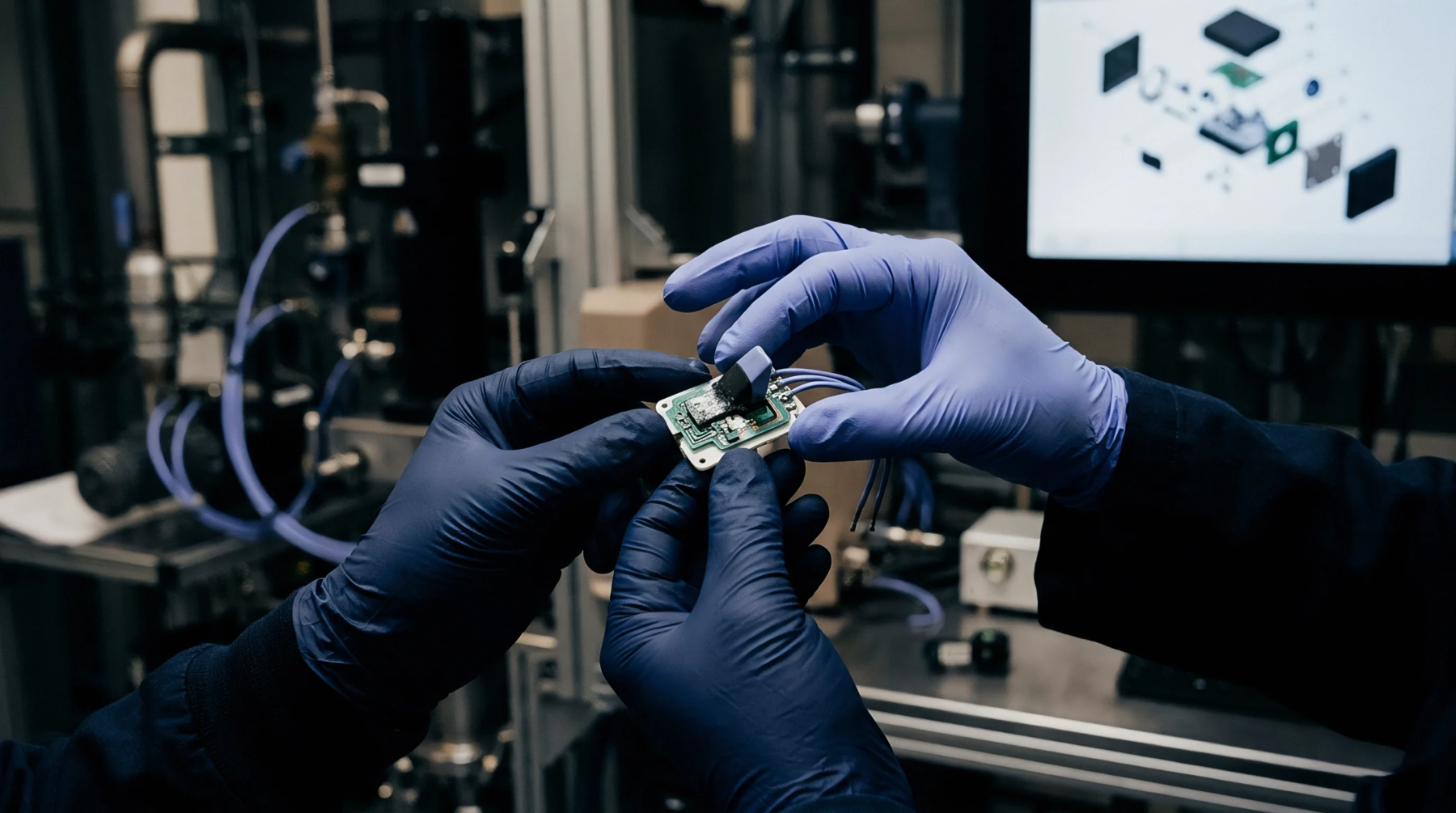
Thermogravimetric Verification of Flux off Gassing Rates to Mitigate Voiding under Large Area Die Components
Thermogravimetric derivative mass loss peaks above liquidus reveal trapped volatile kinetics causing large area die voiding during reflow.
Thermogravimetric derivative mass loss peaks above liquidus reveal trapped volatile kinetics causing large area die voiding during reflow.
Matching reflow soak durations to flux solvent evaporation rates eliminates sub-component pressure spikes and drops QFN thermal pad voiding below ten percent.
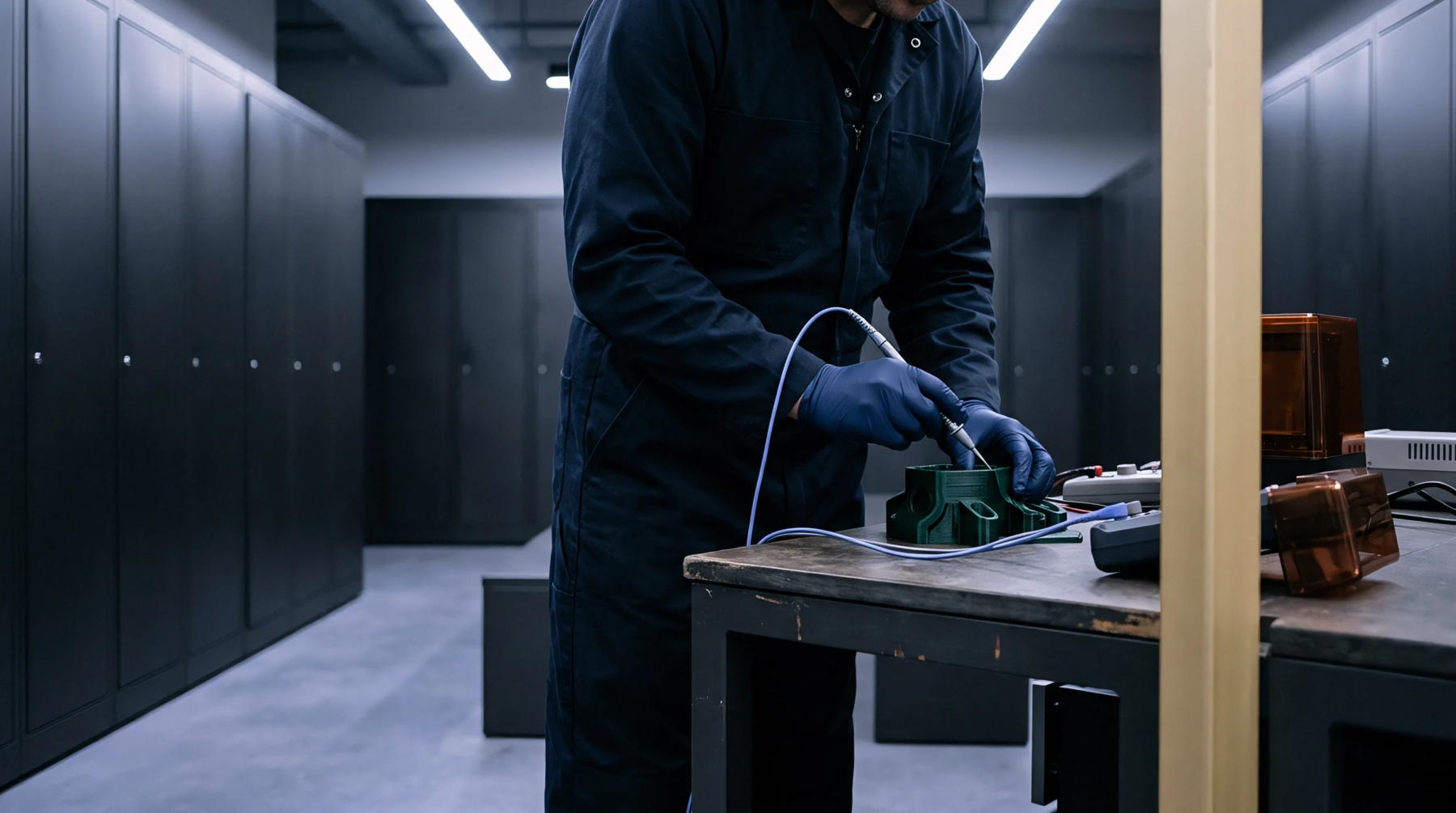
Vacuum reflow liquidus dwell lowers nucleation kinetic barriers by depressurizing molten solder, forcing microvoid expansion and surface escape.
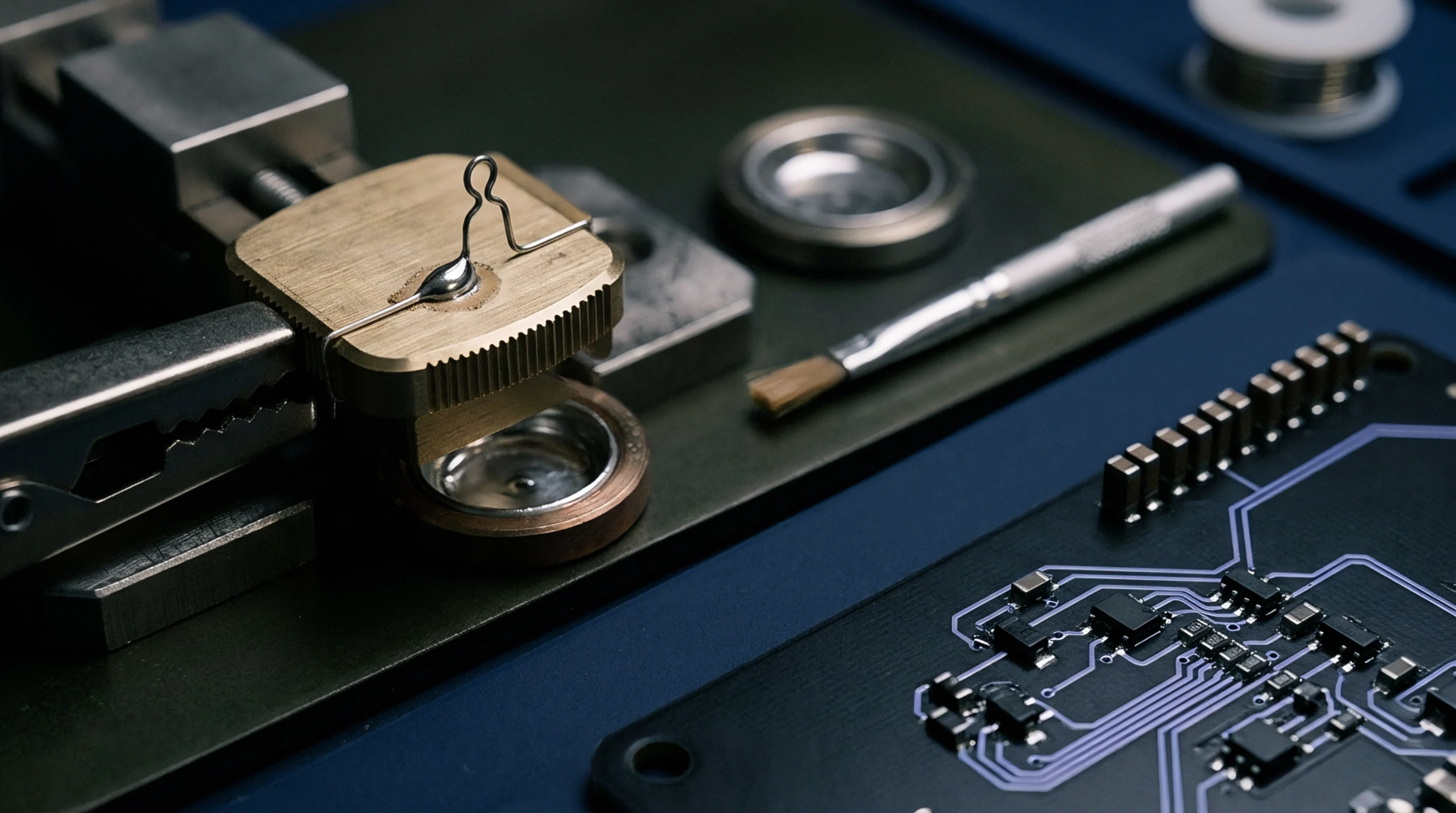
Sub-atmospheric pressure profiling reduces bottom-terminated component voiding below 5% by expanding and evacuating trapped flux gases during liquidus.
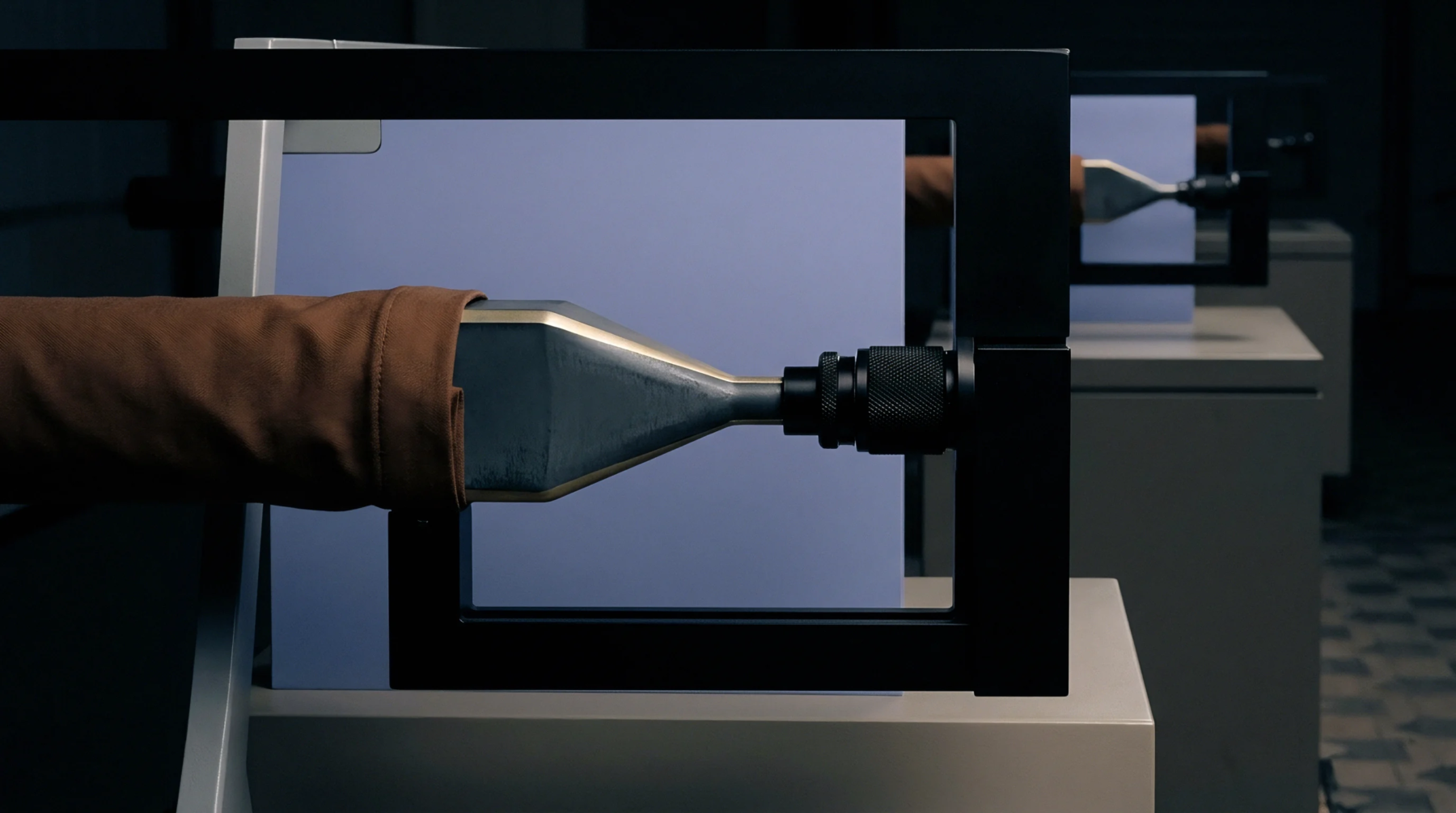
Profiling variable weight copper stackups requires extended soak dwell and high gas velocity to equalize thermal delta across light pads and heavy ground planes.

Non-destructive verification of blind thermal via fill requires 3D computed laminography to isolate inner-layer solder volume through heavy copper planes.
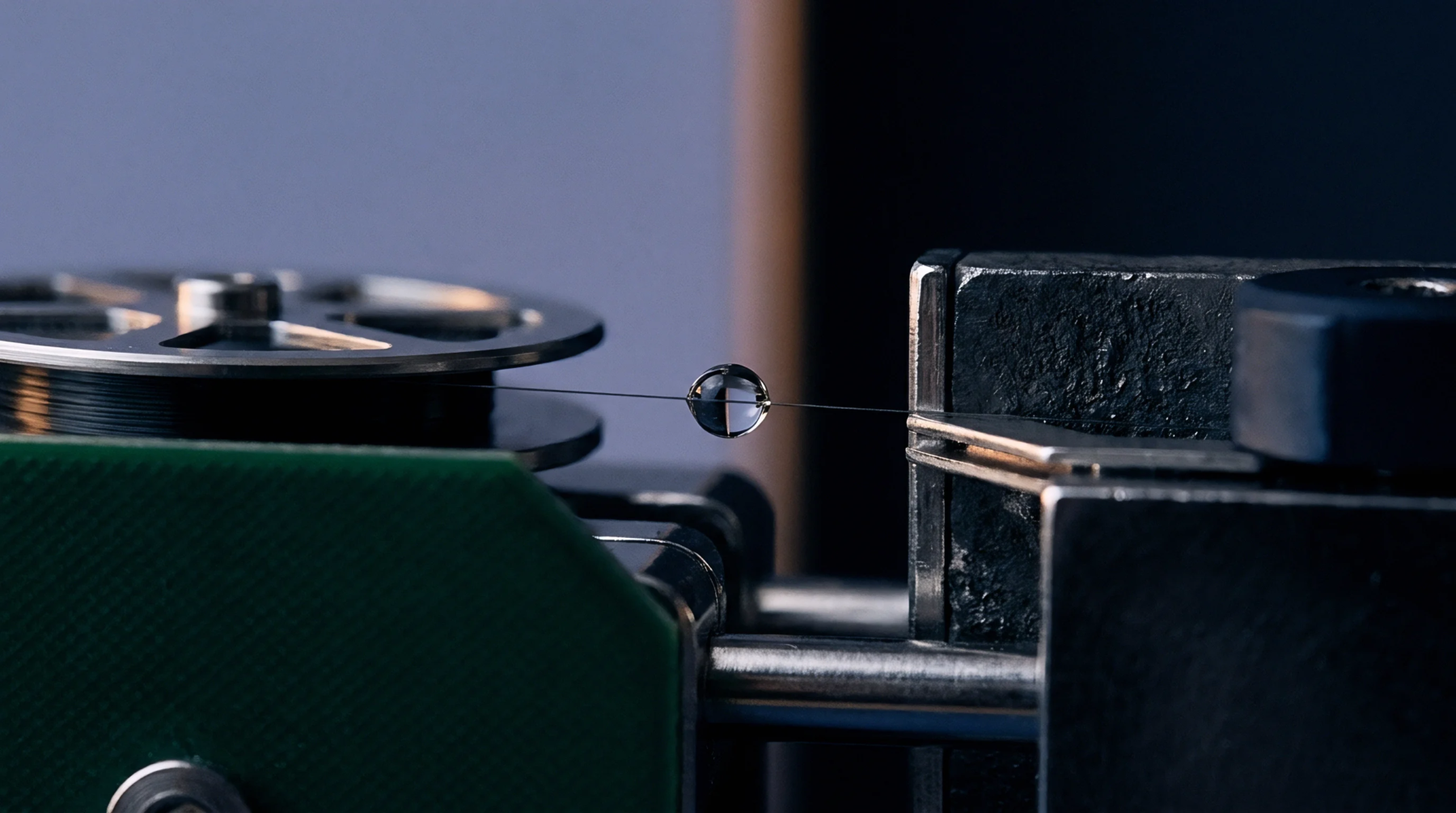
Sub-atmospheric vacuum reflow during liquidus dwell extracts entrapped flux solvent gases, reducing BGA solder joint void area to under five percent.
Expertise is a utility, not a secret. sentiention™ publishes its working knowledge as open reference: intelligence layer covering the materials it sources, the markets it enters, and the reference that serves both.