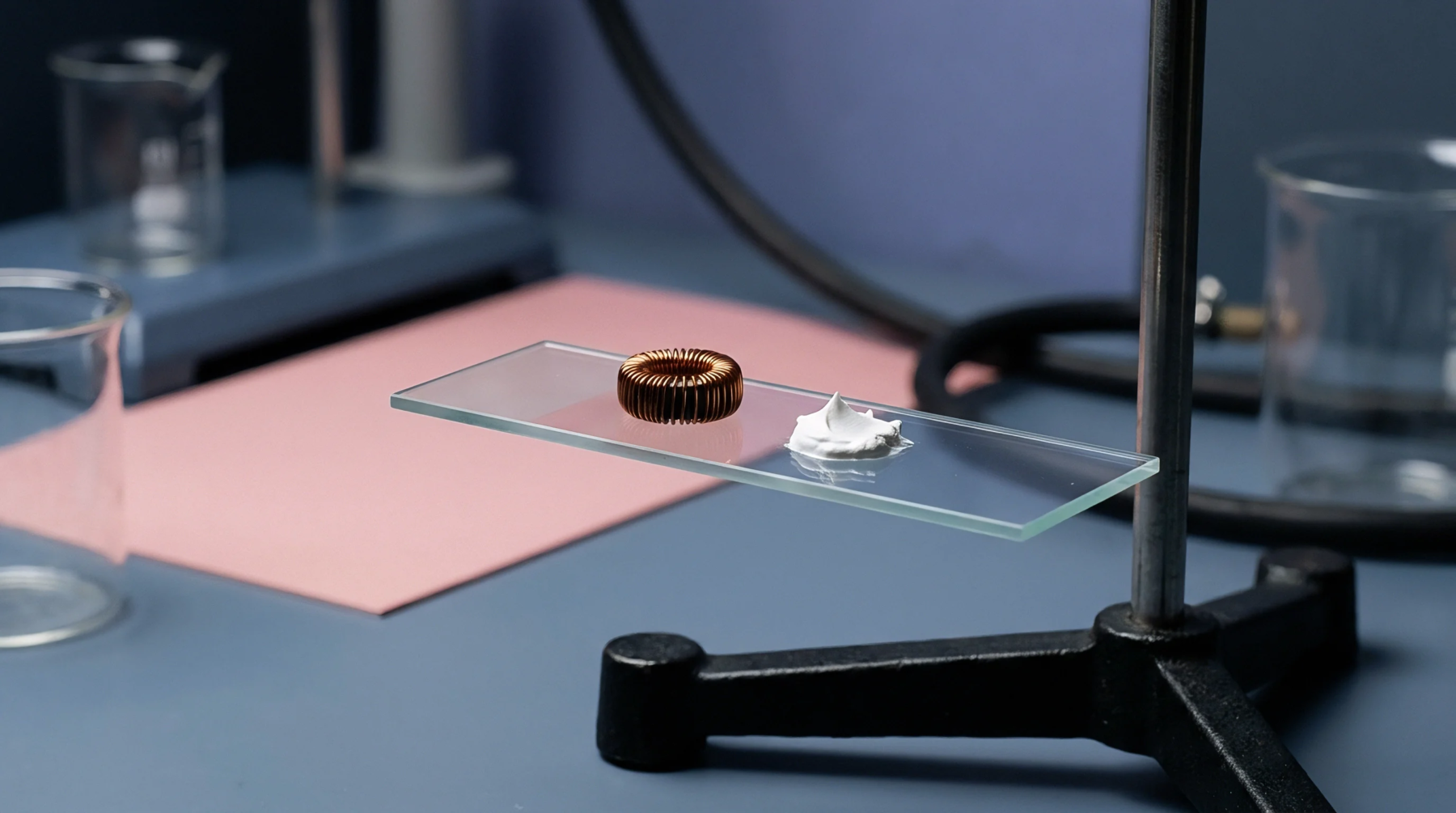
Automated X-Ray Magnification Correction in High Density Assembly Inspection
Dynamic X-ray magnification correction resolves board warp scaling errors to deliver accurate sub-millimeter joint volume and void metrics in high-density builds.
Dynamic X-ray magnification correction resolves board warp scaling errors to deliver accurate sub-millimeter joint volume and void metrics in high-density builds.

DSC solvent evaporation endotherms set strict SMT preheat soak limits to clear high-boiling flux carriers before alloy reflow prevents joint voiding.
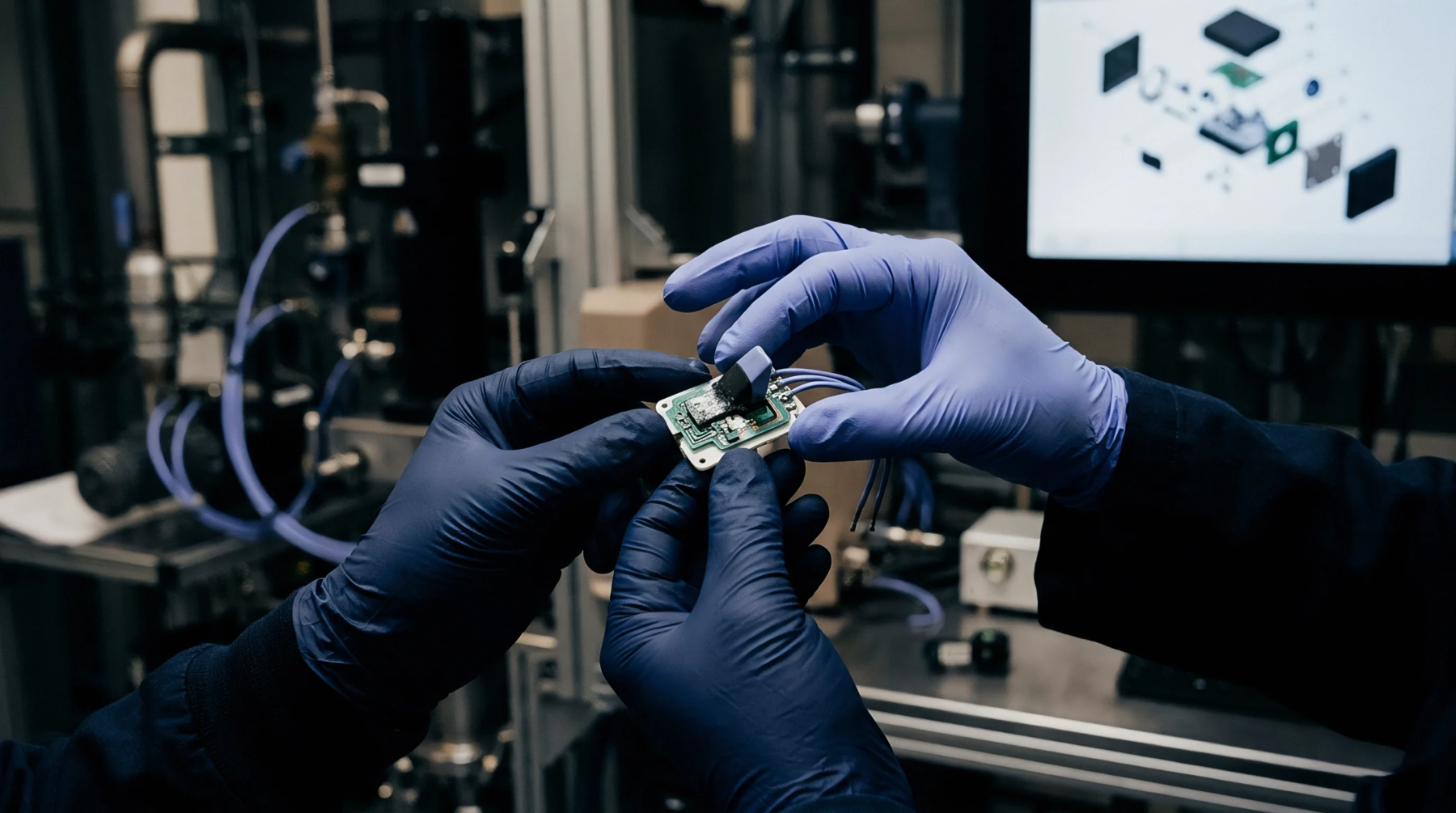
Thermogravimetric derivative mass loss peaks above liquidus reveal trapped volatile kinetics causing large area die voiding during reflow.

Micro-aperture solder paste transfer efficiency demands electroformed or nanocoated stencils, Type 5 powder, and strict 3D inspection controls below 0.55 area ratios.

Vacuum reflow liquidus dwell lowers nucleation kinetic barriers by depressurizing molten solder, forcing microvoid expansion and surface escape.

Sub-atmospheric pressure profiling reduces bottom-terminated component voiding below 5% by expanding and evacuating trapped flux gases during liquidus.

Inline X-ray system re-qualification relies on statistical limits derived from detector drift and grey-scale stability rather than arbitrary time intervals.

Reducing thermal gradients across multi-layer assemblies requires balancing inner copper mass, profiling zone dwell times, and applying rigid carrier support.
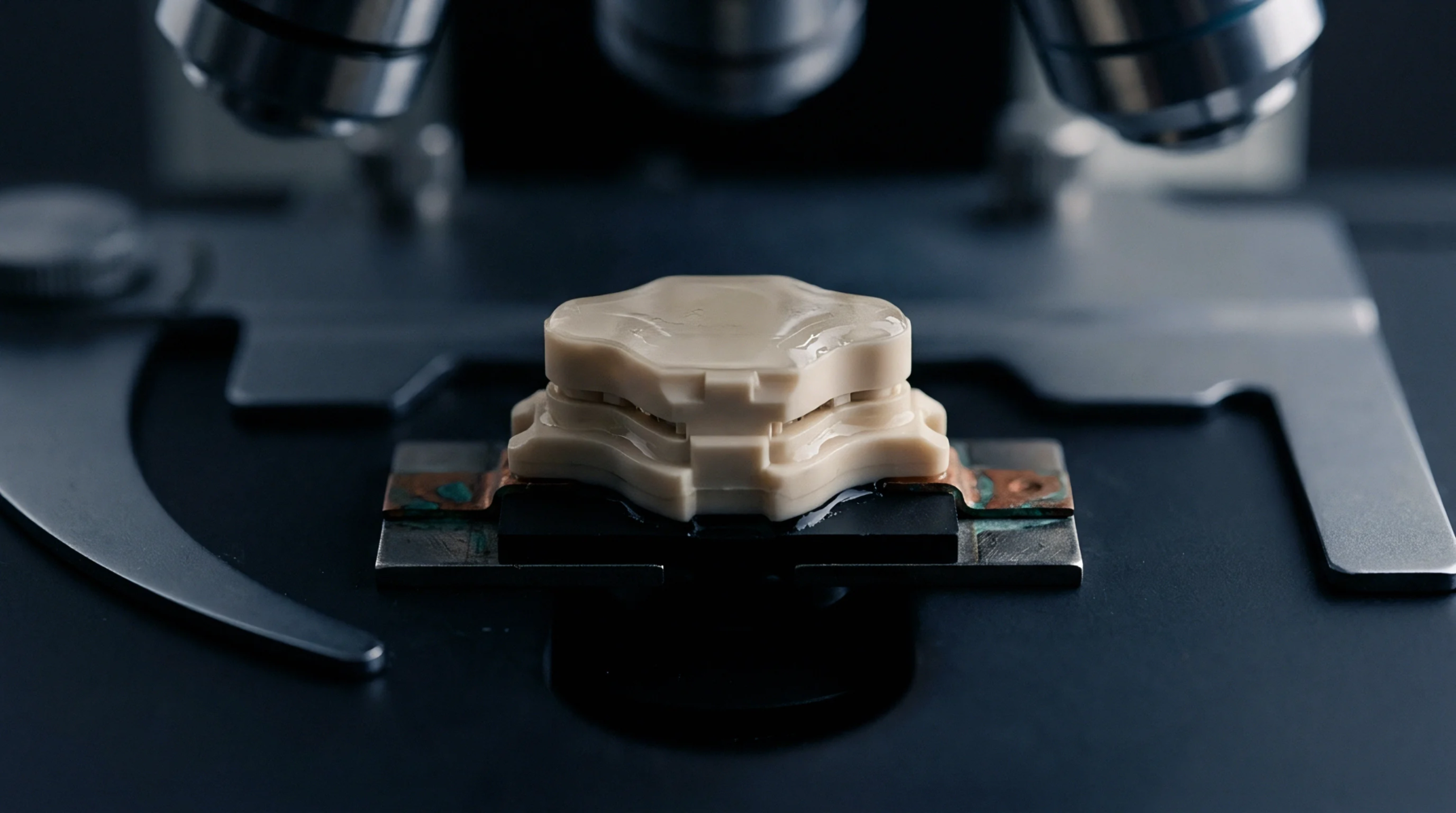
Automated inspection hold triggers halt surface mount lines on consecutive statistical defects, preventing costly scrap propagation and hidden interconnect failure.

Thermogravimetric solvent mass loss below half a percent prior to liquidus eliminates outgassing macro-voids under bottom-terminated components.

Quantifying solder paste solvent evaporation rates in reflow profiles prevents micro-boiling, solder ball spattering, and excessive voiding beneath BTCs.
Automated optical and X-ray line qualification holds enforce physical line stops, lot containment, and statistical re-proof before production can resume.

Optimal SMT yield requires matching paste shear-thinning rheology with stencil area ratios above 0.66 and reflow profiles holding peak temperatures within 5°C.
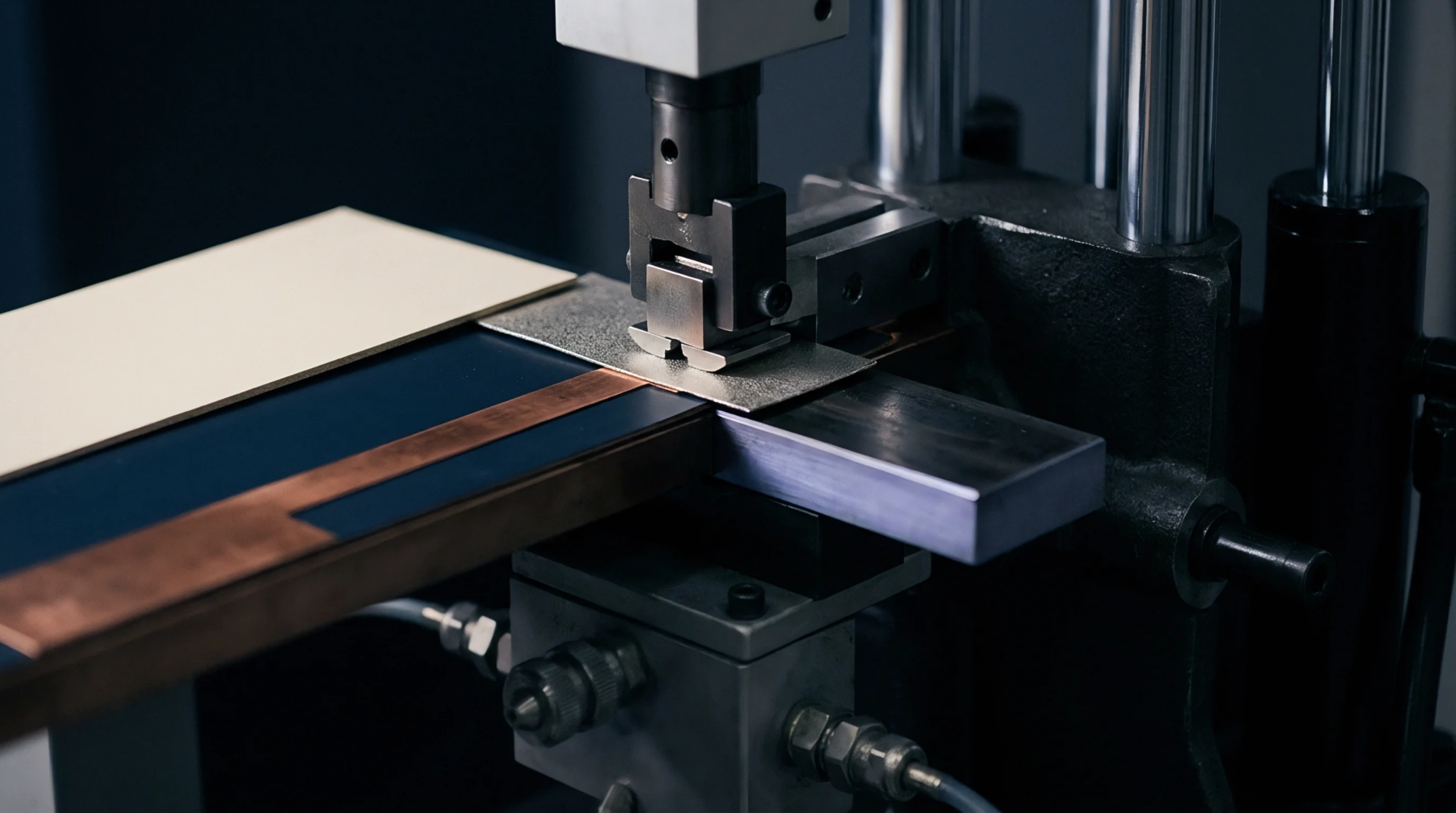
Class 3 line qualification demands paste measurement, thermal profiling, microsection verification, and first-article sign-off before production release.

Lead-free alloy attenuation shifts require recalibrating X-ray tube parameters and grey-scale thresholds to ensure accurate void measurement and line yield.
Setup hours in small batch assembly represent fixed feeder loading, stencil alignment, and inspection programming costs that dominate unit landed pricing.
AOI earns its place on an SMT line only when false calls stay below 200 PPM, preventing operator fatigue and protecting manual retouch benches from destroying good joints.
Expertise is a utility, not a secret. sentiention™ publishes its working knowledge as open reference: intelligence layer covering the materials it sources, the markets it enters, and the reference that serves both.