Vapor Release
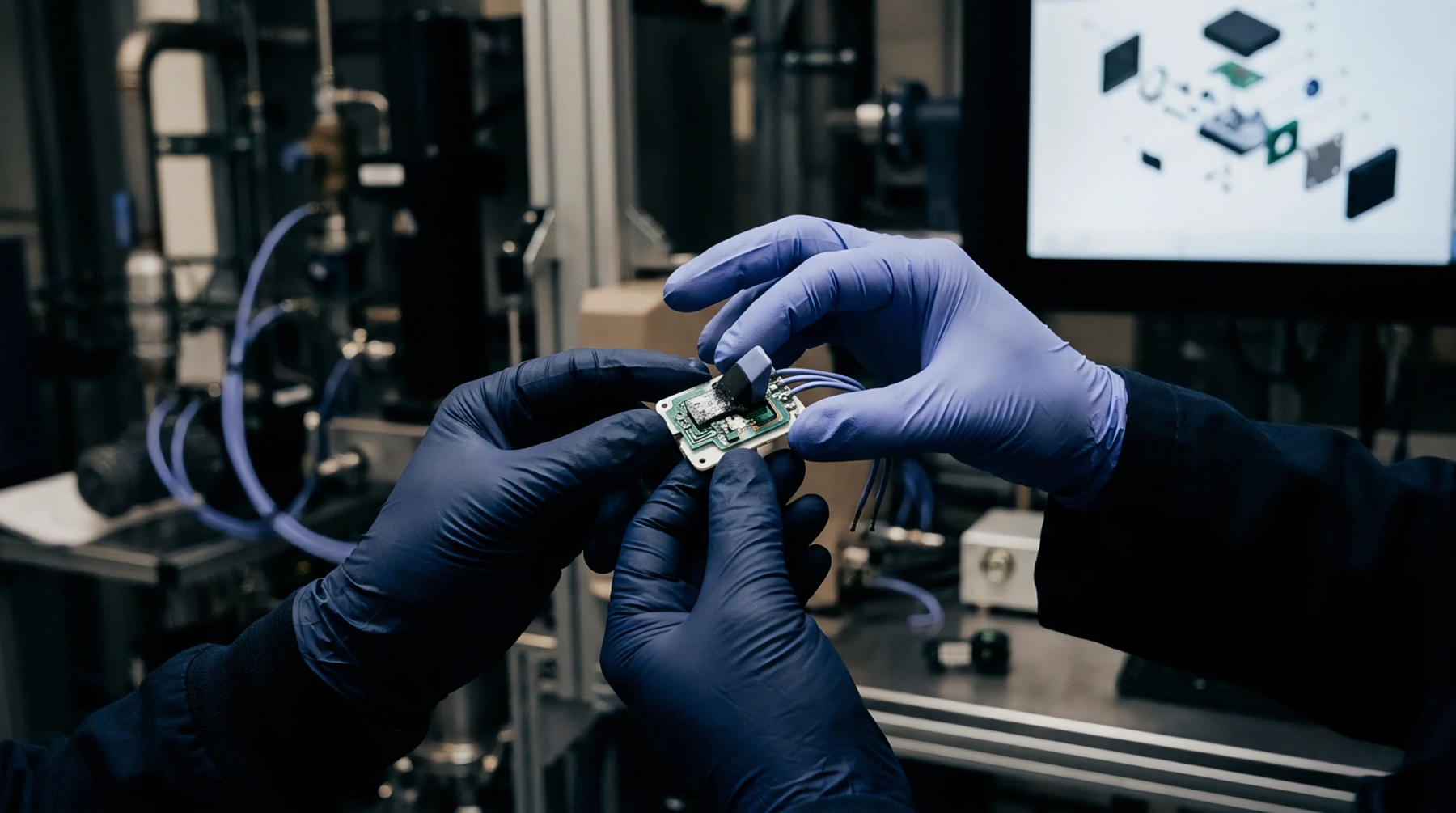
The velocity at which volatile compounds evaporate from a soldering flux during the preheating and reflow phases determines the formation of void defects in electronic joints. The flux off gassing rate measures this vapor release over time as a function of thermal input. Controlling this parameter prevents the sudden expansion of gas from being trapped inside the solidifying solder joint.
Thermal Profiling
Solder paste contains solvent carriers that must be driven off before the alloy reaches its melting point. If the flux off gassing rate is too high during the liquidus phase, the escaping gas cannot escape the molten metal, resulting in internal voids or solder ball spattering. Technicians modify the preheat duration and ramp-to-spike profiles to allow these solvents to evaporate gradually.
This slow drying phase ensures that most of the volatile content has escaped before the solder becomes liquid. It also prevents the displacement of small surface-mount components by the force of rapidly escaping gas bubbles.
Equipment Maintenance
Residues from evaporated fluxes can collect on cold surfaces inside convection reflow ovens. A high flux off gassing rate accelerates the accumulation of these synthetic residues on the oven panels and cooling zones. Regular cleaning is necessary to prevent these condensed liquids from dripping back onto active circuit boards.