Setting Stencil Paste Volume Hold Boundaries in Automated Inspection Systems
Setting automated solder paste inspection hold boundaries requires balancing transfer efficiency limits against component pad density to control false calls.
Setting automated solder paste inspection hold boundaries requires balancing transfer efficiency limits against component pad density to control false calls.

Minimizing assembly thermal gradients demands balanced board copper, tuned oven convection, and zoned soak profiles to shrink array temperature differentials.
Substrate thermal distortion stems from CTE mismatch and copper asymmetry, requiring tight dynamic warpage limits and carrier tooling to protect joint yield.

Micro-aperture solder paste transfer efficiency demands electroformed or nanocoated stencils, Type 5 powder, and strict 3D inspection controls below 0.55 area ratios.
Fine pitch stencil printing stability drops sharply below 0.50 area ratio, requiring Type 5 powder, nano-coated apertures, and tight SPI volume limits.

Fine pitch SMT inspection requires combining 3D optical profilers with boundary scan and automated X-ray gates to catch hidden solder escapes before field deployment.
Profiling variable weight copper stackups requires extended soak dwell and high gas velocity to equalize thermal delta across light pads and heavy ground planes.

Combining IEEE 1149.6 boundary scan vectors with deflection-assisted flying Kelvin probes isolates unmasked BGA head-in-pillow defects down to 4.5 micro-ohms.

Optimized lead-free reflow profiling requires thermal deltas under eight degrees, controlled time above liquidus, and precise paste transfer efficiency.

Attributing intermittent BGA escapes requires pairing boundary scan fault coverage metrics with calibrated nanosecond discontinuity logging during line audits.

Reducing thermal gradients across multi-layer assemblies requires balancing inner copper mass, profiling zone dwell times, and applying rigid carrier support.
Optimize SAC305 reflow profiles between 235-248°C with 45-75s TAL and 3-5°C/s cooling to limit interfacial intermetallic growth and prevent brittle joint failure.
Allocate micro BGA line standby and rework exposure by binding hourly downtime tariffs and hot-gas rework liability directly to SPI, AXI, and feeder logs.

Resolving intermittent high speed signal integrity escapes requires pairing static boundary scan with embedded IJTAG at speed stress testing to catch dynamic physical layer failures.

Radiographic escape quantification requires correlating grey-scale attenuation thresholds with physical microsections to catch hidden non-wetting defects.

Electroformed nickel stencils lower aperture wall roughness below 0.08 µm Ra, enabling clean solder paste release at area ratios down to 0.50 for 0.3mm BGAs.
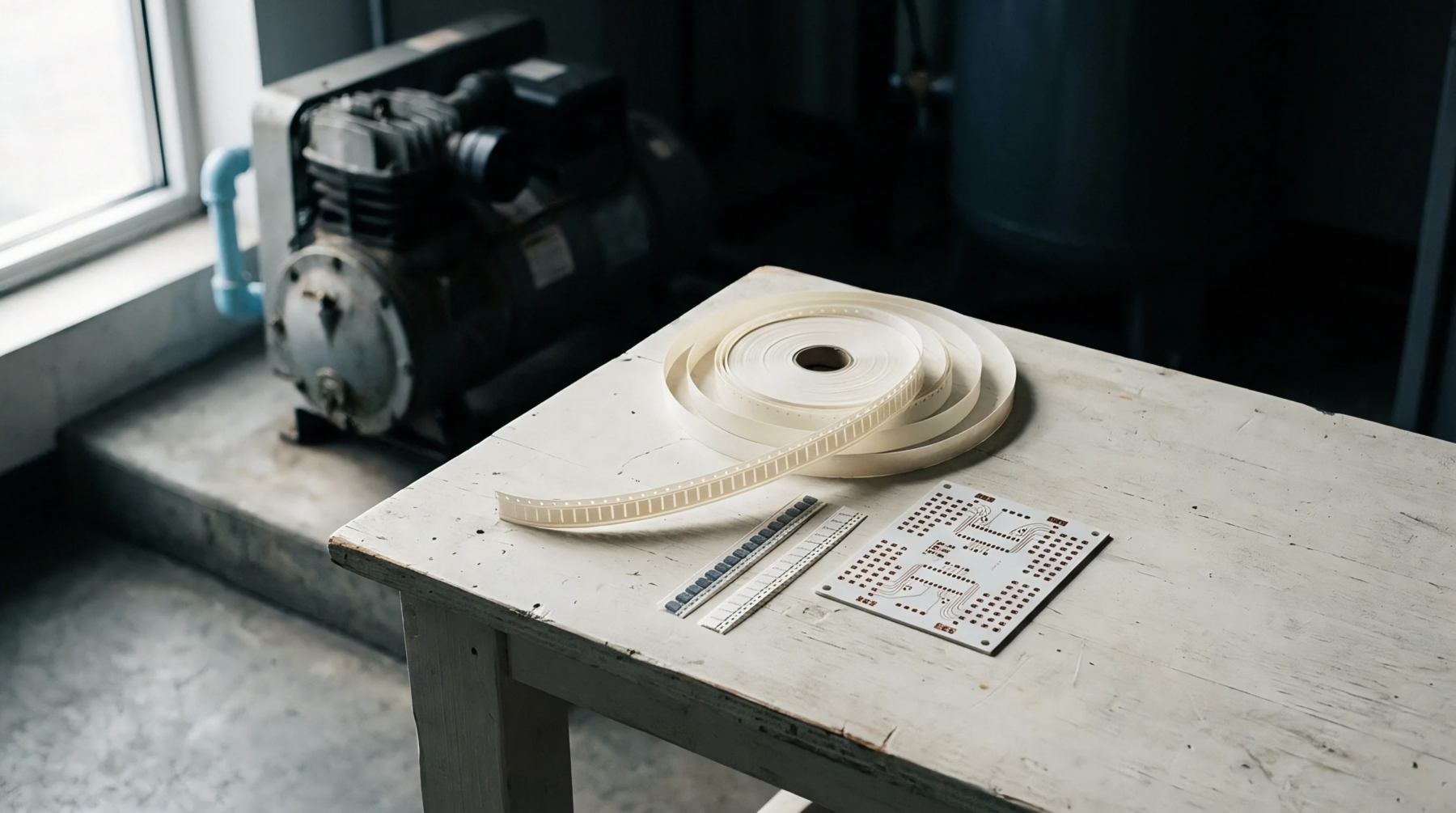
Financial exposure bounds in high-density SMT rely on binding paste volume thresholds, AOI escape modeling, and explicit contract scrap liability caps.
Quantifying solder paste solvent evaporation rates in reflow profiles prevents micro-boiling, solder ball spattering, and excessive voiding beneath BTCs.

Allocating latent defect risk in advanced assembly relies on defined screening limits, clear warranty triggers, and empirical root-cause testing formulas.
Thermal defect attribution in mixed consigned assembly requires combining profile logs, 3D X-ray data, and MSL handling records to split material and process liability.
First pass yield gaps in high-density assemblies stem from optical test blind spots, microvia structural fatigue, and restricted physical probe access.

Split procurement saves component markup fees on high-cost ICs but demands strict kit audits, overage management, and clear contract defect attribution rules.

X-ray inspection coverage requires precise calibration of tomographic slice thickness and algorithmic gray-level thresholds to detect hidden solder voids and opens.
Expertise is a utility, not a secret. sentiention™ publishes its working knowledge as open reference: intelligence layer covering the materials it sources, the markets it enters, and the reference that serves both.