Composition Standard
Tin-based solder with three percent silver and five percent copper forms the industry benchmark for surface mount assembly. This sac305 alloy eliminates lead from the manufacturing process to comply with environmental regulations concerning electronics waste. It offers a balance between cost and mechanical performance for consumer hardware that requires consistent reliability during the lifespan of the device.
The composition provides a lower melting point than pure tin while maintaining the necessary strength to survive thermal cycling.
Thermal Profile
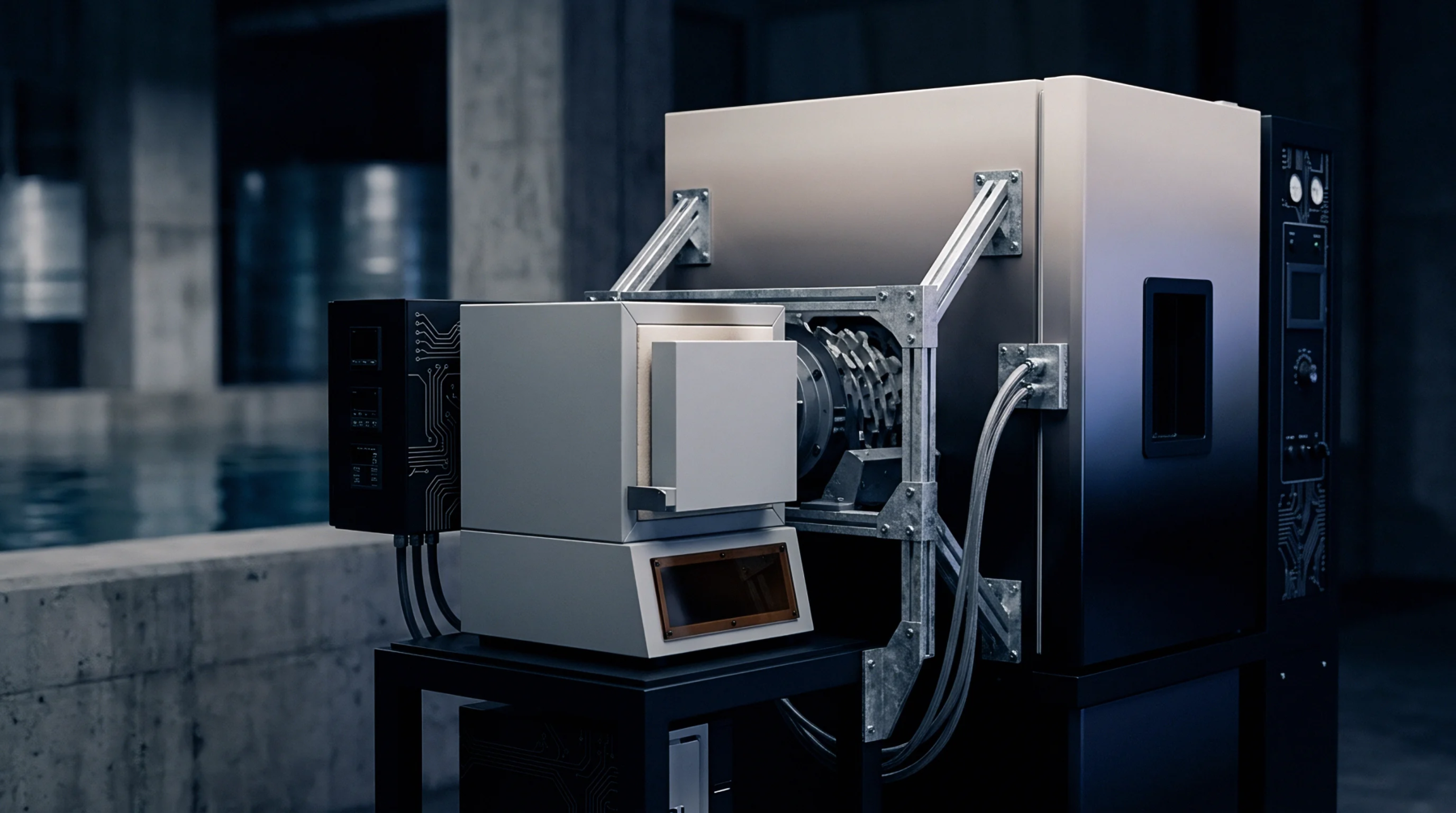
Reflow parameters require precise temperature control because this sac305 alloy possesses a melting range rather than a sharp transition point. Liquidus temperature sits at two hundred seventeen degrees Celsius, necessitating a peak oven temperature approximately twenty degrees higher to ensure complete wetting across all component terminations. Process engineers monitor the soak zone carefully to prevent excessive intermetallic growth which degrades the joint over time.
Failure to maintain these specific heat parameters results in cold joints or voiding under large thermal pads.
Joint Morphology
Microstructural integrity of this sac305 alloy depends upon the cooling rate achieved during the exit stage of the reflow furnace. Fast cooling cycles produce fine grain structures that resist fatigue better than slower cooling processes that allow coarse crystal formation. These joints demonstrate high resistance to mechanical shock when the board remains within the specified cooling window.
Consistent grain refinement minimizes the risk of brittle fracture under vibration stress.