Heat Obstruction
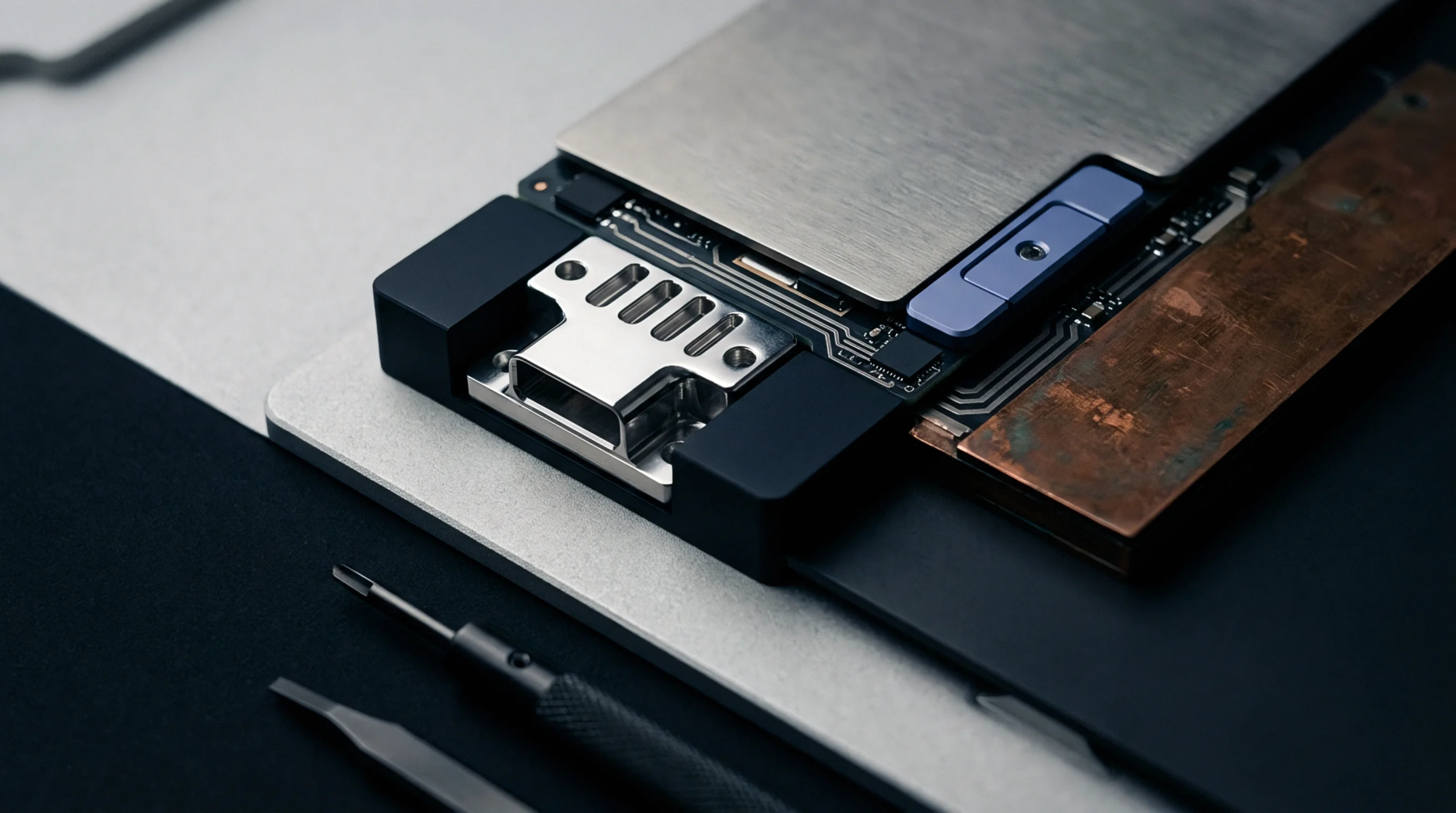
Localized temperature reduction occurs when a tall component blocks the flow of heated air to smaller devices located immediately behind it. A thermal shadow can lead to incomplete solder reflow or poor wetting on the affected components. This effect is most pronounced in forced convection ovens where the air velocity is the primary driver of heat transfer.
Process Variation
Orientation of the board on the conveyor belt determines which components will be shielded by their neighbors. Components sitting in a thermal shadow may lag behind the rest of the board by several degrees during the critical reflow phase. Engineers must identify these regions during the profiling stage and adjust the soak time to allow for temperature equalization.
Increasing the fan speed can also help the air reach these recessed areas.
Profile Adjustment
Longer soak times are often used to overcome the cooling effect of the shadowing and ensure that every joint reaches the minimum liquidus temperature. Proper spacing between tall and short components during the layout phase is the most effective way to prevent a thermal shadow. If the board density is too high, the oven settings must be carefully tuned to avoid overheating the tall parts while trying to heat the shadowed ones.
Consistent quality depends on providing an even thermal environment for every solder joint.