Process Boundary
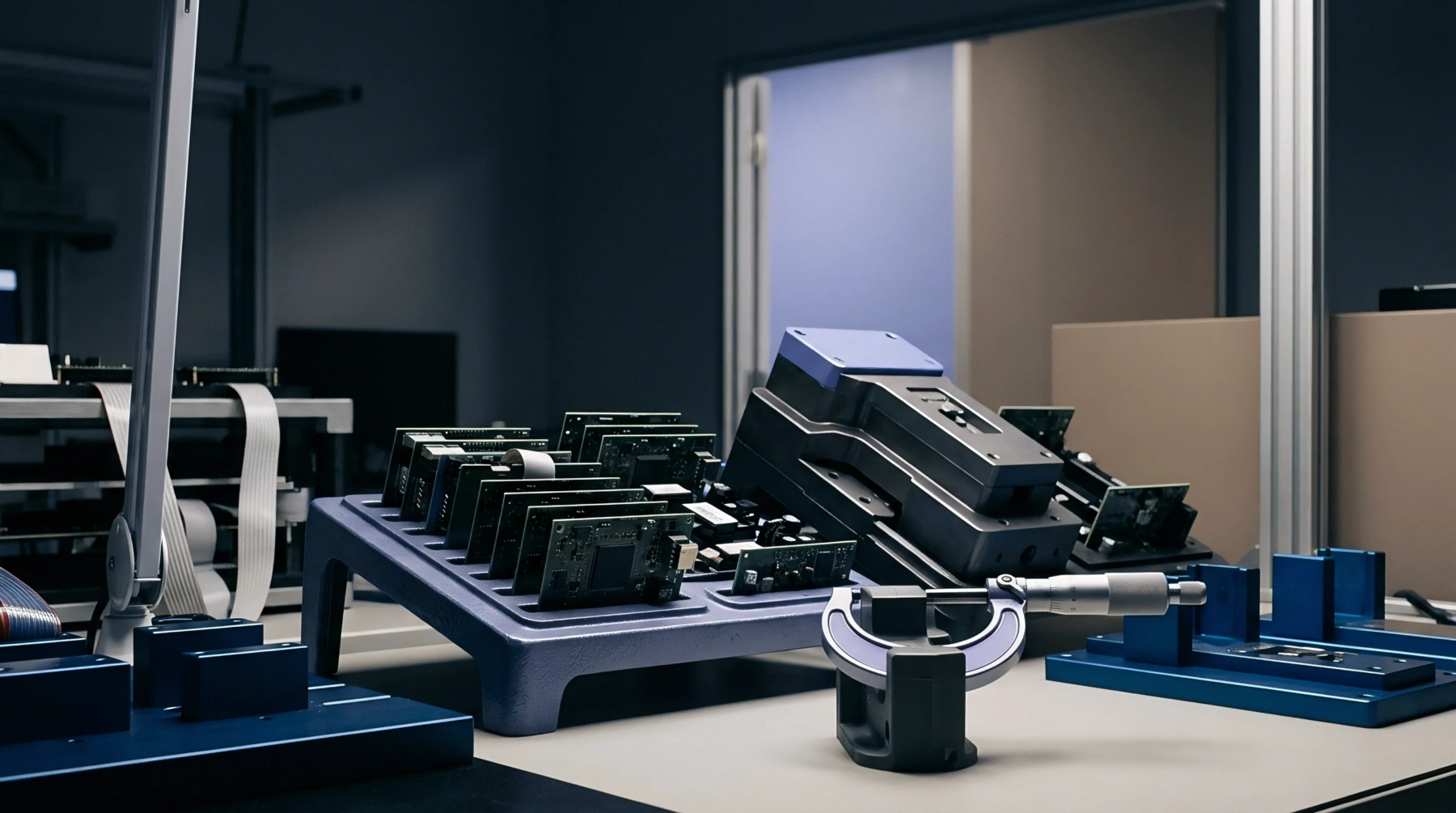
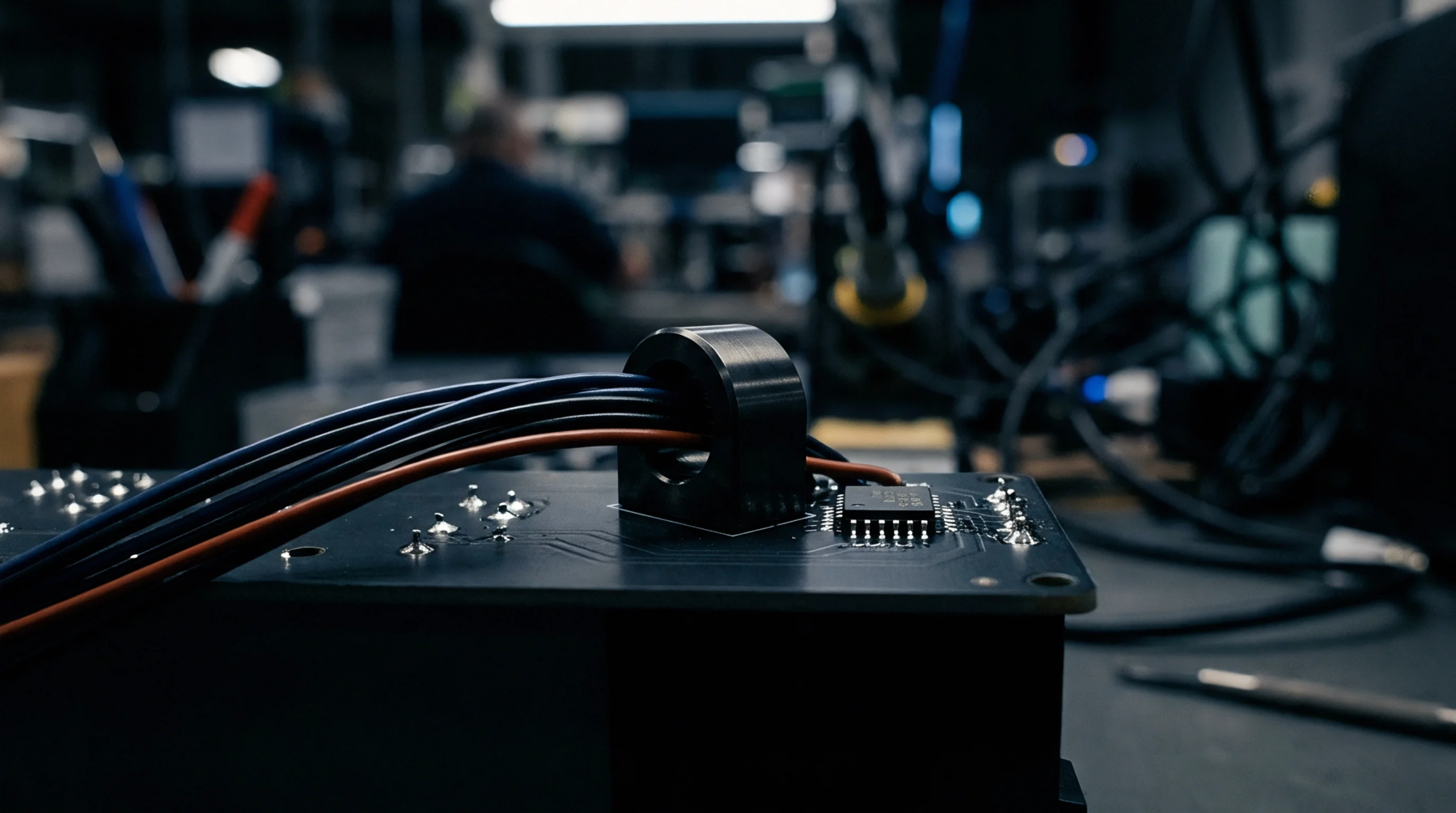
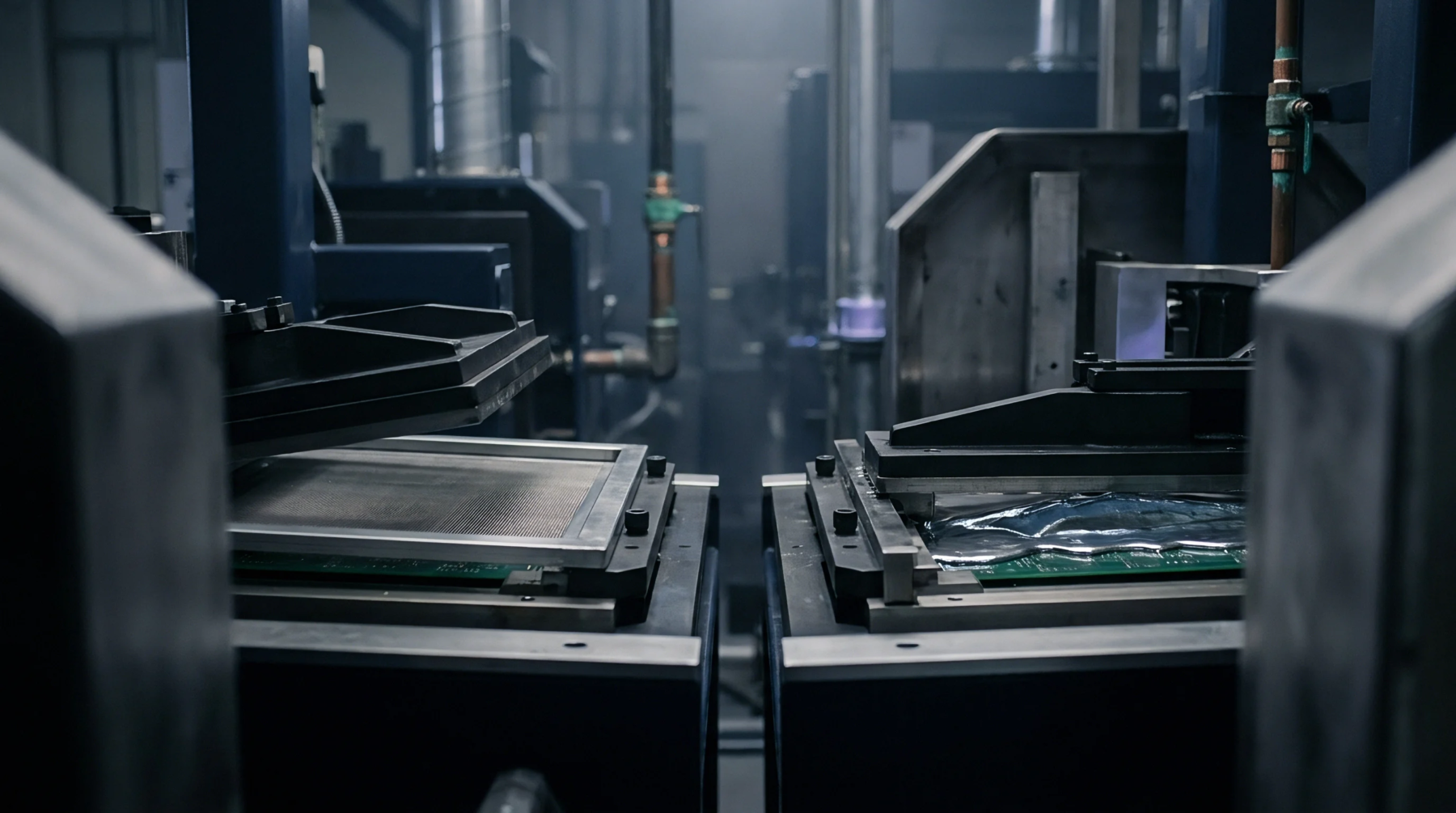
Targeted localized thermal application joins through-hole components to printed circuit boards without subjecting neighboring surface mount devices to excessive heat exposure. Selective soldering machine architecture relies on mini wave nozzles or laser beams that deliver precise energy quantities directly to individual solder joints. Mechanical positioning systems guide flux application heads and solder fountains across complex assemblies with high spatial accuracy.
Thermal management parameters govern flux activation time, preheat dwell duration, and alloy contact duration to prevent localized board delamination or copper pad lifting. Production floors deploy this method when heavy connectors or dense component layouts prevent standard reflow profiling. Assembly yield optimization depends upon maintaining consistent nitrogen inerting atmospheres around the molten alloy meniscus to eliminate dross formation.
Thermal Defect
Insufficient heat transfer during processing creates cold solder joints characterized by dull grey surfaces and poor intermetallic compound growth. Bridging occurs when excessive alloy volume overflows narrow pitch boundaries between adjacent terminal pins. Visual inspection systems and automated optical screening routines identify misaligned fillets or solder starvation before boards proceed downstream.
X-ray inspection evaluates barrel fill percentages within plated through holes to verify structural integrity against mechanical vibration standards. Temperature profiling sensors record thermal gradients across the component body to detect parameters falling outside acceptable process windows.
Acceptance Standard
Workmanship criteria demand complete wetting around the component lead and complete barrel penetration within the plated through hole. IPC guidelines specify minimum fillet heights and allowable void percentages for high reliability electronics manufacturing. Rework stations correct isolated anomalies manually through specialized convection tools when automated production runs yield localized bridging.
Process engineers establish acceptable flux residue limits to prevent electrochemical migration across closely spaced circuit traces during operational lifecycles. Final board acceptance relies upon documented compliance with established thermal and mechanical performance thresholds.