Thermal Barrier
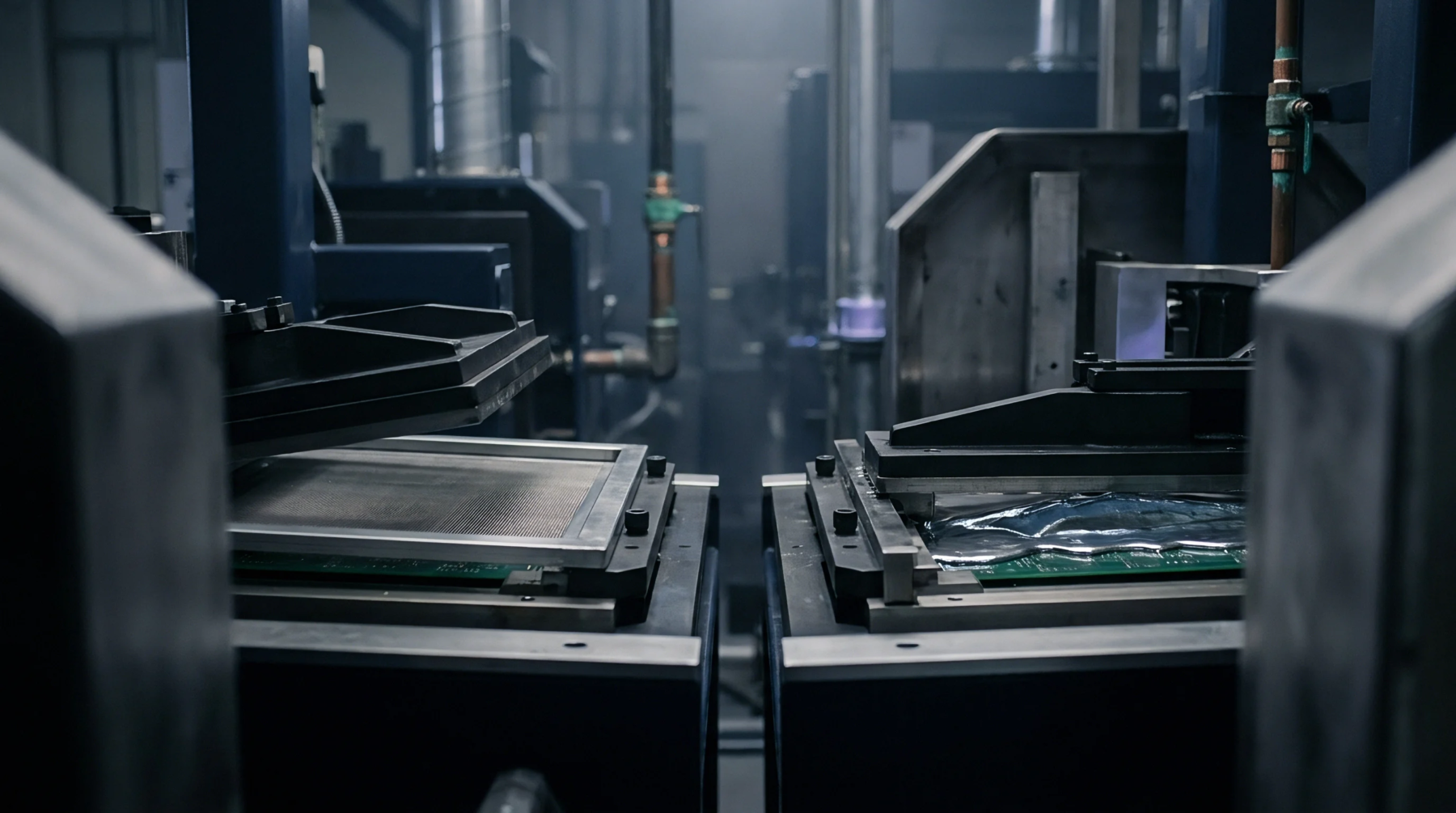
A thermal shield functions as an engineered material layer applied during printed circuit board assembly to prevent excessive heat transfer into sensitive adjacent components during selective soldering or reworking operations. This barrier manages localized thermal energy by reflecting or absorbing radiant and conductive heat before solder joints reflow elsewhere on the densely populated substrate. Manufacturers deploy these protective devices around temperature-sensitive active devices, electrolytic capacitors, and plastic connectors that otherwise suffer dielectric breakdown or package delamination under direct iron or nozzle contact.
Placement Tolerance
The installation of a thermal shield requires precise mechanical positioning above the circuit board surface to maintain a defined air gap that provides primary insulation alongside the physical barrier material. Positioning variations disrupt the expected thermal gradient, causing either insufficient protection for vulnerable components or restricted torch access during automated soldering passes. Assembly technicians verify this alignment using optical coordinate measuring systems before boards enter the reflow environment, rejecting assemblies where shields encroach upon clearance zones designated for automatic insertion tooling.
Degradation Limit
Material selection dictates the operational lifespan of a thermal shield because repeated exposure to high temperatures gradually breaks down polymeric binders or oxidizes metallic surfaces, reducing their reflectance and insulating capacity. Technicians monitor the degradation of these barriers through periodic surface emissivity measurements, replacing shields that exhibit blistering, cracking, or discoloration beyond defined industrial thresholds. Excessive thermal fatigue compromises the underlying circuit board assembly by allowing uncontrolled heat penetration to weaken adjacent solder interconnections during subsequent manufacturing cycles.