Interface Chemistry
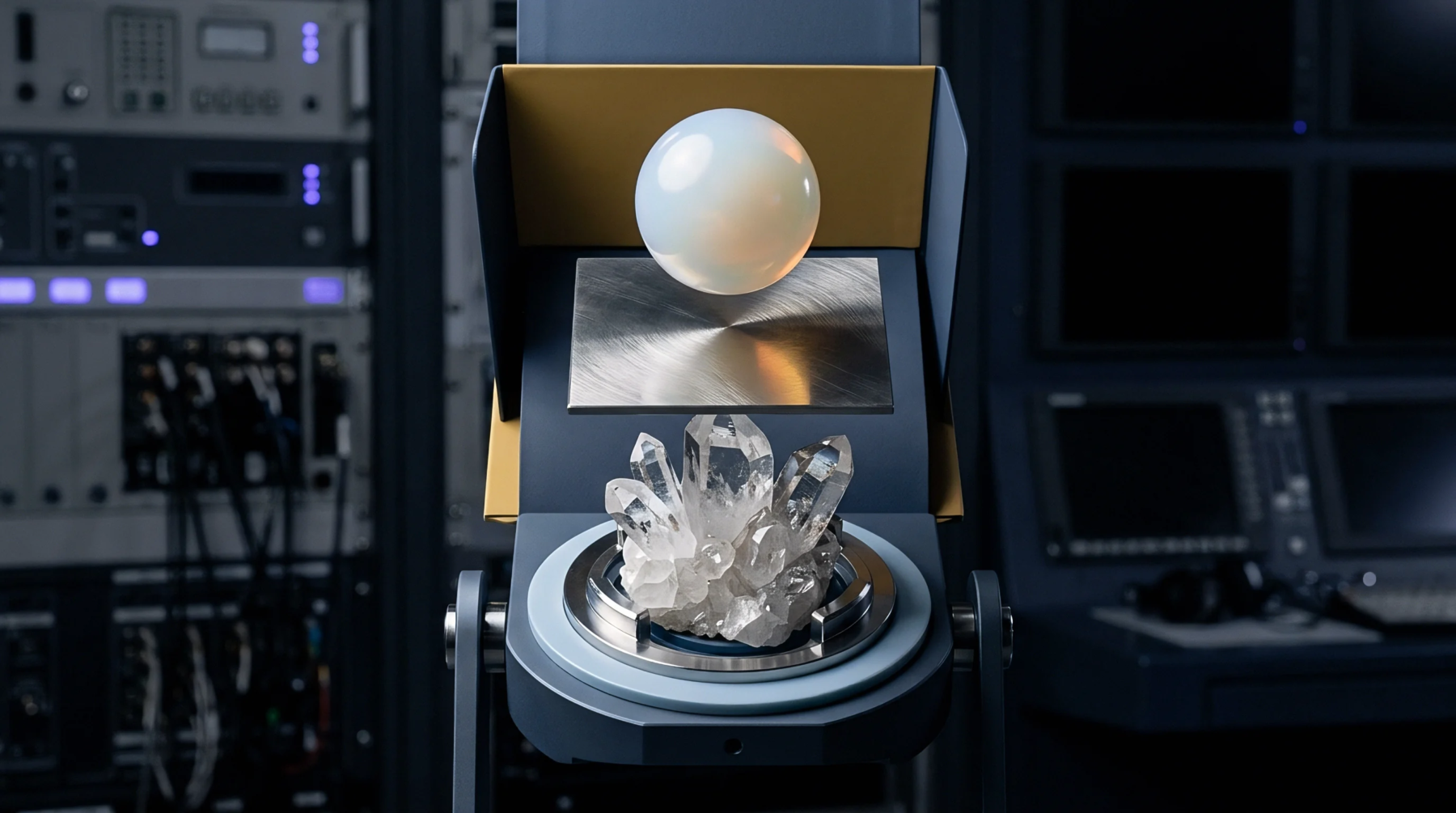
An organosilicon compound applied to the surface of glass reinforcement fibers improves the chemical adhesion and moisture resistance of the fiber-resin interface in composite laminates. In printed circuit board materials, the silane coupling agent possesses dual-reactivity, with one end of the molecule bonding to the inorganic glass surface and the other copolymerizing with the organic epoxy resin matrix. This chemical bridge increases the mechanical peel strength of the laminate and prevents the resin from separating from the glass fibers during thermal and mechanical stress.
It ensures the structural integrity of the composite board during subsequent drilling and assembly operations.
Reliability Impact
If the chemical bond at the resin-glass interface is weak, moisture can migrate along the glass fibers, which creates conductive pathways and leads to conductive anodic filament growth and electrical shorts. The application of these coupling agents forms a hydrophobic barrier that prevents moisture from accumulating at the interface, which improves the reliability of the board under humid operating conditions. Furthermore, this strong chemical bond prevents delamination during high-temperature lead-free soldering cycles where the expansion mismatch between resin and glass is at its peak.
Choosing the correct chemical formulation is a critical design step for laminate manufacturers who produce materials for high-reliability automotive and industrial electronics.
Process Verification
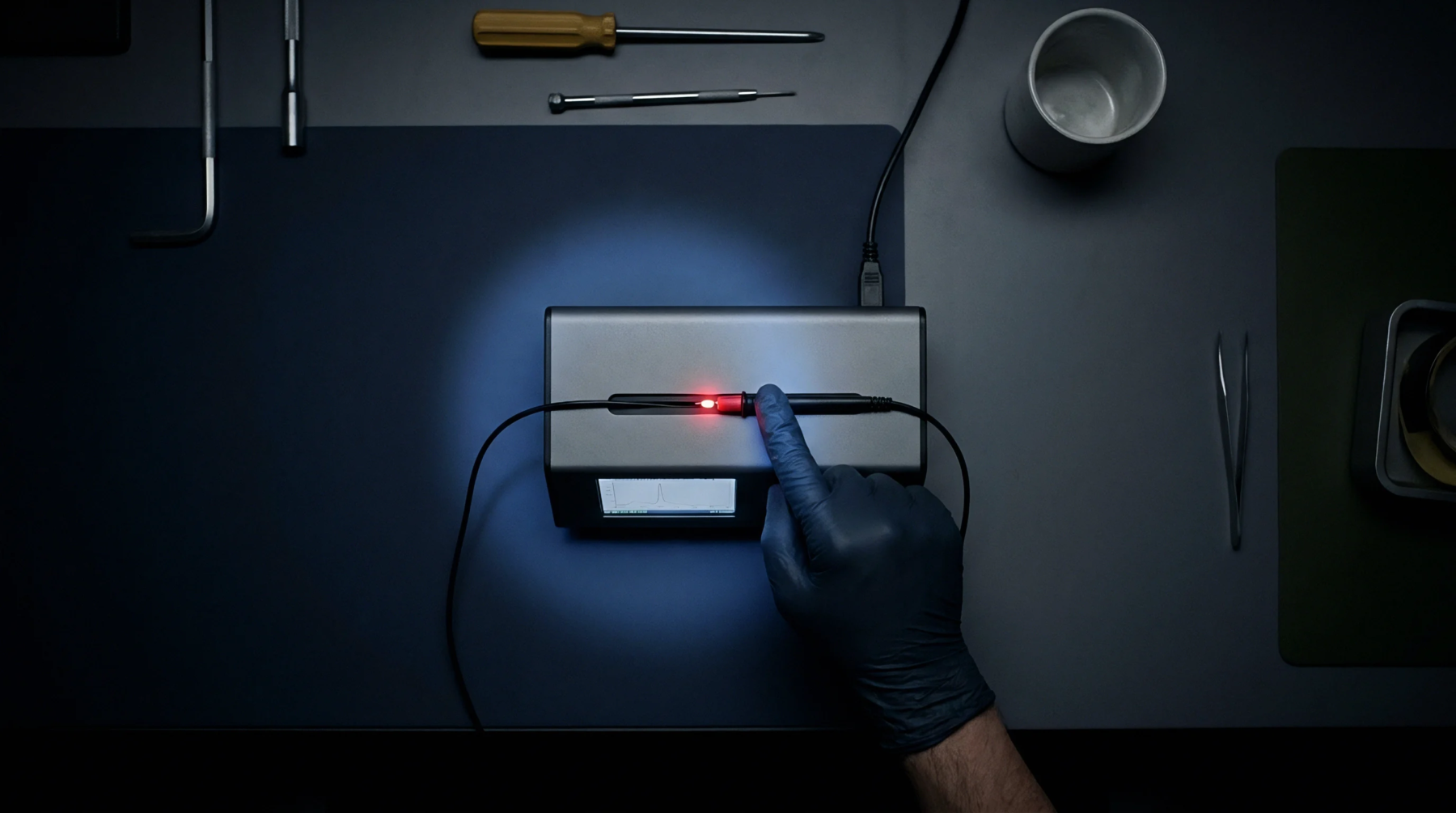
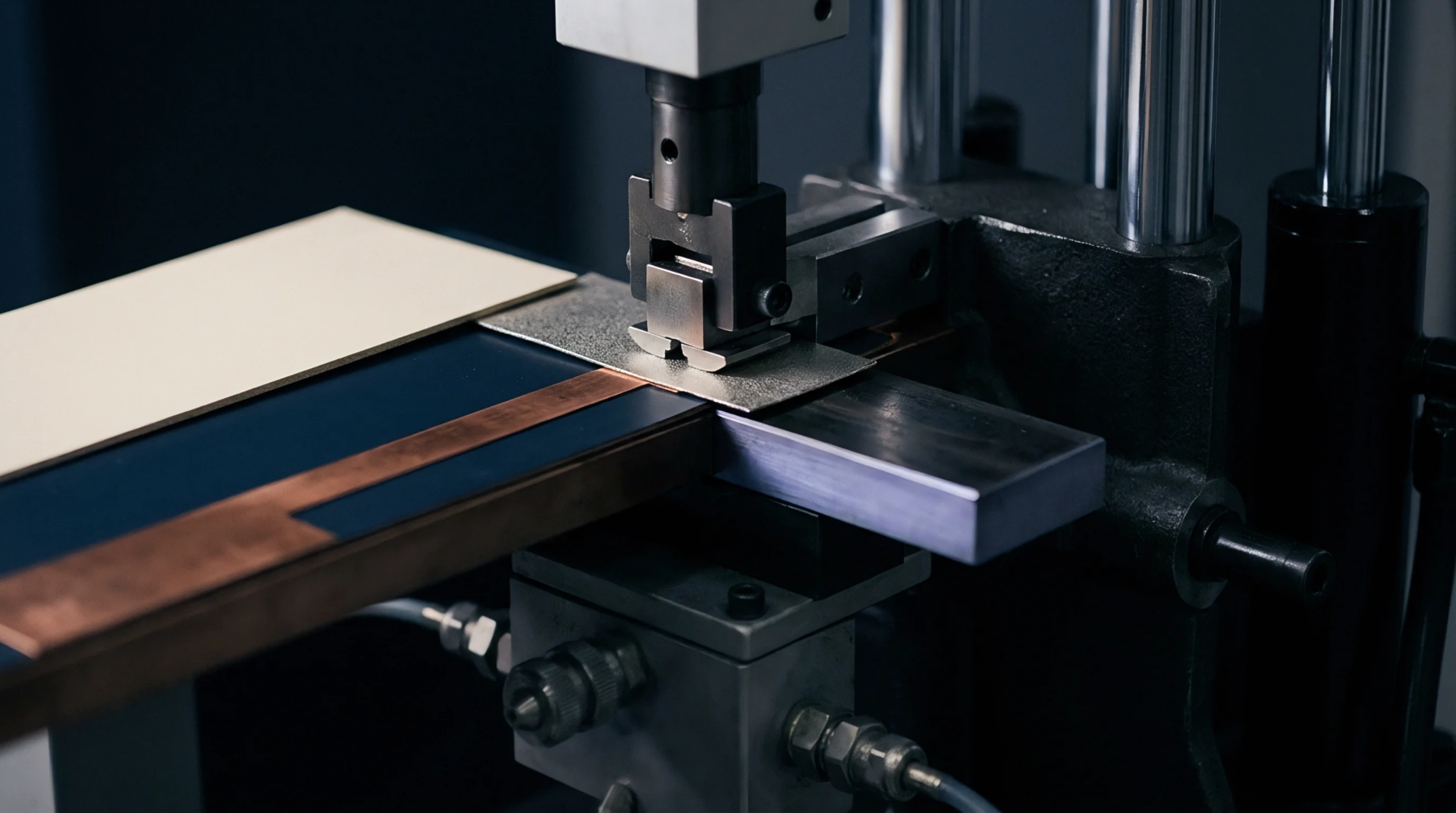
Verifying the coverage and effectiveness of the silane treatment involves measuring the surface energy of the treated fibers or using Fourier-transform infrared spectroscopy to analyze the chemical composition of the surface. If the treatment is applied unevenly, it will result in localized regions of poor adhesion, which can be detected during routine peel-strength testing of the laminate. This quality control step ensures that every batch of material meets the mechanical requirements for board assembly.