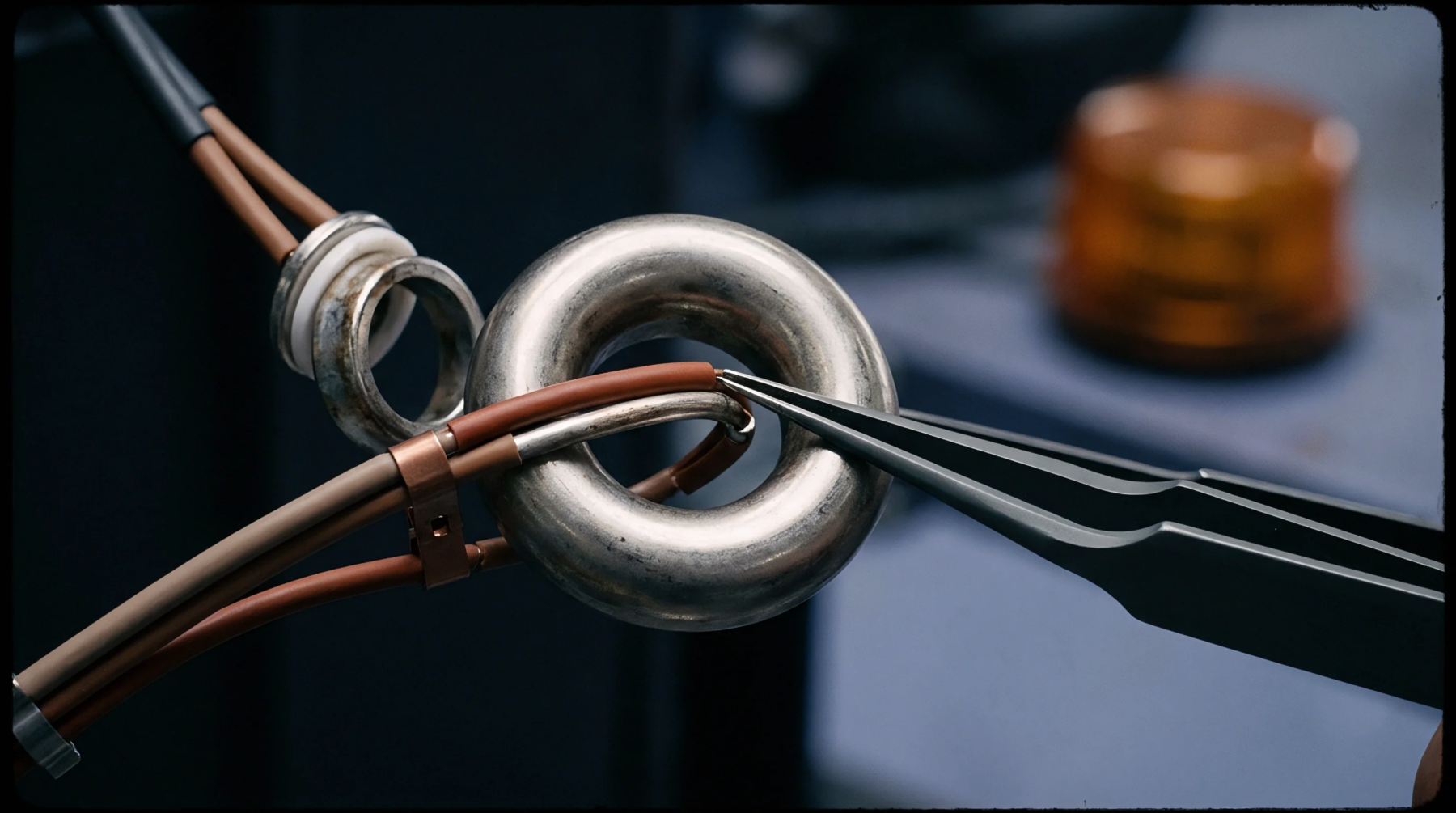
Evaluating in Plane Permittivity Impact on Differential Fringing Fields
Evaluating in-plane permittivity accounts for horizontal field concentration in edge-coupled pairs, preventing 2 to 5 ohm impedance drops in high-density boards.
Evaluating in-plane permittivity accounts for horizontal field concentration in edge-coupled pairs, preventing 2 to 5 ohm impedance drops in high-density boards.
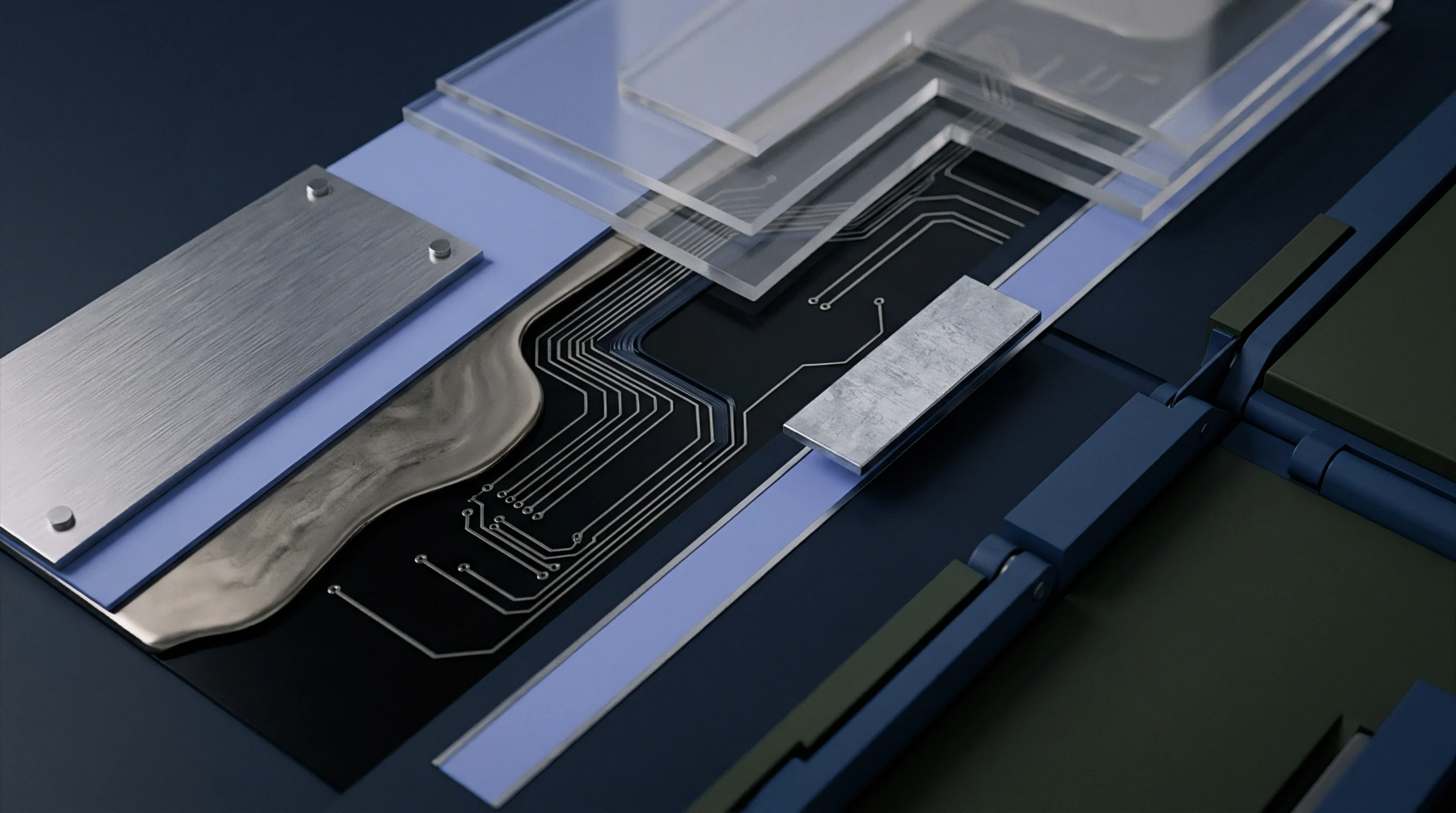
Spread prepreg styles flatten glass yarns to eliminate dielectric window voids, reducing differential phase skew below 1.5 ps per inch in PAM4 signal lines.
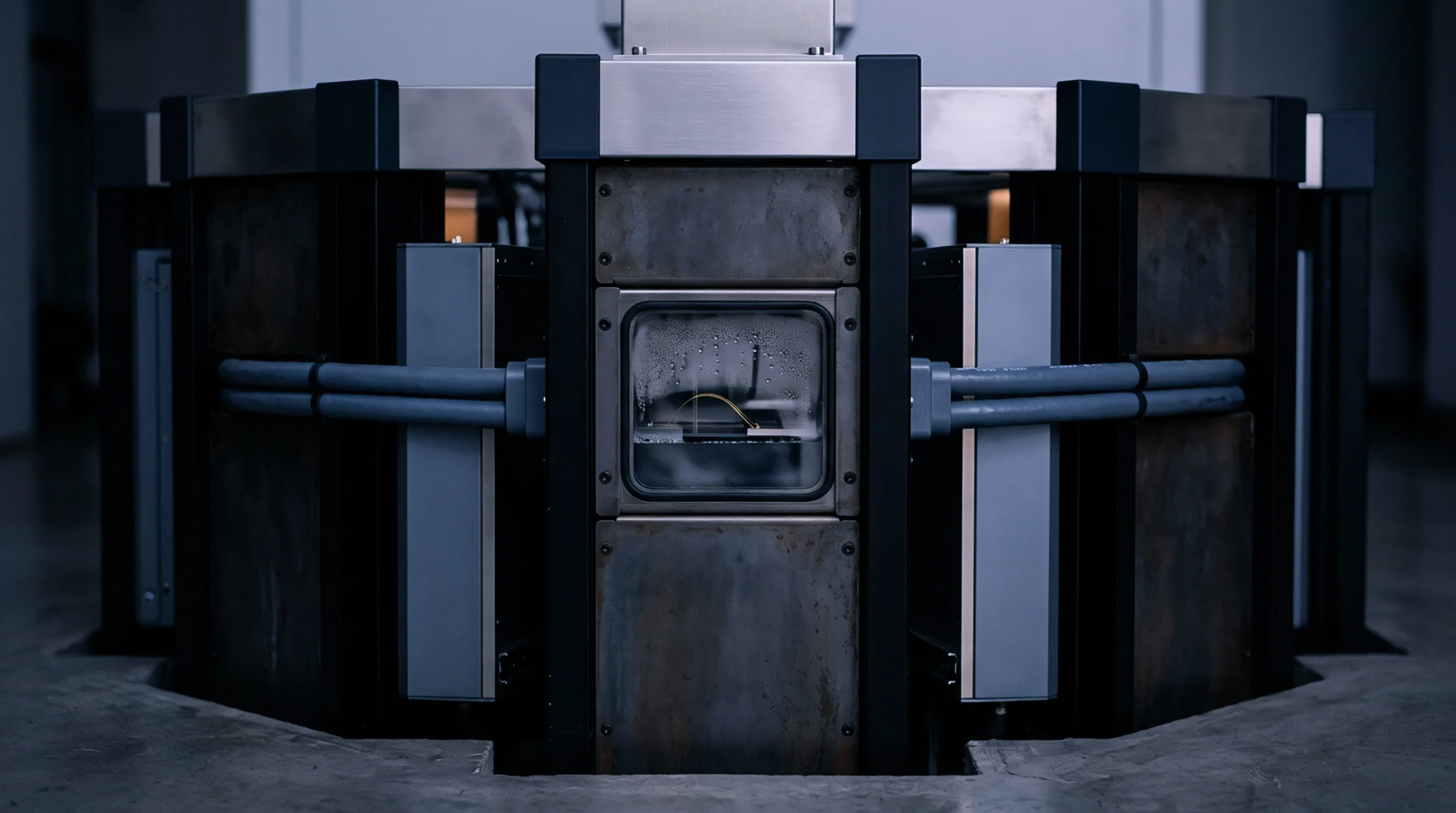
Extrapolating high-temperature laminate loss tangent shifts prevents gigahertz plane edge emissions escapes caused by thermal cavity resonance shifts.
Controlling lamination thermal ramps between 1.5 and 2.0 °C per minute minimizes resin stress and phase skew in sequential multilayer stackups.
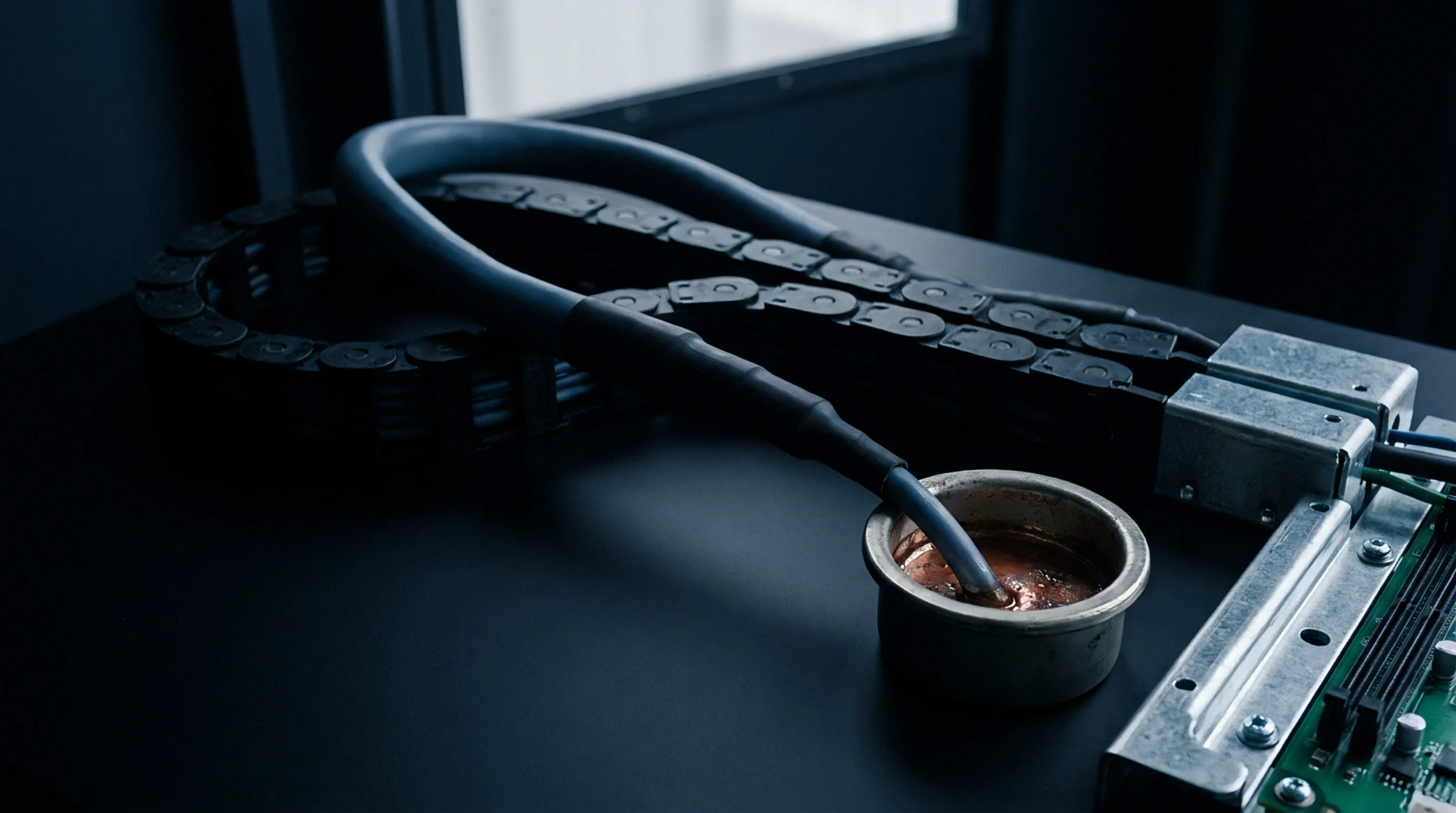
Optimize hybrid PCB fabrication by matching laminate cure kinetics, deploying plasma desmear for mixed resins, and applying layer-specific scaling factors.
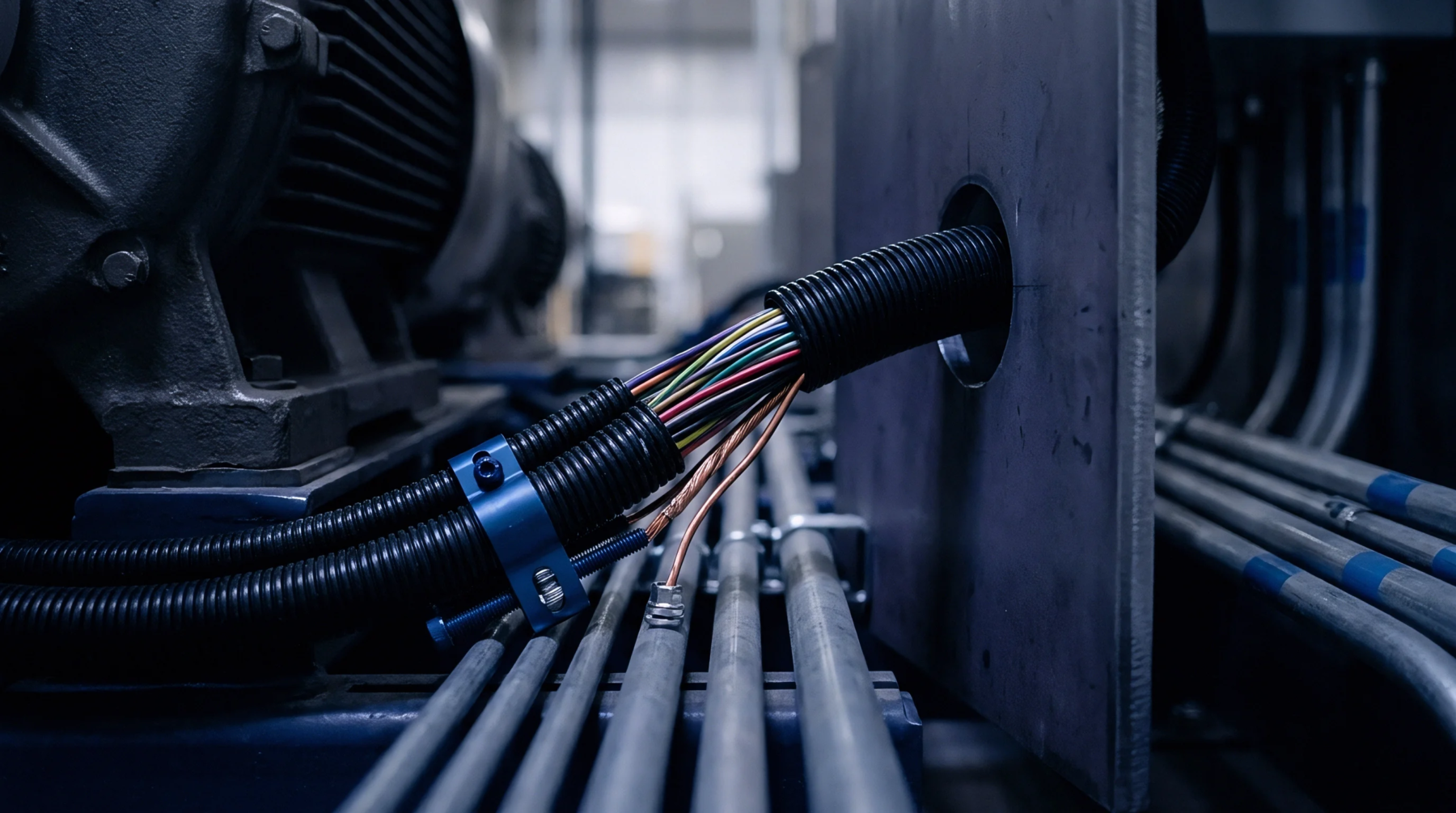
In-situ quasi-optical interferometry resolves thermo-mechanical dielectric tensor degradation across sequential reflow passes, preventing mmWave phase error.
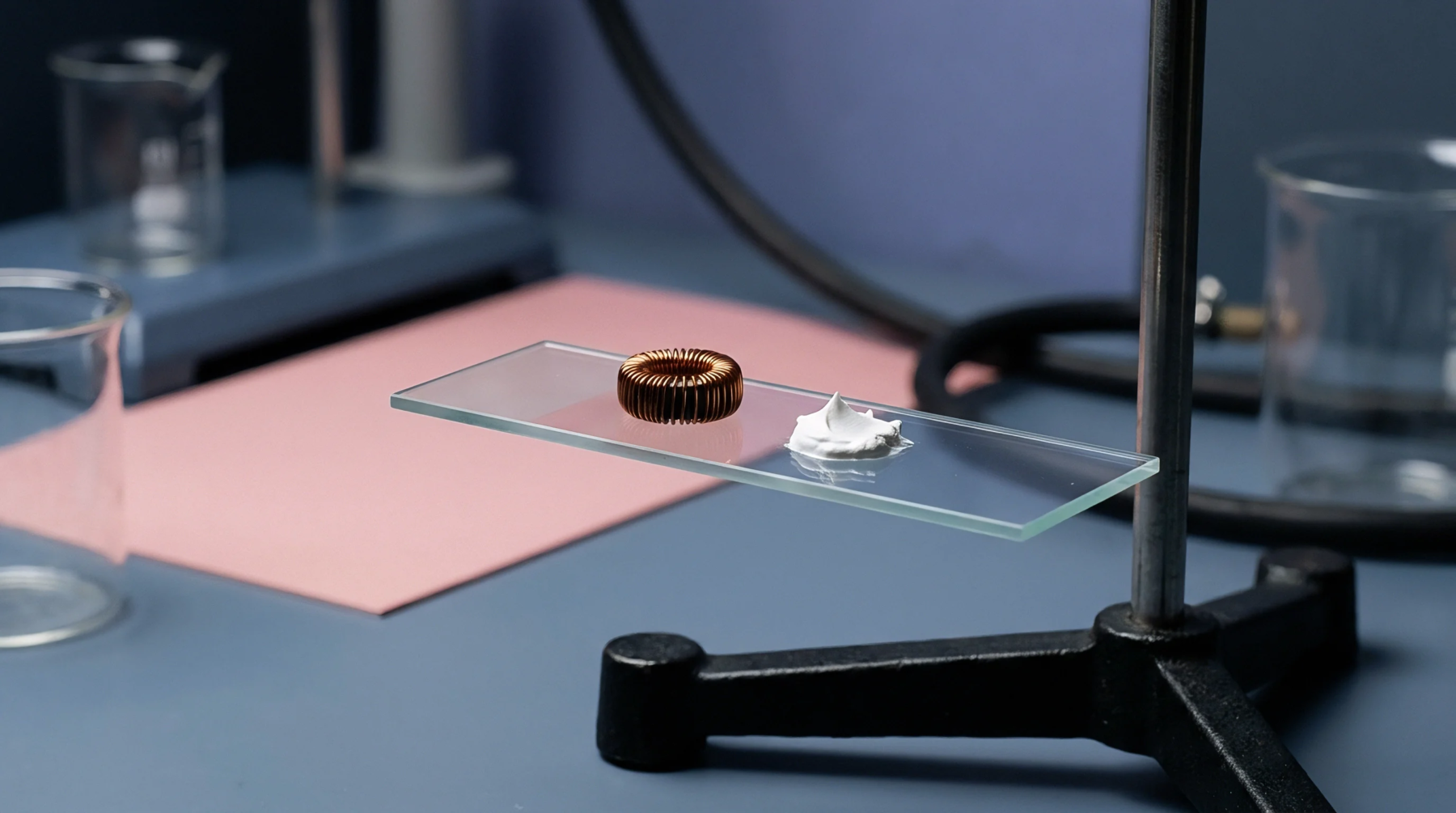
Spread glass weaves minimize micro-spatial permittivity variations, stabilizing high-frequency phase delay when press thermal cycles are tightly controlled.
Expertise is a utility, not a secret. sentiention™ publishes its working knowledge as open reference: intelligence layer covering the materials it sources, the markets it enters, and the reference that serves both.