Regulatory Verification
Oversight functions identify whether products entering the commerce stream comply with mandatory safety and performance standards. Market surveillance provides the systematic framework for authorities to audit manufactured items already available for purchase. Agencies verify documentation against actual hardware to confirm that declarations of conformity remain accurate throughout the lifecycle of a product.
Inspection Procedure
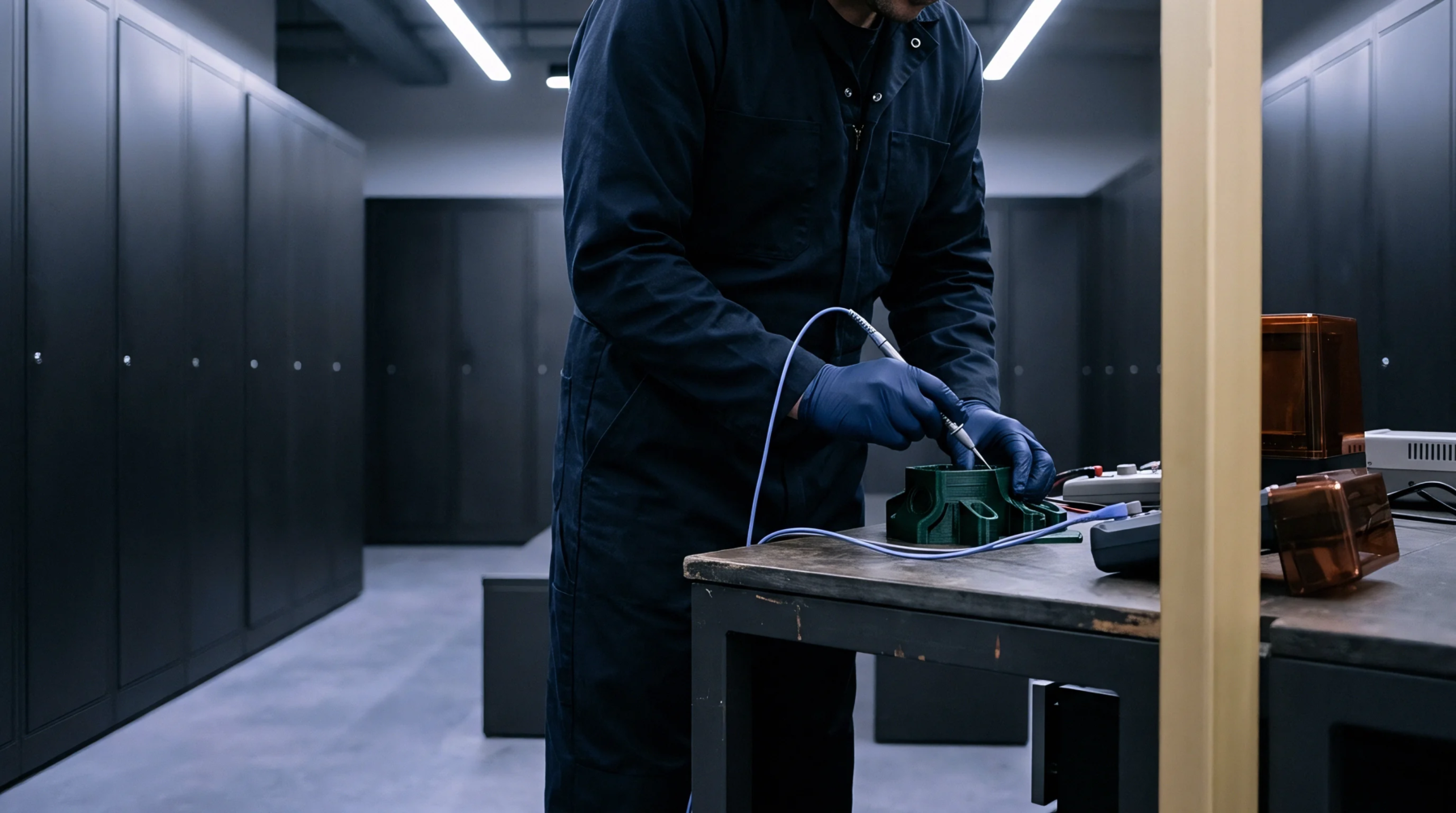
Field officers select samples from retail inventories or warehouse shipments to conduct physical examinations. This process validates that the technical construction matches the design specifications submitted during initial certification. Inspectors verify that safety markings appear on enclosures and check that warning labels remain legible under standard lighting.
Technicians measure dielectric strength and grounding continuity on finished units to ensure electrical protection remains effective. Deviations detected during these tests trigger a review of the manufacturing batch or the design file.
Compliance Consequence
Nonconformity reports mandate corrective actions that range from product labeling updates to complete inventory withdrawals. Manufacturers bear the financial burden for recalls when audits demonstrate that electrical or structural properties fail to meet regional requirements. Stakeholders maintain accountability through these investigations because findings remain on public databases to inform future procurement decisions.
Consistent monitoring limits the distribution of hazardous hardware by forcing noncompliant actors to exit the supply chain.