Border Interception
Regulatory control mechanisms halt inbound raw printed circuit board shipments at national boundaries when documentation discrepancies or prohibited chemical constituents trigger mandatory holding protocols. Border enforcement authorities execute this physical containment to verify compliance with restricted substance directives before component consignments reach surface mount technology production floors. Customs seizure procedures interrupt the supply chain when incoming material manifests fail to declare restricted flame retardants or heavy metals regulated by environmental compliance mandates.
Logistical Quarantine
Supply chain disruption manifests immediately when imported assemblies or bare laminate panels remain sequestered within bonded warehouses pending regulatory clearance. Production managers face unexpected inventory deficits because component consignments lack the requisite hazardous substance verification certificates demanded by import inspectors. Factory scheduling algorithms must absorb these extended holding intervals without disrupting downstream automated placement schedules or wave soldering operations.
Compliance Verification
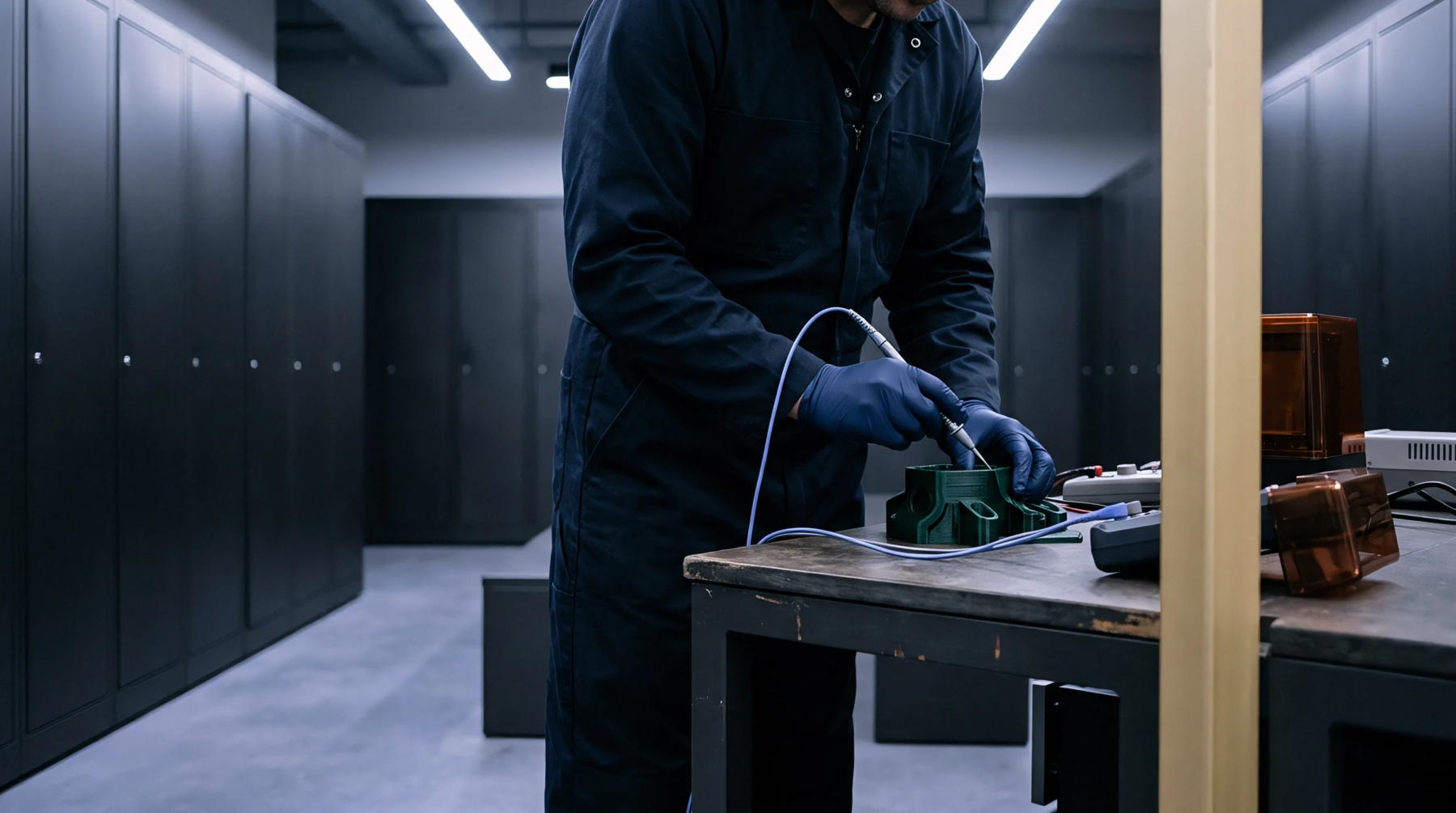
Analytical testing laboratories validate material composition through X-ray fluorescence spectroscopy and chemical digestion methods to resolve discrepancies identified during border inspection holds. Technical personnel present verified material safety data sheets alongside independent laboratory test results to regulatory officials to secure the release of impounded printed circuit boards. Regulatory release occurs only after analytical data confirms that lead content and halogen concentrations remain strictly within permitted statutory thresholds.