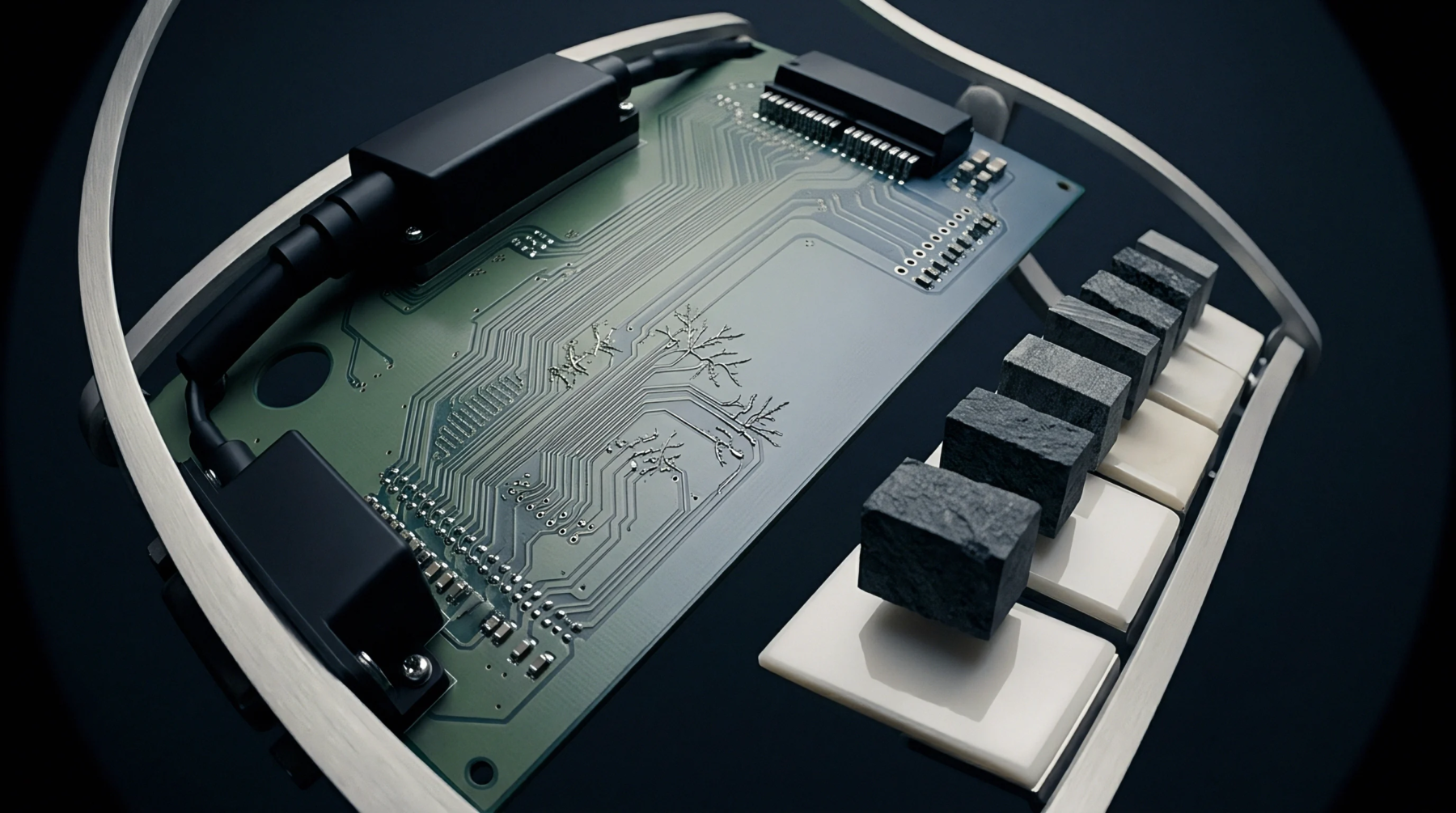
Material Contraction
During the thermal processing of multi-layer printed circuit boards, laminate shrinkage occurs as the resin matrix undergoes cross-linking and volatile outgassing within the press cycle. Thermosetting polymers experience permanent dimensional reduction when cooling from high press temperatures down to ambient conditions, governed by the glass transition point and reinforcement architecture. Internal glass cloth constrains lateral movement while resin starvation allows vertical collapse, creating uneven stresses across the panel area.
Dimensional Control
Mechanical routing and automated optical inspection rely on pre-scaled phototool compensation factors to offset expected resin relaxation before etching copper layers. Fabricators calculate scaling percentages based on supplier resin content and copper density distributions, adjusting artwork dimensions prior to innerlayer exposure. Post-etch punching and drilling operations demand tight registration tolerances because uncompensated contraction shifts plated through holes outside annular ring limits.
Thermal Stress
Post-reflow warping arises when asymmetrical core constructions display differential contraction rates across top and bottom copper planes during subsequent assembly heating cycles. Solder mask curing and surface finish baking aggravate residual stresses built into the pressed panel, leading to bow and twist anomalies during infrared reflow profiling. Panel flatness verification methods measure vertical displacement against a granite reference table after exposure to simulated assembly temperatures.