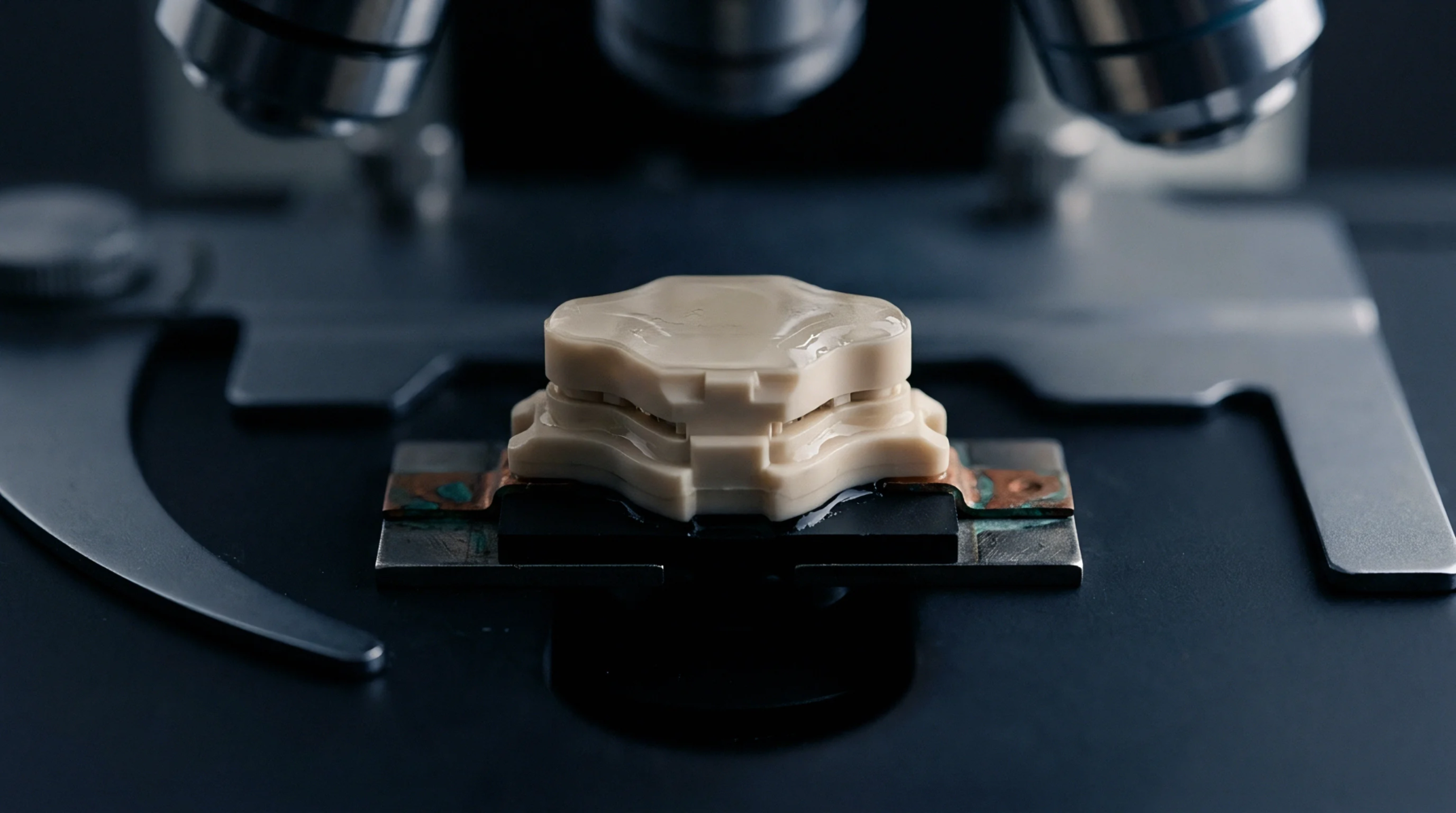
Thermal Profile
Conduction heating mechanics define the specific temperature schedule applied across an printed circuit board assembly before soldering occurs. A preheat thermal profile establishes the exact ramp rate and soak duration required to evaporate volatile solvents from solder paste without causing flux spattering. Component cracking occurs when internal thermal gradients exceed material limits, so heat transfer must remain controlled through every preheat zone.
Infrared emitters and forced convection ovens deliver the thermal energy, and thermocouples attached directly to the printed circuit board measure real time board temperatures during verification runs. Solder joint voiding drops when this preparation phase removes paste volatiles fully before the board reaches peak reflow temperatures.
Zone Management
Conveyor speed settings and individual zone temperature setpoints govern the exact shape of the heating curve during production runs. Thermal mass variations across heavy copper planes require adjusted soak profiles to prevent cold joints adjacent to large ground connections. Board warp happens if differential expansion forces pull the laminate beyond acceptable flatness tolerances during the ramp phase.
Process engineers adjust bottom heater outputs to balance top side component density and maintain uniform board temperatures across the panel surface. Pyrometric profiling verified with data loggers occurs at designated intervals to confirm oven calibration before production lots begin.
Paste Activation
Chemical reactions within solder paste require specific thermal exposure thresholds to activate fluxes and prepare metal surfaces for wetting. Rosin and synthetic resin bases liquefy progressively as board temperature rises, cleaning oxide layers from component terminations and pads. Viscosity drops during the initial heating stage, allowing paste to slump slightly before recovery prevents bridging defects during reflow.
Surface tension forces pull components into alignment once liquid solder forms, provided the flux removes oxides completely during the soak interval. Incomplete chemical activation leaves residual contamination that causes corrosion and electrical leakage currents on finished assemblies.