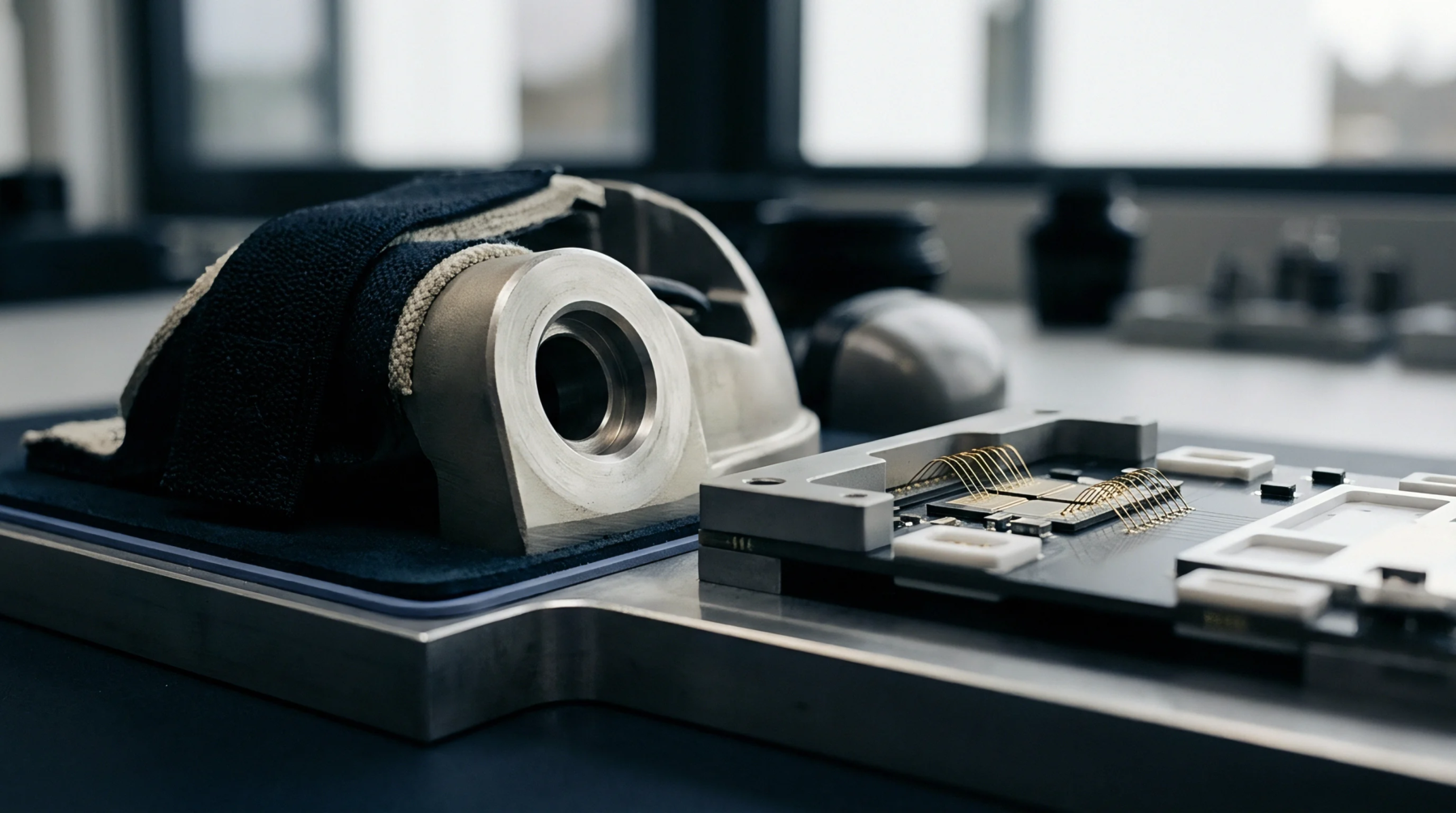
Secondary Heat Exposure Effects on Previously Reflowed Solder Interconnects
Secondary heat exposure accelerates intermetallic growth, causes void coalescence, and degrades solder joint mechanical strength across multiple reflow passes.
Secondary heat exposure accelerates intermetallic growth, causes void coalescence, and degrades solder joint mechanical strength across multiple reflow passes.

Micro-BGA intermetallic compound formation depends on peak reflow energy and thermal aging, where excessive layer thickness causes brittle interfacial failure.
Maintaining secondary clearance spacing above component height ratios prevents convective shadowing and stops inverted solder joint remelt detachment during reflow.
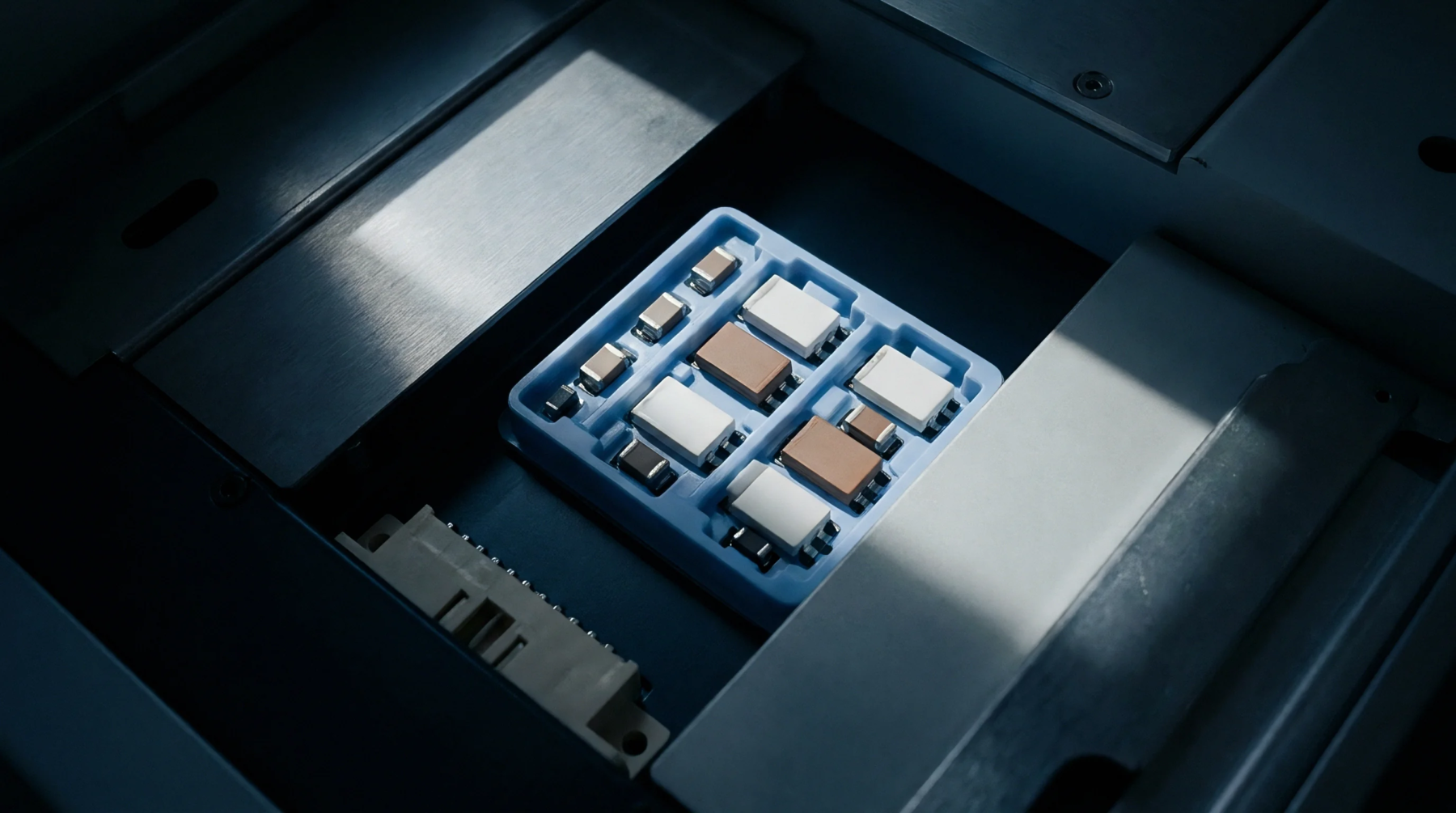
Prevent secondary reflow and component damage by enforcing clear keepout zones, utilizing machined composite shielding, and capping adjacent joint temperatures below 180°C.
Expertise is a utility, not a secret. sentiention™ publishes its working knowledge as open reference: intelligence layer covering the materials it sources, the markets it enters, and the reference that serves both.