Allocating Commercial Exposure for Micro BGA Production Line Standby Charges
Standby line charges for micro BGA halts belong to the party whose material or process caused the stoppage, proven by machine logs and paste inspection data.


Stoppage
An automated optical inspection camera flags three consecutive non-wetting bridges on a 0.35 mm pitch micro ball grid array. The pick-and-place gantry decelerates, docks its vacuum spindles, and locks the conveyor. Solder paste deposits inside the micro BGA site measure 0.11 mm wide with an aspect ratio of 0.65 against a 100-micron electroformed stencil foil, balancing on the edge of print release instability.
The line clock begins accumulating standby charges at twenty-five dollars per minute while technicians argue over aperture clogging, solder ball oxidation, and board warpage. Standby exposure converts unallocated process failure into immediate manufacturing invoice debt.
The contract manufacturer allocates the financial burden of this stoppage according to line reservation rates, which range from $900 to $1,800 per active SMT hour depending on equipment vintage and placement capacity. Micro BGA assembly lines employ dual-lane conveyors, high-resolution optical positioning systems running IPC-9850 verification classes, and nitrogen-inerted ten-zone convection reflow ovens. These capital assets demand fixed recovery yields whether bare printed circuit boards cycle through the tunnel or idle before the preheat zone.
The party causing the stoppage absorbs the cost. Proving causation requires reconciling raw process telemetry against explicit contract boundaries.
A contract manufacturer charges standby line rates when micro BGA defect rates exceed agreed process scrap allowances and halt automated conveyor flow.
Line operational costs do not freeze during a technical investigation. Operators remain assigned to the feeder tables, nitrogen purges continue consuming gas to preserve 500 ppm oxygen levels inside the tunnel, and scheduled changeovers slip down the shift schedule. Sourcing contracts fail when they treat micro BGA assembly stoppage as a general commercial dispute.
The engineering parameters dictate the legal burden. A buyer protects cash flow by anchoring commercial liabilities to machine event logs, stencil design approvals, and solder paste release metrics.
Dock
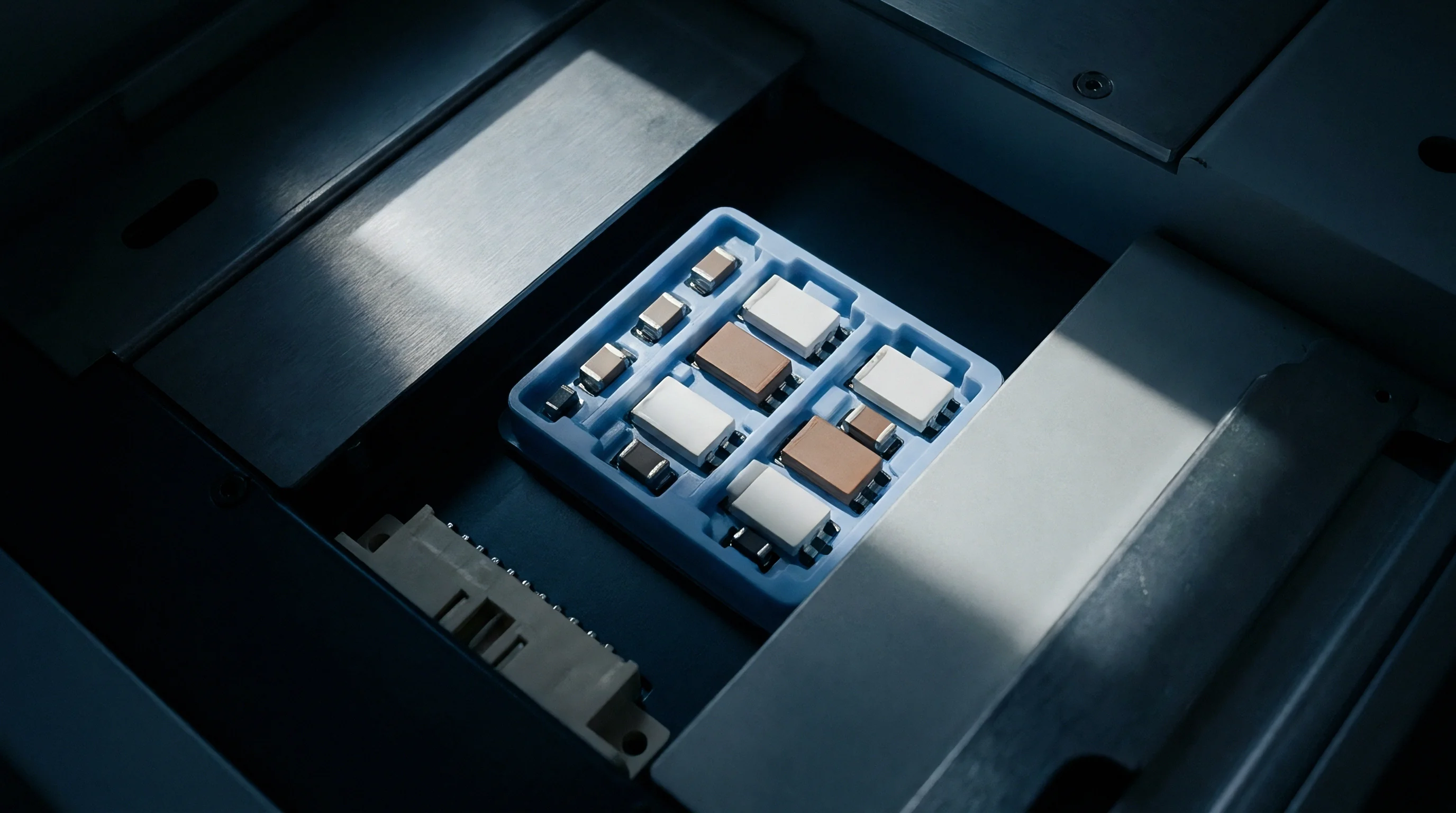
Component reels and printed circuit boards reach the factory floor through incoming material inspection. When micro BGAs arrive with compromised coplanarity or out-of-spec ball metallurgy, processing errors begin before feeders advance. Incoming solder ball height variations exceeding 15 microns across a 12 mm body destabilize reflow contact geometries.
The manufacturer halts assembly during first-article setup if incoming components violate J-STD-020 moisture exposure thresholds, triggering instantaneous standby logging.
Responsibility divides along the physical boundary of material ownership. Turnkey sourcing agreements place component qualification on the manufacturing vendor, while consigned assembly places component packaging integrity directly on the customer. Consignment models transfer incoming defect downtime straight to the client purchase ledger.
If a consigned reel of 0.4 mm pitch micro BGAs displays bent corner spheres during automated optical feeder inspection, the line stops. The supplier issues a stoppage notice, shifts line operators to offline kitting, and bills the client for idle gantry hours.
- Component Coplanarity Thresholds require package ball variation to remain under 0.02 mm across the entire array substrate, preventing bridging and open circuit defects during reflow collapse.
- Moisture Barrier Packaging Records dictate component floor life tracking under J-STD-033, where unrecorded package exposure forces immediate line shutdown for extended twelve-hour re-baking cycles.
- Substrate Solderability Certification mandates tin-lead or lead-free surface finish verification under J-STD-002, isolating wetting failures caused by unoxidized pads against supplier-induced chemical deterioration.
Material traceability platforms log component serials upon tape-and-reel feeding. A missing component reel or incorrect tape pocket pitch arrests feeder advancement. SMT placers halt automatically when vacuum pick failure rates top two percent over fifty consecutive picks.
Suppliers claim buyer-supplied parts caused the pickup timeout, assessing standby fees from the moment of machine interrupt. The buyer requires raw log dumps to verify whether dirty pick nozzles or incorrect feeder pitch configuration produced the mispick cycle.

Aperture
Micro BGA deposition processes depend upon precise paste transfer through miniaturized stencil cutouts. An aperture diameter of 220 microns on a 100-micron stencil produces an area ratio of 0.55. Solder paste volume repeatability collapses when area ratios drop below the 0.66 threshold defined by IPC-7525.
Solder pastes categorized as Type 4 exhibit particle sizes between 20 and 38 microns, while Type 5 pastes maintain distributions between 10 and 25 microns. Choosing Type 4 paste to cut bill-of-materials costs under a 0.35 mm pitch micro BGA invites aperture clogging, insufficient paste volume deposits, and inevitable line shutdowns.
The manufacturing quote records stencil foil thickness, chemical nano-coating specifications, and aperture modifications. Disagreements arise over print verification thresholds logged by inline solder paste inspection systems. When SPI detects continuous volume variations exceeding thirty percent across adjacent micro BGA pads, the screen printer stops the line for automatic wipe cycles.
If repeated dry-vacuum wipes fail to recover deposition uniformity, technical line clearance requires manual intervention. Standby charges accumulate during the engineering debate.
| Ball Pitch (mm) | Aperture Size (mm) | Foil Thickness (µm) | Area Ratio | Paste Particle Type | Standby Probability |
|---|---|---|---|---|---|
| 0.50 | 0.28 | 120 | 0.58 | Type 4 (20-38 µm) | Moderate |
| 0.40 | 0.24 | 100 | 0.60 | Type 4.5 (15-25 µm) | Low |
| 0.35 | 0.20 | 100 | 0.50 | Type 4 (20-38 µm) | Severe |
| 0.35 | 0.20 | 80 | 0.63 | Type 5 (10-25 µm) | Low |
| 0.30 | 0.17 | 75 | 0.57 | Type 6 (5-15 µm) | High |
The contract allocates exposure based on who engineered the stencil files. When the buyer supplies bare gerber files and restricts aperture reduction, the buyer accepts the line stoppage liability generated by solder paste bridges. The manufacturing engineer holds liability when the assembly facility modifies pad aperture geometries without written customer concurrence.
SMT line operators frequently attempt unauthorized stencil tape wipe routines before raising an official halt, adding undocumented downtime to the final standby tally.
Furnace
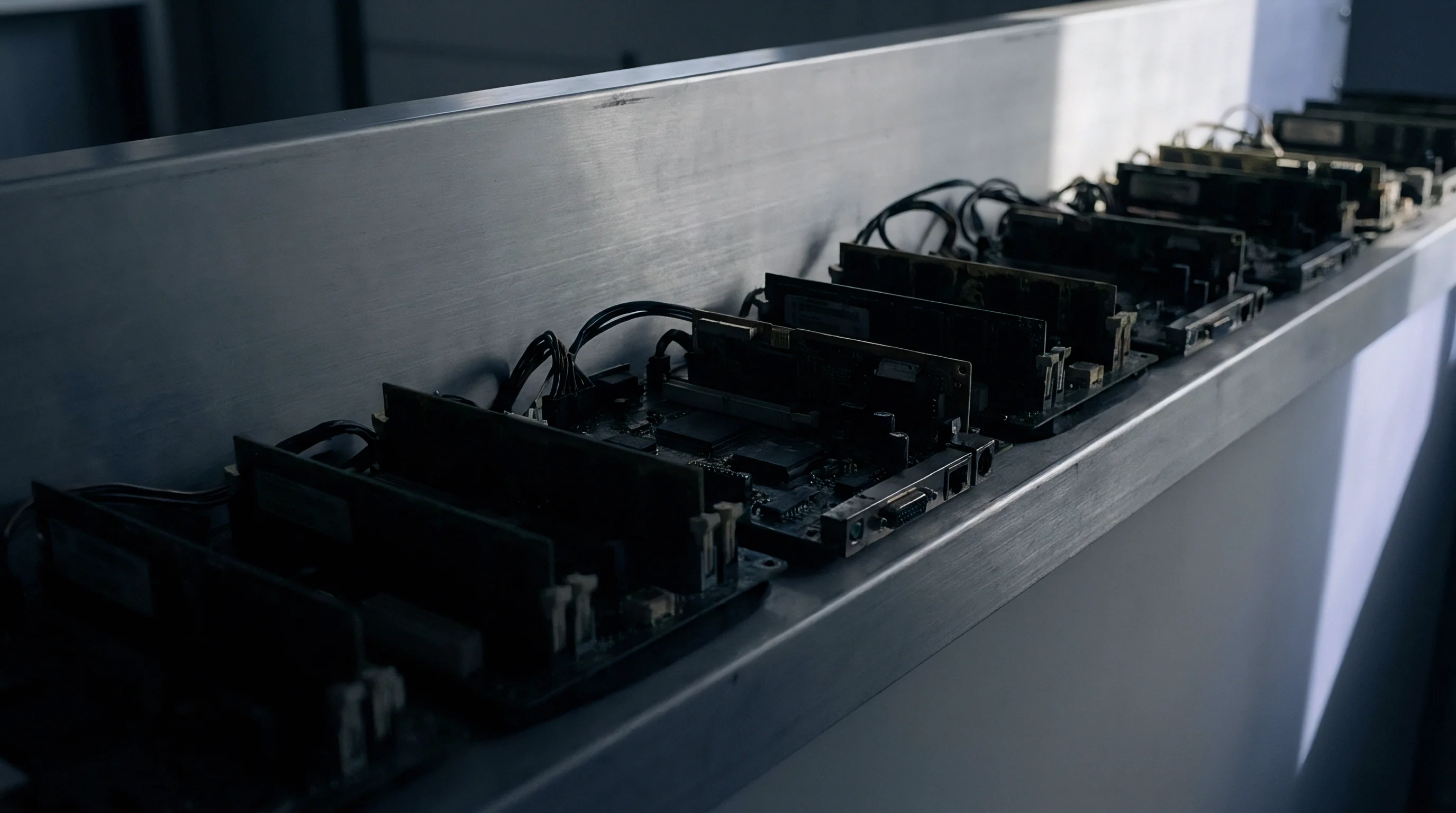
Reflow ovens represent the thermodynamic anchor of the SMT line. Micro BGAs with 0.3 mm to 0.5 mm ball arrays exhibit tight reflow processing windows. For SAC308 or SAC305 lead-free alloys, peak reflow temperatures must land between 235°C and 245°C. Thermocouple readings on the package center cannot diverge by more than 5°C from outer ball temperatures.
When inner ball arrays fail to collapse while outer spheres deform fully, profiling errors become self-evident.
Profiling runs precede volume production releases. If thermal balancing across heavy inner copper ground planes delays profiling by three shift hours, the manufacturer bills those hours as setup adjustments or idle line standby. The commercial agreement dictates whether pre-production thermal qualification is covered by the NRE tooling fee or converted to variable hourly billing.
Line standby bills scale rapidly when thermal profiling reveals excessive board warpage exceeding the 0.75 percent IPC-A-610 class limit.
Under J-STD-001 Section 3, reflow profiles lagging established solder paste thermal envelopes void standard assembly guarantees and release the line holder to claim idle equipment compensation.
Cooling zone gradients demand precise regulation between 2°C and 4°C per second. Rapid cooling generates micro-cracks along brittle intermetallic compound layers; slow cooling produces oversized copper-tin crystal structures that fail shear tests. When profiling changes require adjusting internal conveyor drive speeds, the entire SMT sequence loses synchronization.
Upstream pick-and-place equipment idles while the furnace stabilizes its thermal zones. The buyer must demand temperature profile datalogs to verify whether the delay stemmed from oven heater zone burnout or complicated board thermal mass balancing.
Evidence
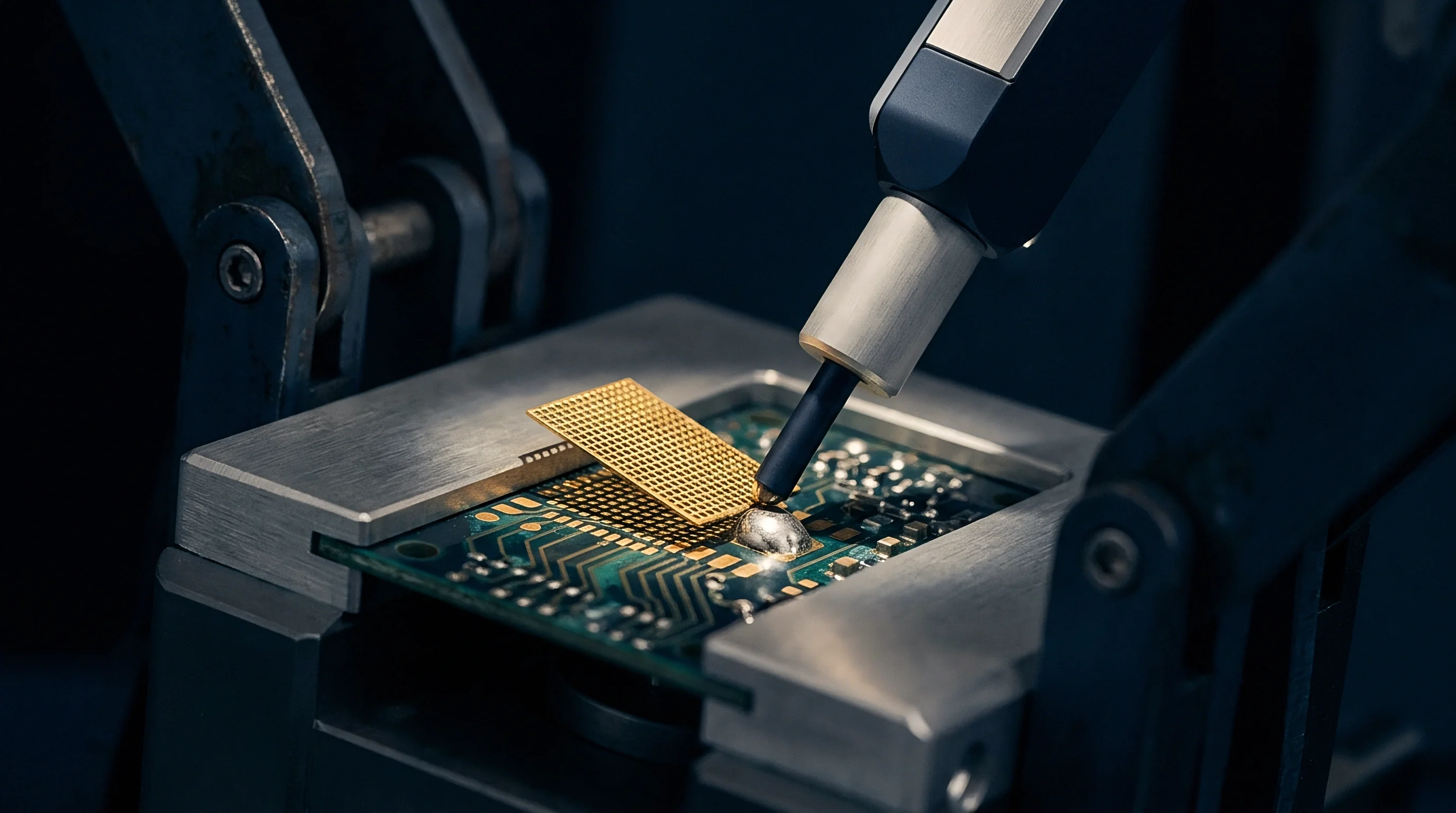
Assigning financial fault during micro BGA production halts demands automated telemetry records. Modern pick-and-place systems log errors by sub-second timestamps, tracking vacuum pressure decays, vision recognition dropouts, and board clamp sensor triggers. Solder paste inspection instruments export height, area, volume, and offset vectors for every deposition pad on the circuit board panel.
Optical inspection systems record false-call distributions, component orientation offsets, and solder bridging coordinates.
Resolution meetings collapse when parties argue from verbal recollections. A structured evidence review isolates the mechanism of the failure. An SPI volume drop below fifty percent points directly toward stencil aperture clogging or unmixed paste rheology.
A vision alignment rejection on the pick-and-place gantry flags component sphere oxidation or misaligned component tape pockets. The automated machine log exposes operator delay, such as a forty-minute interval spent waiting for a fresh reel of micro BGAs from dry storage.
- The production shift supervisor pulls the automated SMT line event log, extracting chronological machine fault events, gantry stop commands, and conveyor interlock states.
- The process engineer isolates SPI volumetric datasets, identifying whether deposition anomalies preceded the line shutdown.
- The quality inspector captures high-magnification automated optical inspection and automated X-ray images, documenting ball collapse, voiding levels, and bridging patterns.
- The assembly manager cross-references feeder pick counts and nozzle vacuum pressure traces against component lot numbers to confirm packaging mechanical consistency.
- Both commercial parties verify the timeline against the Master Services Agreement definitions for excusable delay, technical dispute intervals, and standby billing rates.
Automated X-ray inspection evaluates voiding underneath the micro BGA package spheres. IPC-7095 Class 3 specifies that total solder ball voiding must remain below fifteen percent of the total ball image area. Large individual voids exceeding ten percent of the sphere area indicate inadequate flux activation, contaminated surface plating, or defective reflow ramp soak trajectories.
When voiding rates trigger an X-ray reject threshold, line clearance requires destructive cross-sectioning. Destructive metallurgical testing takes hours, generating hundreds of dollars in standby charges while the gantry sits cold.

Apportionment

Should Commercial Exposure Shift When Yield Falls?
Commercial exposure splits across a balanced liability matrix. Contracts assign downtime costs based on explicit operational thresholds: unverified customer design files land on the client, whereas machine feeder maintenance defaults to the supplier. Contract manufacturing facilities include standard scrap allowances, typically between 0.5 percent and 1.5 percent for high-density surface mount placements.
When micro BGA placement loss exceeds these contractual scrap bands, line stoppage costs move to the party that caused the variance.
Hourly billing structures require transparent baseline rates. SMT lines with high-speed chip shooters and dual-beam placement platforms carry capital depreciation burdens between $150 and $300 per hour, excluding direct operator labor. Fully loaded line standby charges range from $600 to $1,500 per hour depending on geographical labor rates, cleanroom certifications, and equipment capitalization schedules.
The table below outlines standard operational allocation frameworks across critical assembly failure modes.
| Root Failure Cause | Primary Evidence Source | Contractual Fault | Billable Standby Rate | Mitigation Protocol |
|---|---|---|---|---|
| Component Coplanarity Defect | Pick-and-place optical vision log | Consignor / Buyer | 100% of line standby fee | Offline lot verification |
| Aperture Clogging via Bad Paste | Inline SPI volume distribution | Contract Manufacturer | Zero billable standby | Automated wipe adjustment |
| Inner Layer Board Warpage | Post-reflow AOI / Profiler trace | Bare Board Supplier | Customer dispute claim | Bake-out flatten cycle |
| Feeder Vacuum Nozzle Failure | SMT gantry diagnostic logs | Contract Manufacturer | Zero billable standby | Spindle head maintenance |
| Thermal Mass Profile Imbalance | Thermocouple validation curves | Joint responsibility | 50% shared standby rate | Pre-production NRE signoff |
A buyer caps commercial exposure by negotiating line standby clauses before releasing purchase orders. Agreements must mandate an automatic line release if an unverified technical stoppage exceeds two consecutive hours. The supplier moves the affected job offline, re-fixtures the line for an alternate customer assembly, and suspends the standby clock.
Uncapped standby agreements expose buyers to open-ended manufacturing risk, transferring factory operational inefficiency directly into the client line item balance.
A contract term limiting standby billing to four hours per technical incident forces the assembly factory to clear the line and switch jobs rather than billing idle capacity.
The manufacturing facility protects its margins by claiming that custom feeder setups and sensitive micro BGA component packaging prevent quick line changeovers. Shifting a ten-zone reflow profile and resetting sixty feeder positions for an alternate production run consumes three hours of technician labor. The contract must balance these setup frictions by setting liquidated damage schedules against actual downtime event logs, preventing unilateral charge inflation.

Paperwork
Contract language determines whether a dispute settles cleanly or escalates into litigation. Ambiguous phrasing such as standard line delay fees allows manufacturers to invoice full operational line rates for simple calibration checks. Buyers require language that defines exactly when the billable clock starts, what records must support the claim, and how engineering escalation works.
Contract clarity preserves working capital across multi-million dollar high-density electronics manufacturing runs.
A rigorous Master Services Agreement incorporates explicit micro BGA assembly riders. The clause defines standby events as continuous operational halts exceeding thirty minutes caused directly by non-conforming customer-furnished materials or unapproved design gerber errors. The burden of proof sits with the party issuing the invoice.
If the factory cannot provide inline machine telemetry, SPI volumetric records, and automated optical logs within forty-eight hours of the incident, the standby charge claim becomes null and void.
Procurement teams protect project economics by linking standby billing to machine utilization rates rather than nominal line booking fees. When an assembly line idles, raw utility consumption drops, material feed stops, and indirect support labor shifts to parallel tasks. Factoring these operational reductions into the standby fee structure prevents contract manufacturers from earning higher profit margins on dead lines than on actively running assembly shifts.
If the contract fails to specify equipment log auditing rights, the buyer pays the billed rate with zero recourse.