Thermal Profile
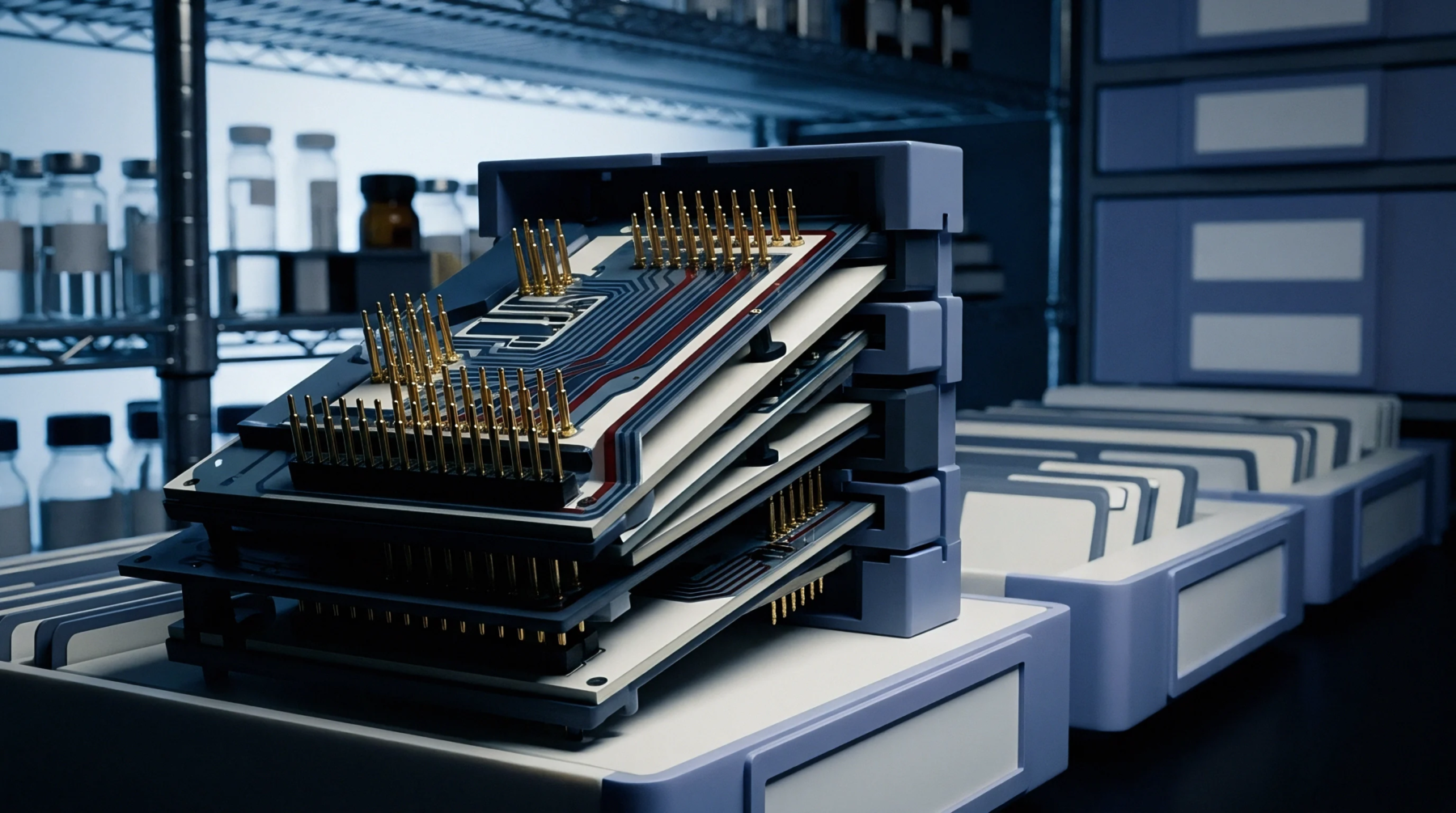
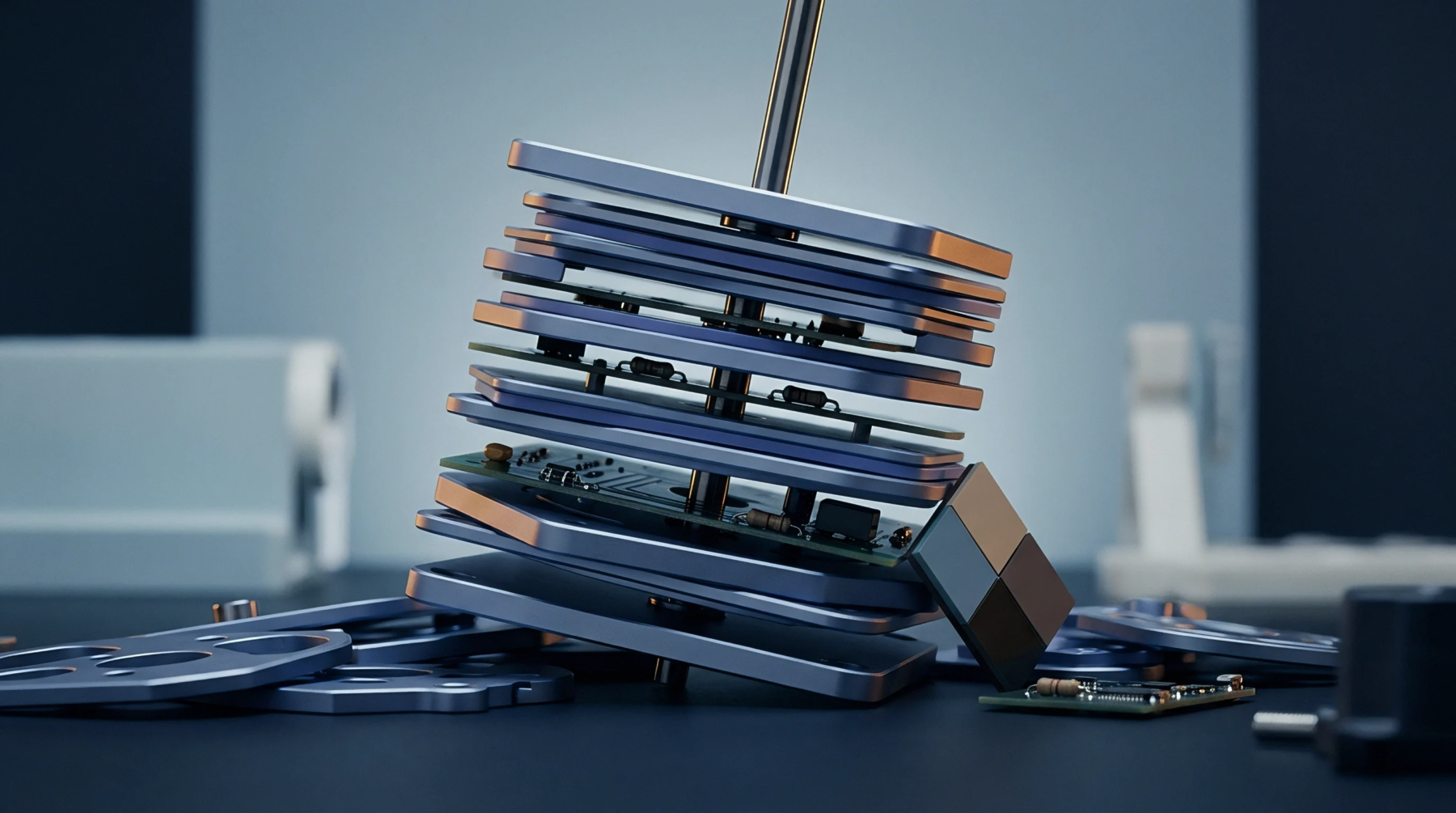
Reflow soldering control parameters dictate the exact time and temperature progression applied to a printed circuit board assembly during surface mount technology processing. Solder paste manufacturers specify precise boundaries for ramp rates, soak durations, and peak temperature excursions to ensure proper flux activation without thermal shock damage. Surface mount engineers program convection oven zones to match these vendor requirements exactly.
Rapid heating risks component cracking and solder ball expulsion from outgassing flux solvents. Controlled ramp segments allow board temperature to equilibrate across differing component masses before solder melting occurs.
Process Window
Convection oven profiling governs how quickly solder paste transitions from solid to liquidus states during surface mount manufacturing. Zone temperature settings determine the heating rate of heavy integrated circuits relative to smaller chip resistors mounted nearby. Extended soak intervals allow the volatile solvents in solder paste to evaporate completely while activating organic acids for surface oxide removal.
Insufficient soak time leaves residual flux that causes voiding under ball grid array packages. Peak temperatures exceed the melting point of lead-free alloys by twenty degrees Celsius to guarantee complete intermetallic compound formation at every joint. Cooler zones downstream solidify the liquid solder rapidly to restrict grain growth and maintain high mechanical shear strength.
Defect Prevention
Thermal profiling variations cause specific assembly failures during reflow soldering of printed circuit boards. Excessive heating rates vaporize flux solvents too quickly, causing molten solder to splatter and form microscopic bridges between fine pitch pads. Inadequate peak temperature fails to melt alloy powders completely, resulting in grainy joints with poor electrical conductivity.
Automated optical inspection equipment detects bridging defects downstream, while X-ray imaging reveals internal voiding caused by improper soak parameters. Correctly balanced thermal profiles eliminate these defects by maintaining board temperatures within verified manufacturing limits.