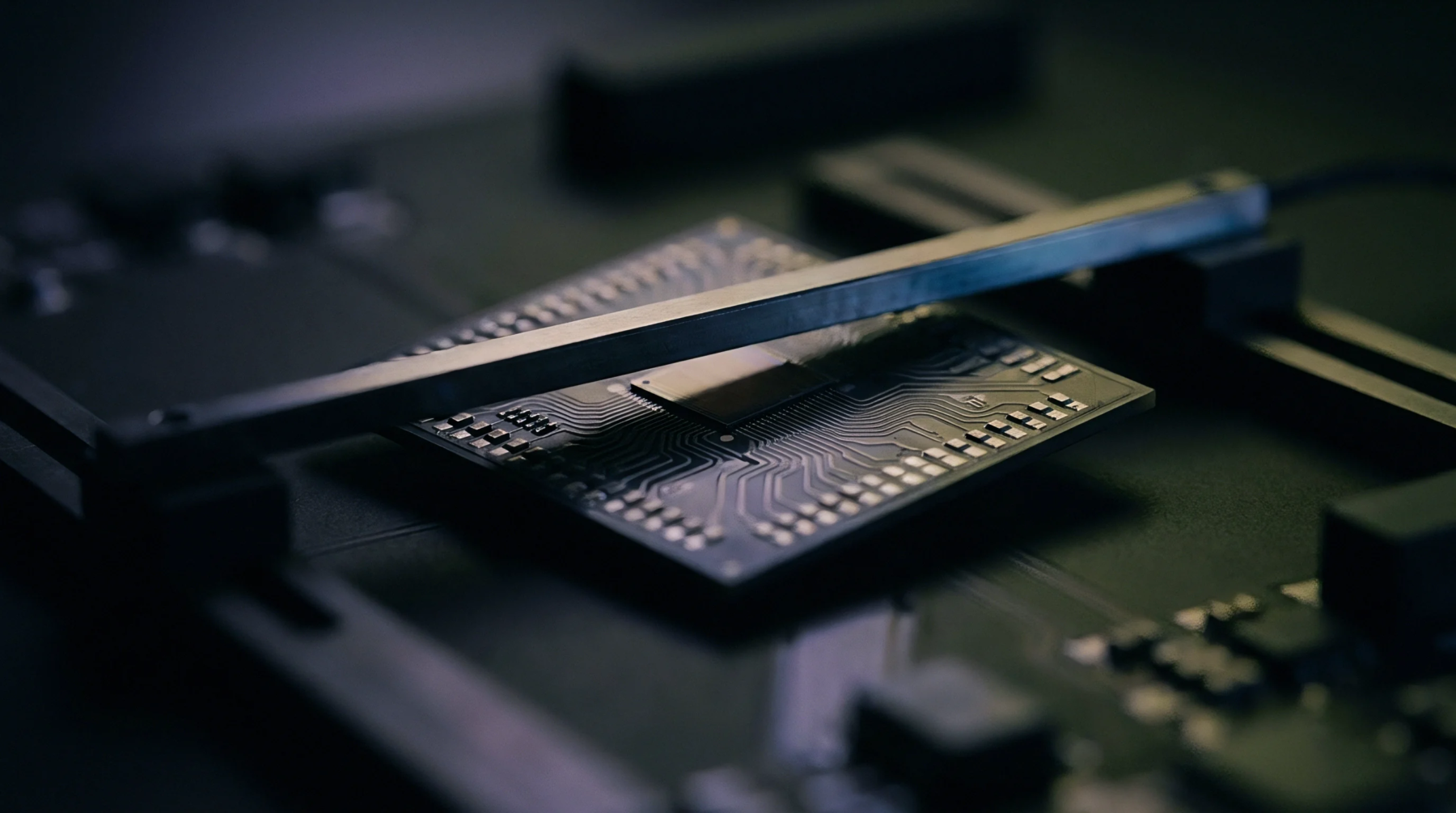
Micro-Via Radiometric Contrast Limits in Printed Circuit Inspection
Radiometric micro-via inspection relies on tube voltage, pixel pitch, and target mass density to detect sub-micron plating voids and layer separations.
Radiometric micro-via inspection relies on tube voltage, pixel pitch, and target mass density to detect sub-micron plating voids and layer separations.
Automated X-ray inspection magnification correction requires real-time planar warping calibration to prevent z-slice offset errors in 3D voxel reconstruction.

Calibrating CT voxel gray levels against physical microsection slices locks volumetric barrel fill inspection to true IPC Class 3 wetting boundaries.
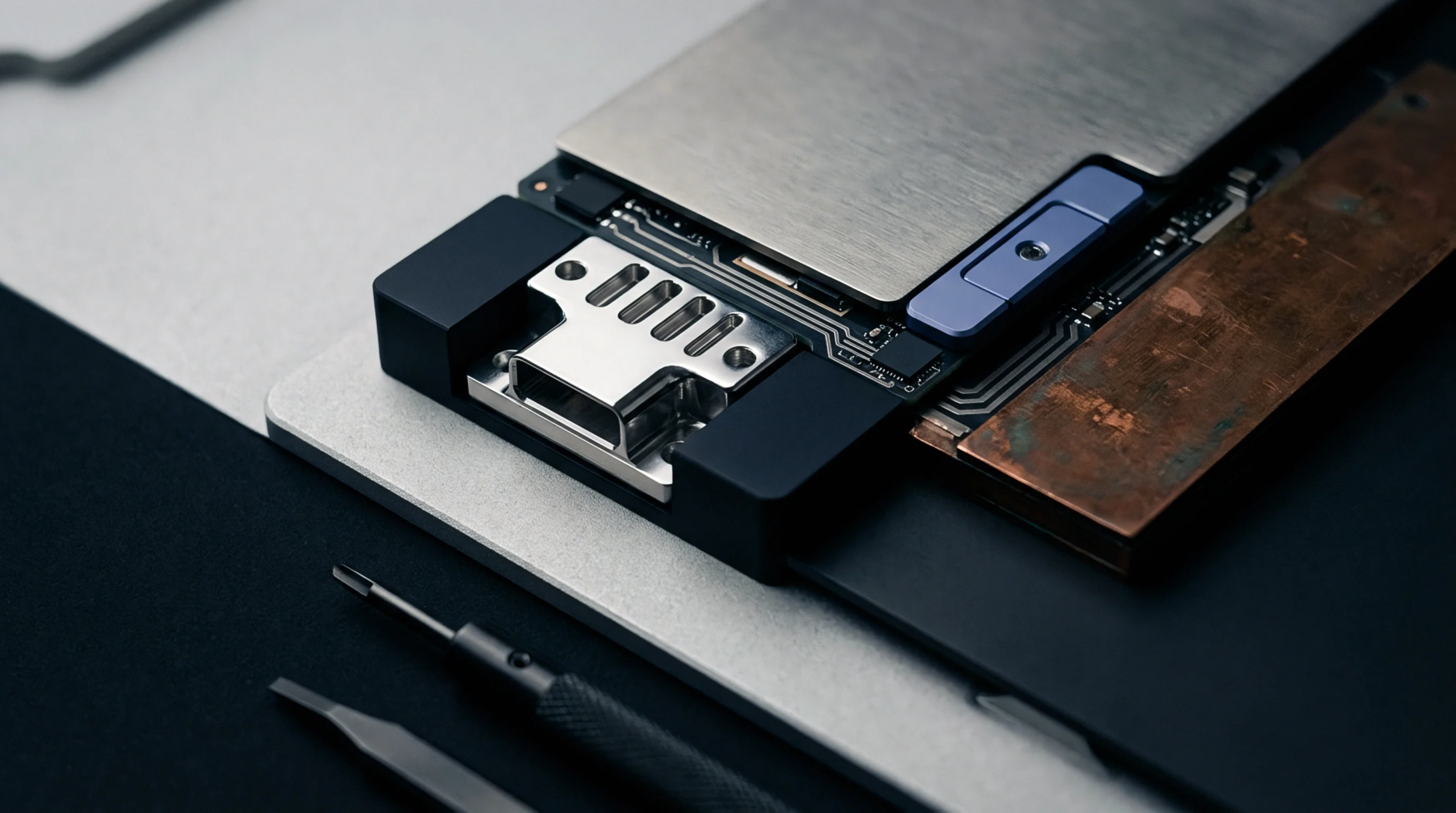
Integrating automated optical and X-ray inspection reduces high-density board failure escapes below ten parts per million by correlating surface and buried solder defects.

Structural coverage on unprobed HDI boards requires weighted PCOLA-SOST defect modeling combining IEEE 1149.6 AC scan, 3D X-ray slice data, and optical vision matrices.
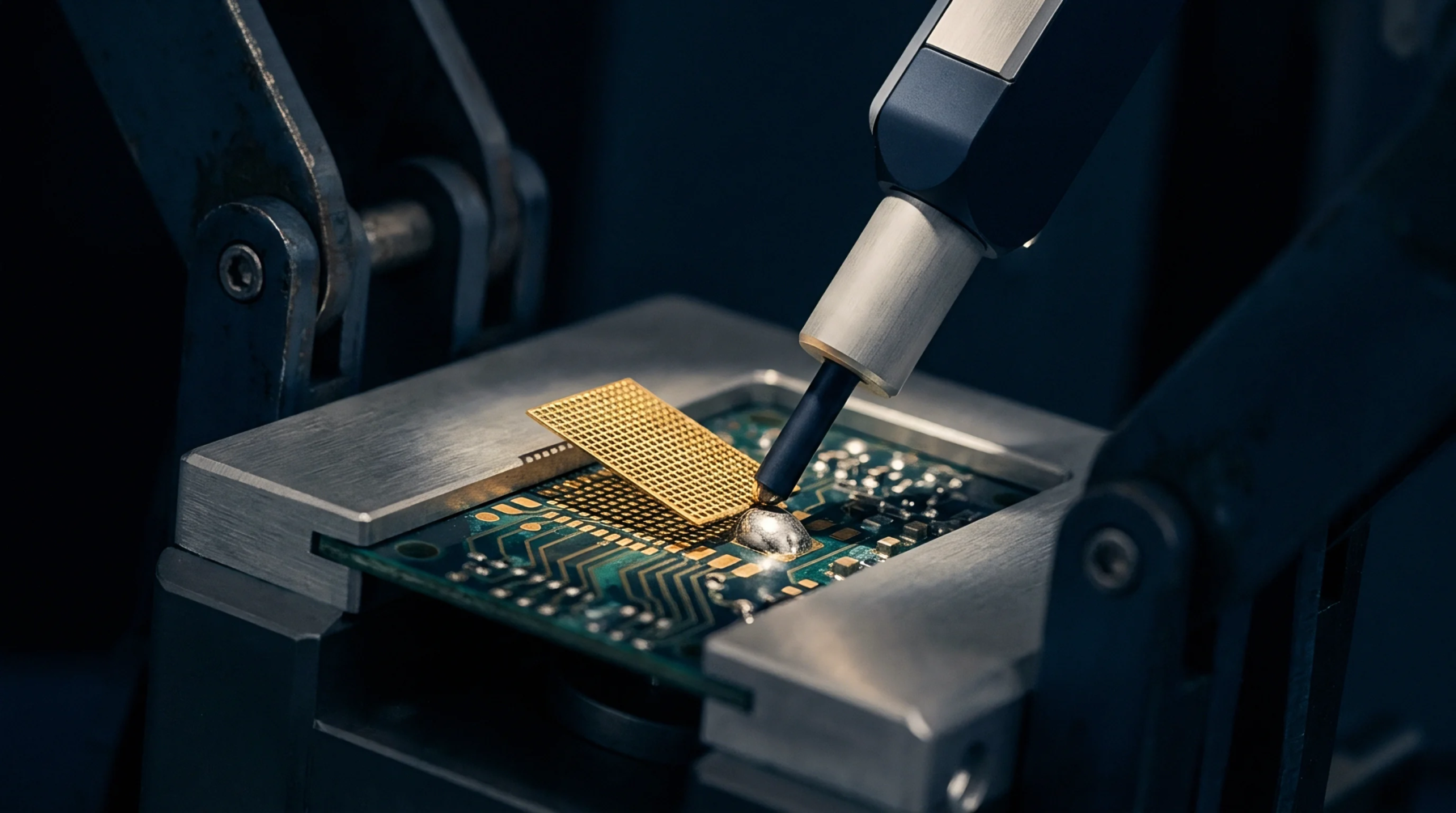
Measuring power via wetting demands calibrated transmission radiography verified by selective microsections to separate true wall adhesion from detached solder plugs.
Thermal lag in heavy copper selective soldering is optimized by balancing high topside preheat soaks with pin-specific dwell times to achieve 100 percent barrel fill.
Interfacial solder joint voids accelerate creep strain accumulation, converting IPC-compliant connections into latent field open circuits.

High density defect classification demands isolating planar fractures and head-in-pillow anomalies through volumetric laminography and targeted thermal stress.

Detecting sub-micron non-wetting across ENEPIG terminations requires 3D CT inspection due to negligible 2D X-ray greyscale contrast differential.
Radiographic inspection qualifies hidden bottom-terminated joints through calibrated photon absorption, measuring void percentages and wetting without sightlines.
Expertise is a utility, not a secret. sentiention™ publishes its working knowledge as open reference: intelligence layer covering the materials it sources, the markets it enters, and the reference that serves both.