Molten Period
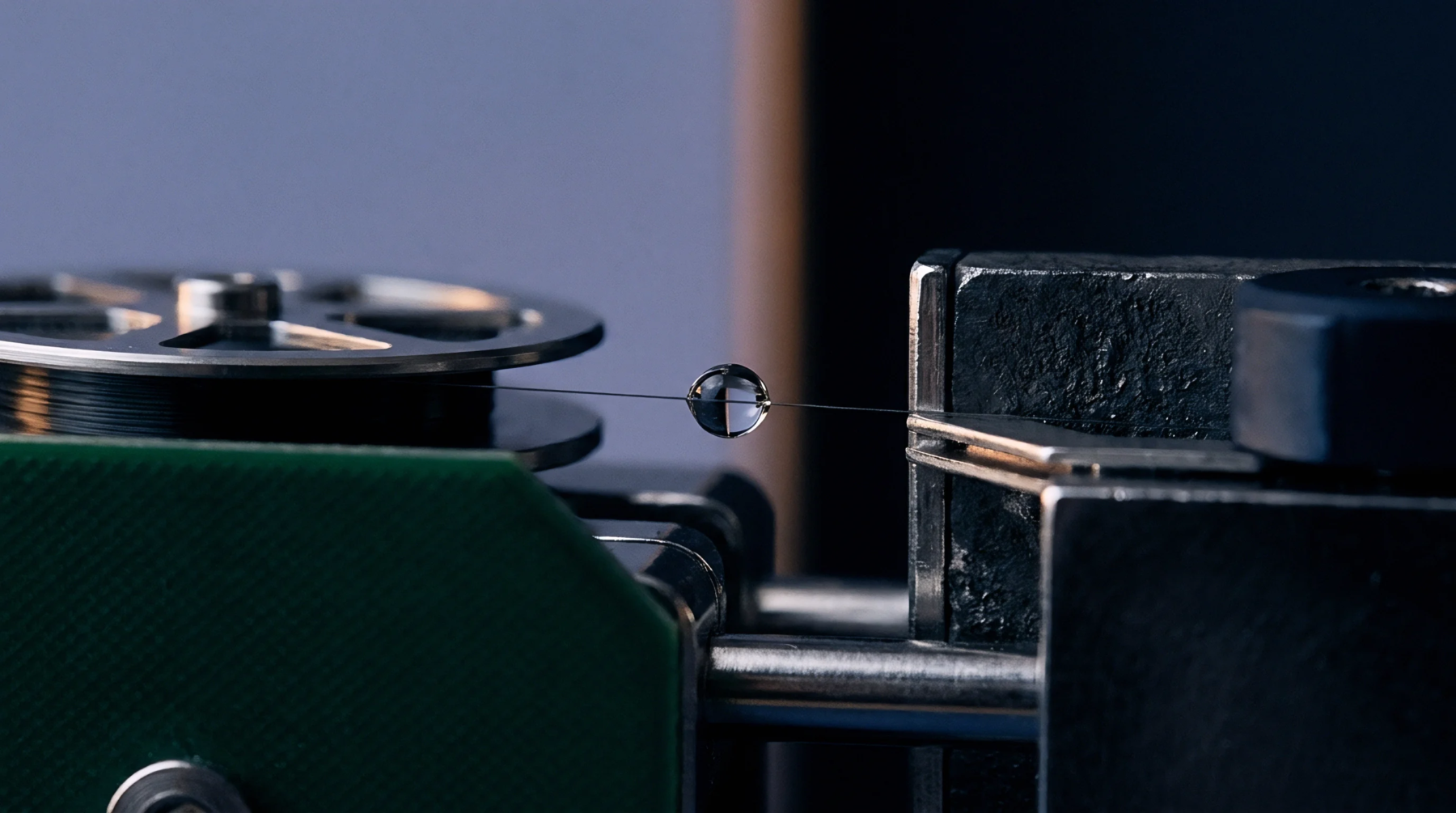
Durations of the soldering cycle where the temperature of the assembly remains high enough for the alloy to exist in a molten state determine the quality of the metallurgical bond. The reflow time above liquidus allows the flux to clean the surfaces and the solder to wet the pads and component leads. Most lead free assemblies require a window of sixty to ninety seconds to ensure complete joint formation.
If this period is too short, the result is a cold solder joint with poor electrical contact. Sufficient time is required for the liquid alloy to flow into the capillary spaces of the connector pins.
Intermetallic Growth
Heat facilitates the chemical reaction between the solder and the base metal to create a necessary intermetallic layer. An excessively long reflow time above liquidus causes this layer to grow too thick, which makes the connection brittle and prone to failure.
Thermal Limit
Components can sustain damage if the total heat budget of the assembly is exceeded. While a minimum reflow time above liquidus is required for wetting, exceeding the maximum specified time can lead to delamination. Accurate monitoring with thermocouples ensures that the oven settings stay within the validated process window.