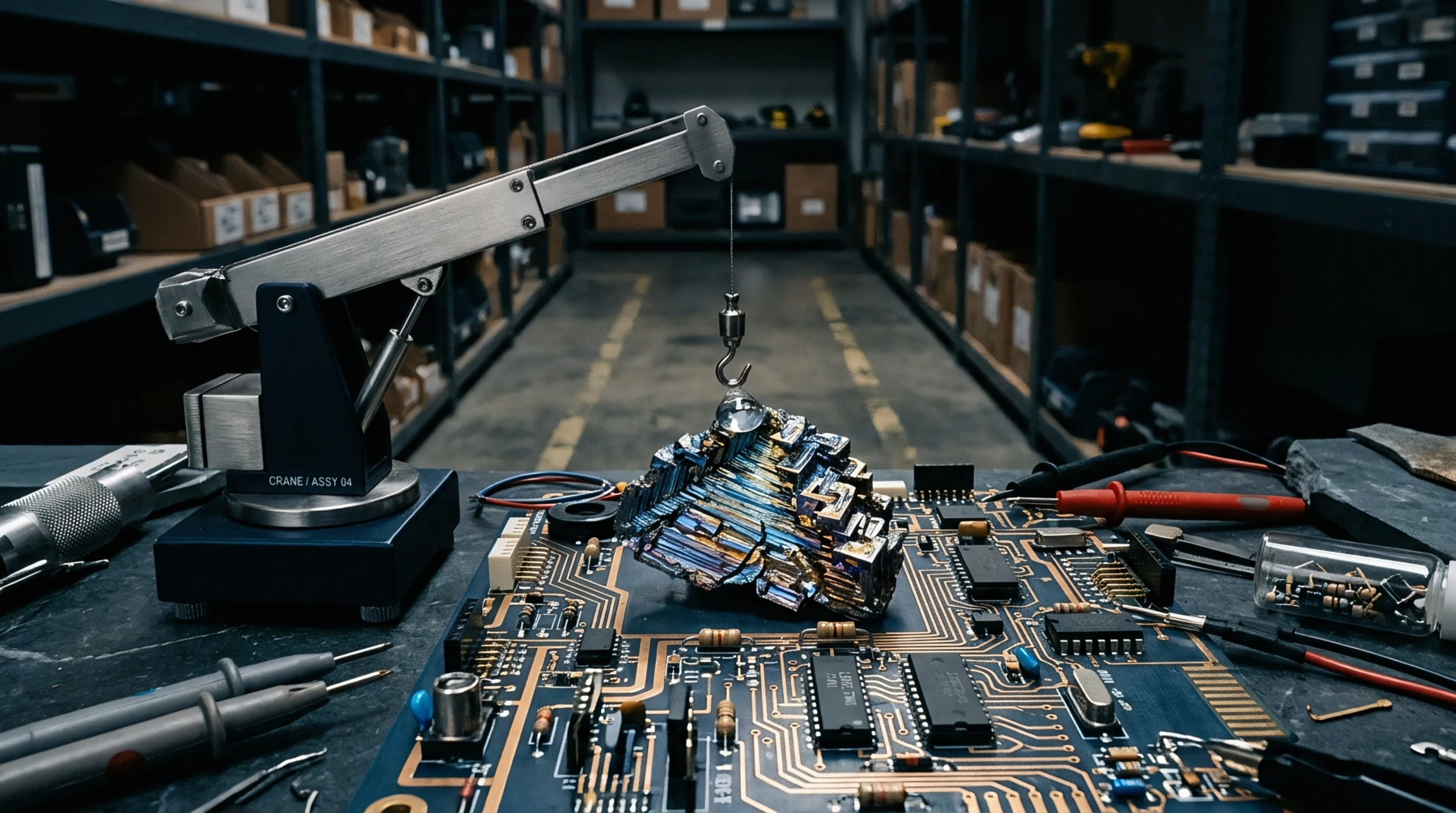
Profiling Sensor Fixation
Temperature measurement techniques secure fine-wire thermal sensors directly to target component terminals on a test circuit board during profiling operations. A thermocouple attachment creates a low-resistance metallic interface between sensor junctions and board pads to measure actual temperature curves during reflow or wave soldering. Boundaries apply exclusively to thermal profiling test vehicles, terminating once oven heating zones are calibrated and volume assembly begins.
Accurate sensor installation ensures profile data reflects true component body and lead temperatures rather than ambient oven air.
Attachment Method Process
Thermal sensor wires require robust mechanical and thermal connection to solder joint locations to eliminate thermal contact resistance. High-temperature solder alloys and thermally conductive epoxies represent standard securing methods, each offering distinct thermal conductivity and mechanical properties. Solder attachment using high-melting alloys provides metallic contact but requires careful heat application to avoid altering the local thermal mass of small component pads.
Thermally conductive adhesive offers ease of application but introduces a thin insulation layer that creates slight measurement time lags during rapid heating ramps. Kapton tape holding sensor tips flat against component surfaces serves for quick checks but risks detachment at peak reflow temperatures due to adhesive softening. Incorrect wire placement causes the sensor to read surrounding convective air temperatures, which skews profile calculations away from actual lead conditions.
Profiling Data Reliability
Loose or poorly bonded sensor junctions introduce artificial temperature fluctuations that invalidate profiling records. Process technicians inspect sensor contact points under magnification prior to sending test boards through the reflow oven. Validated temperature profiles establish processing parameters for contract manufacturing lines.