Pressure Cycle
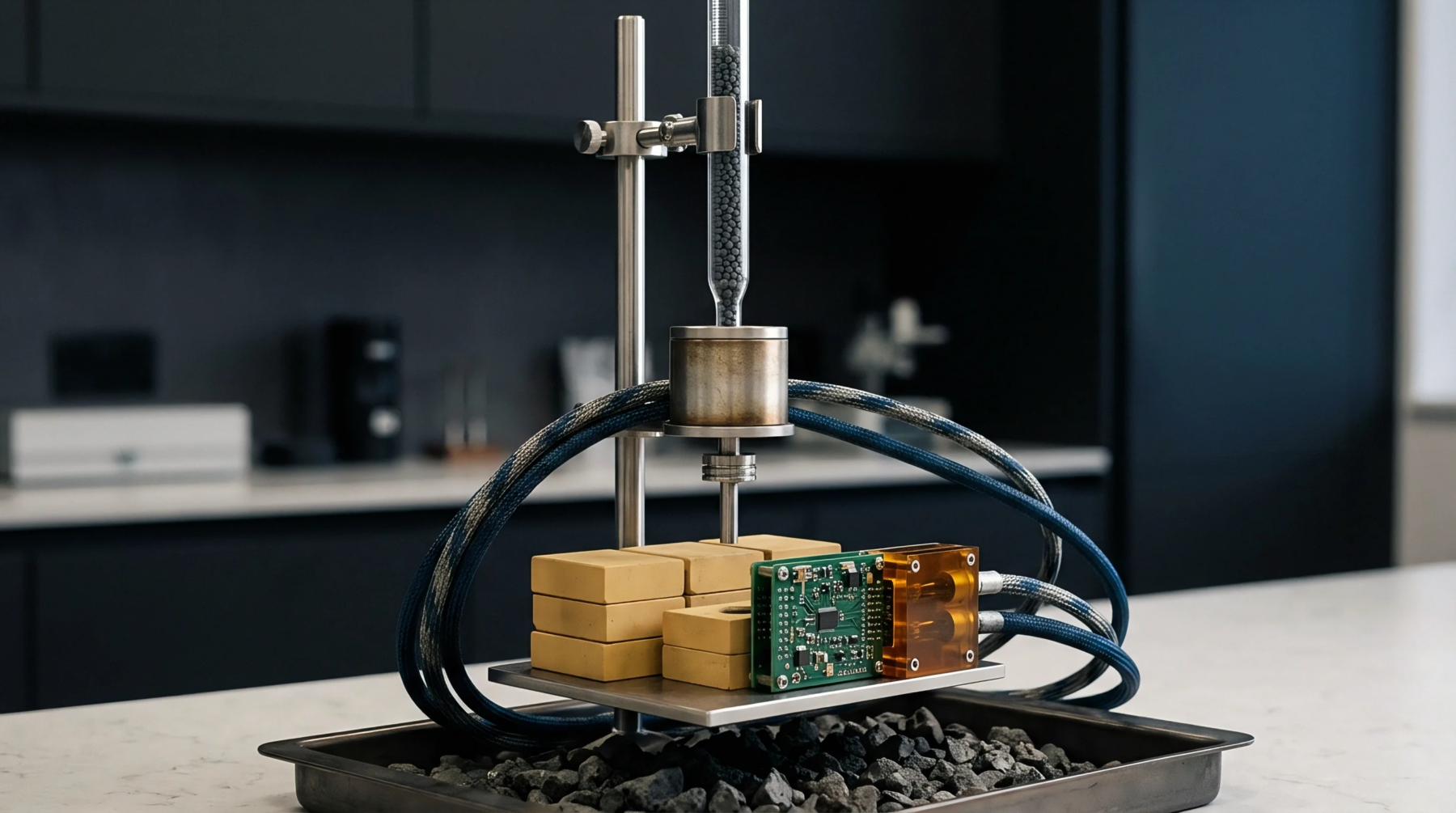
Multi-layer circuit board fabrication requires a thermal process to bond copper foil and prepreg into a rigid laminate structure. Vacuum hydraulic lamination removes trapped air from the stack before high-pressure consolidation occurs. This step prevents dielectric voids and prevents the oxidation of conductive features during the elevated temperature cycles required for resin flow.
Precise atmospheric control inside the press chamber eliminates micro-voids which otherwise weaken the insulating strength of the finished board.
Press Dynamics
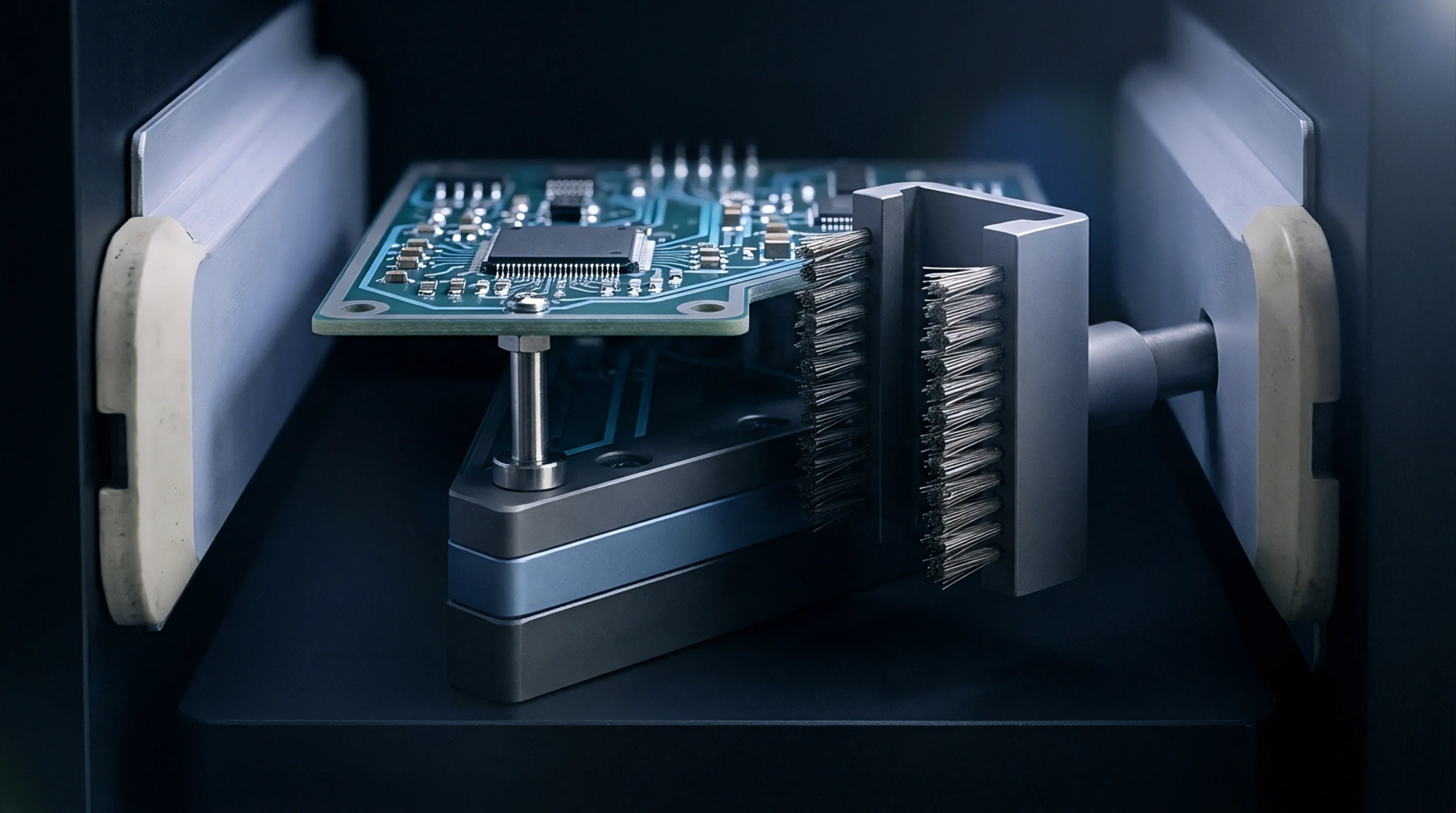
Automated machinery delivers force through heated platens to ensure uniform resin distribution across the surface of the panel. Mechanical sensors monitor the platen gap while the control system adjusts hydraulic pressure based on the flow characteristics of the dielectric material. Heating rates remain strictly regulated to avoid premature gelation of the epoxy which could lead to starvation in areas with high copper density.
Operators verify the integrity of the bond by checking the cross-section of sample coupons for uniform resin thickness. Consistent pressure application guarantees that every layer maintains structural stability during subsequent drilling and etching operations.
Quality Verification
Inspection of laminated boards identifies internal layer registration errors or delamination defects that remain hidden from visual examination. Automated optical systems check the alignment of internal features through the semi-transparent dielectric layers immediately after the stack exits the press. Ultrasonic scans detect hidden delamination or moisture-related pockets that compromise the mechanical robustness of the final circuit configuration.
High-resolution imaging provides a cross-sectional view of the resin-to-glass ratio to ensure compliance with thermal expansion specifications. Standardized acceptance protocols define the maximum allowable density of voids within the bond lines of the internal layers. The efficacy of the vacuum draw determines the ultimate reliability of the interconnection between the conductive copper layers.