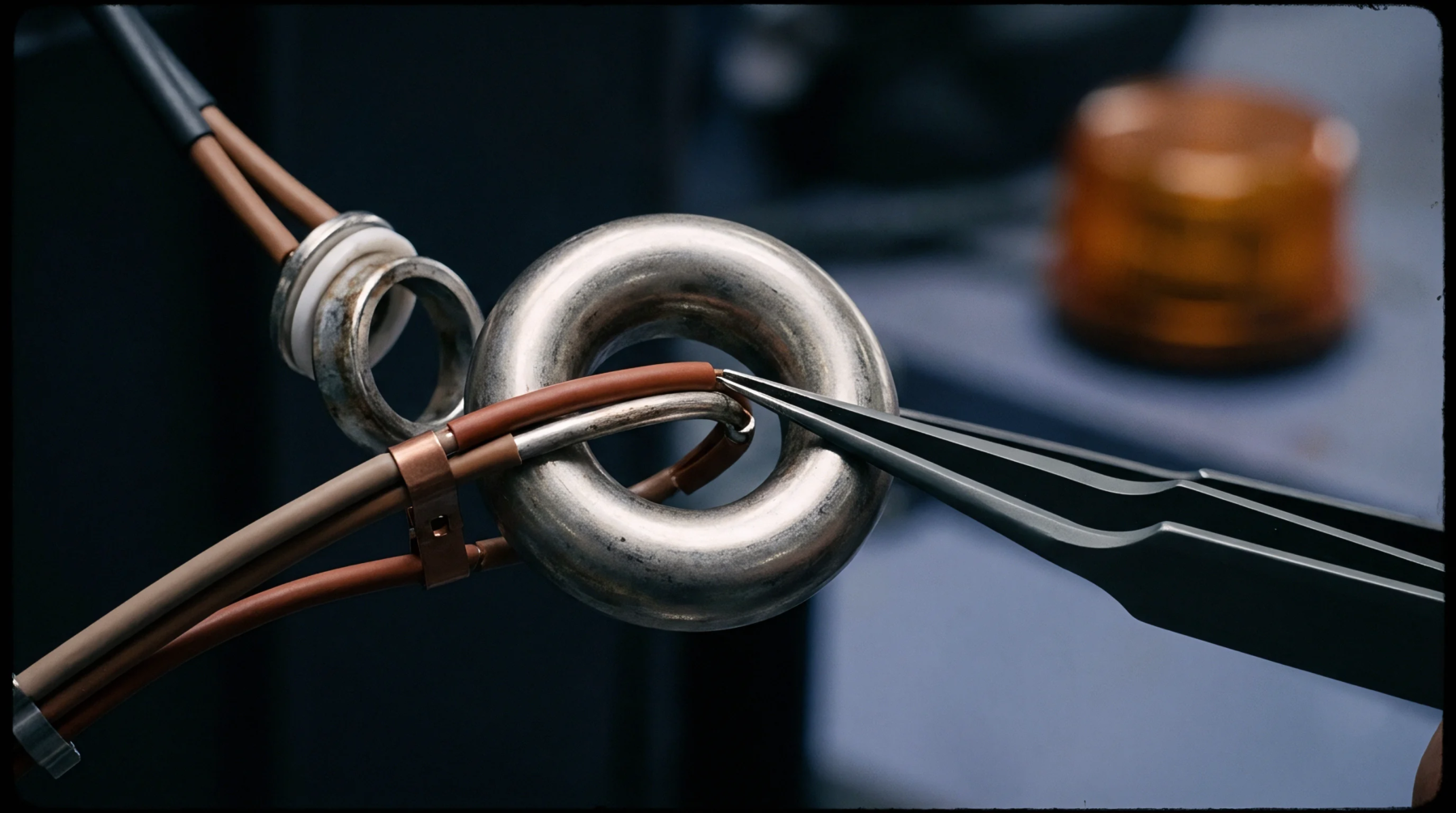
Fatigue Mechanism
Mechanical degradation occurs when temperature fluctuations induce expansion and contraction within heterogeneous material stacks. Cyclic thermal stress defines the physical strain experienced by solder joints and interfacial boundaries as materials with disparate coefficients of thermal expansion undergo repeated heating and cooling sequences. This phenomenon governs the longevity of surface mount components during operational cycles or environmental test conditions.
Damage Accumulation
Each temperature swing generates elastic and plastic deformation that gradually weakens the metallurgical bond. Cracks initiate at the corners of high mass components where shear forces reach their maximum intensity during rapid shifts. Repeated exposure causes these fissures to propagate through the intermetallic layer until electrical continuity breaks.
Solder alloys exhibit varying resistance to this degradation based on grain structure and alloying elements. Increased dwell times at temperature extremes hasten the growth of these voids and fatigue zones within the joint.
Performance Constraint
Material selection governs the survivability of electronic assemblies under harsh operating profiles. Engineers calculate the delta between thermal expansion rates of the substrate and the component package to predict early failure points. Tight control over the ramp rate during power cycling mitigates the peak magnitude of the internal forces applied to the solder interconnects.
Proper heat dissipation paths prevent the occurrence of extreme gradients that accelerate mechanical failure. Reliability standards rely on specific count thresholds for these cycles to qualify product designs for long term deployment.