Technical Documentation
This international specification provides the framework for documenting the compliance of electrical and electronic equipment with restrictions on hazardous substances. Manufacturers utilize en iec 63000 to compile the technical files necessary to prove that specific materials like lead, mercury, or cadmium remain below established thresholds within their product lines. It requires the collection of declarations from suppliers across the entire supply chain to verify component integrity.
The standard applies to the full scope of electronic devices but excludes high voltage infrastructure and large scale fixed installations. Documentation stored under this protocol allows companies to demonstrate due diligence regarding environmental regulations during audits.
Compliance Verification
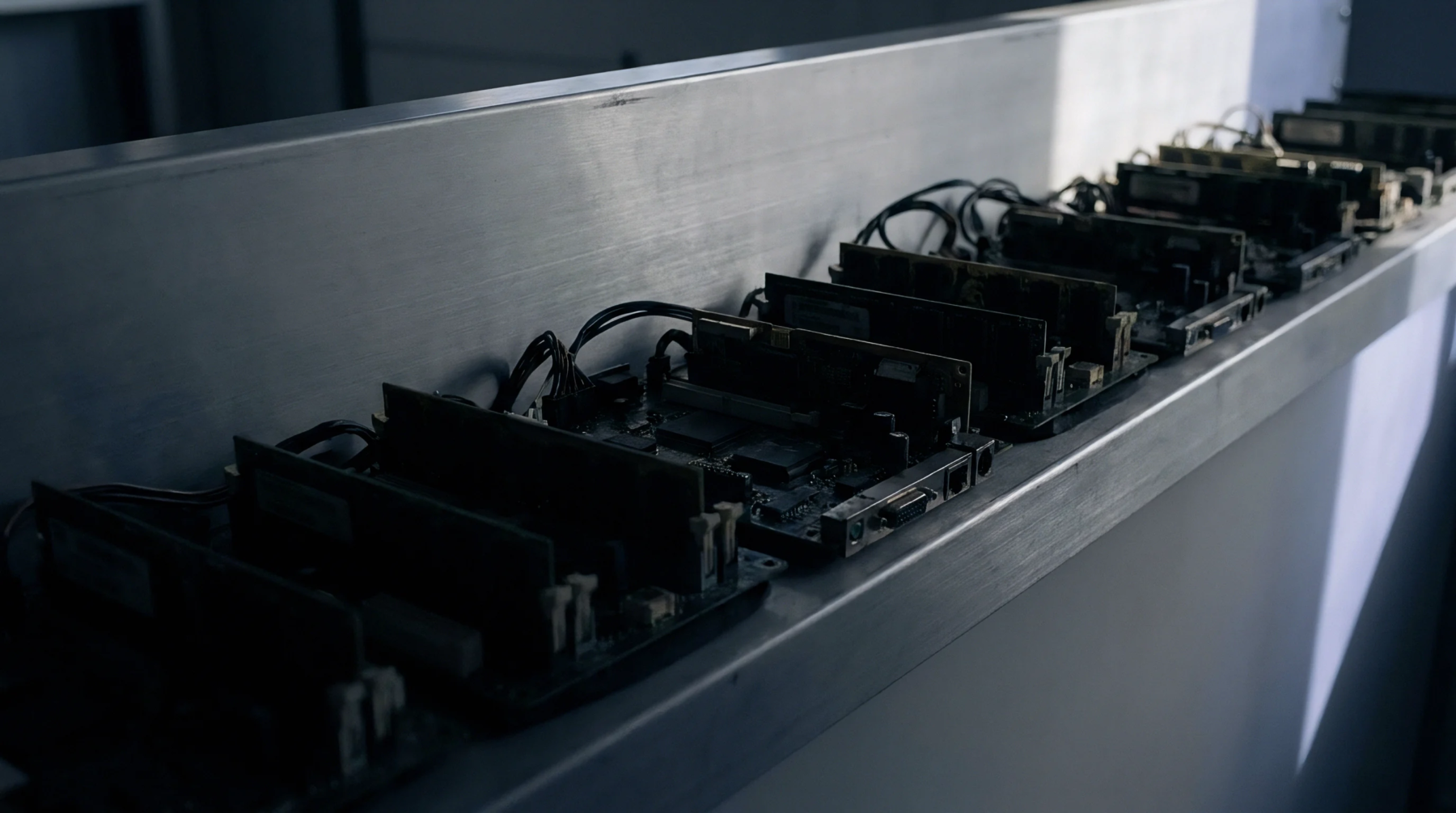
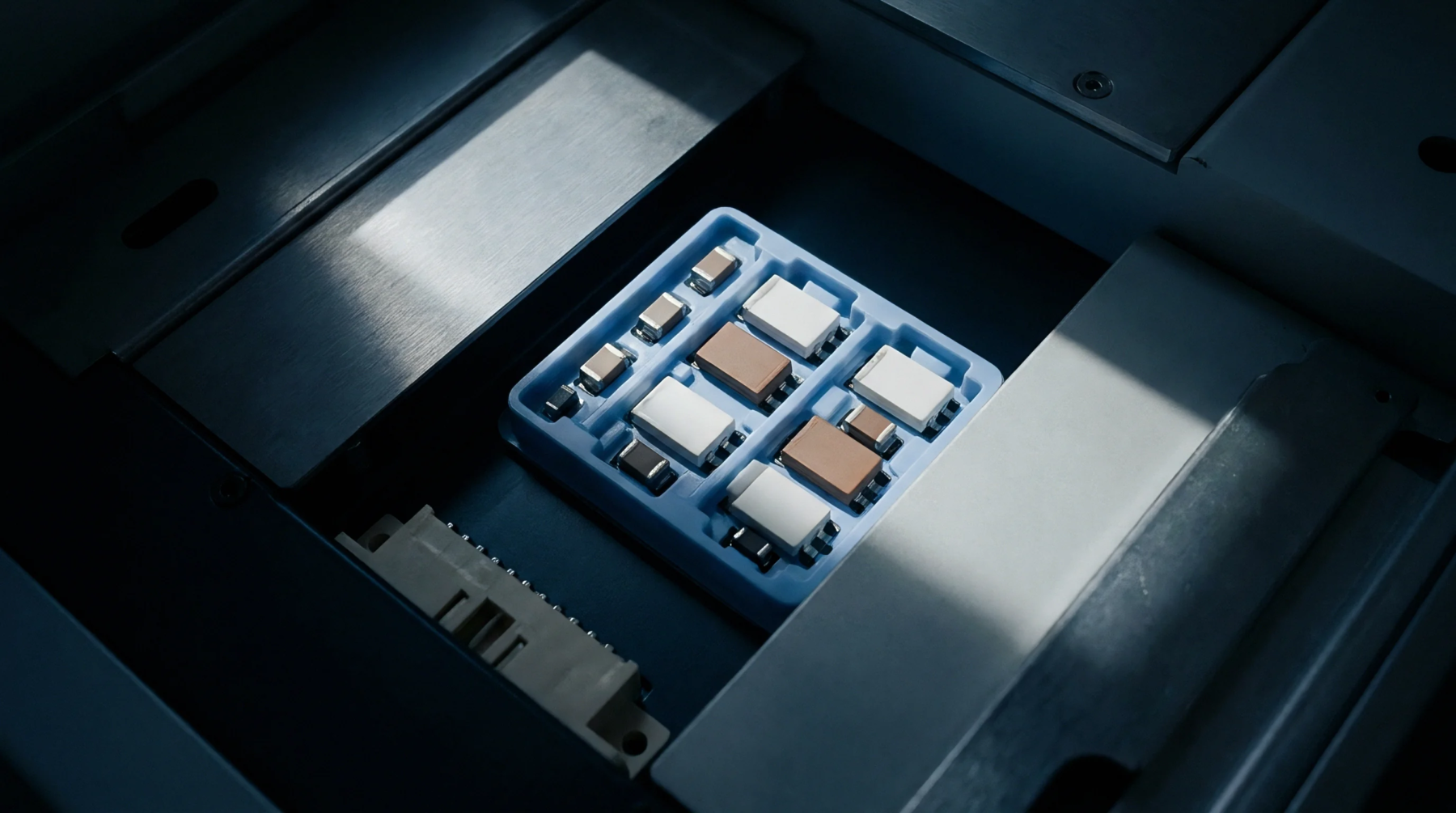
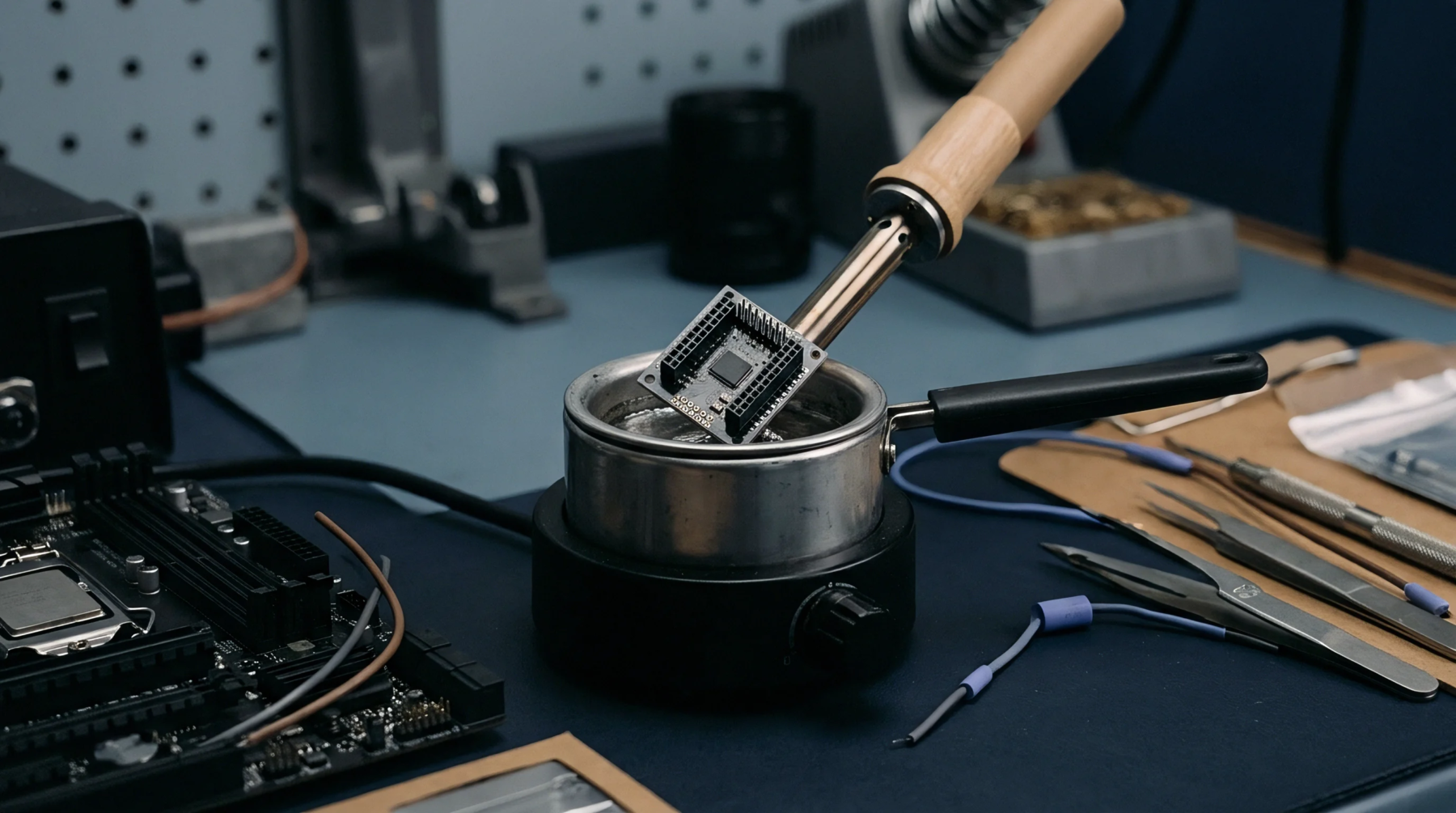
Assessing a circuit board assembly involves mapping individual parts against material data sheets provided by component vendors. Technicians review these declarations to confirm that homogeneous materials in connectors, integrated circuits, and passive components do not exceed concentration limits. If a supplier fails to provide evidence, the manufacturer must conduct independent testing on a representative sample to validate the material composition.
This proactive verification process happens before a product reaches the final assembly stage where identification becomes difficult. Variations in component batches require constant tracking of part numbers against the technical file to prevent accidental contamination of the finished assembly. Accurate records ensure that any shift in component manufacturing does not inadvertently introduce restricted elements into the circuit architecture.
Regulatory Alignment
Manufacturers adopt these systematic requirements to bridge the gap between global material restrictions and internal production workflows. Harmonizing the data collection process prevents redundant requests to the same vendor and lowers the administrative burden of maintaining compliance records over multiple years. External auditors rely on the integrity of these files when verifying that the production site maintains control over the material inputs used in assembly.
Consistency in record keeping permits rapid response to regulatory inquiries regarding the chemical safety of mass produced hardware. The technical file forms the primary defense against legal claims concerning the hazardous material content of manufactured electronics.