Electrical Shift
Resistance variation during thermal expansion cycles defines dynamic impedance drift inside multilayer printed circuit board assemblies. Continuous high frequency signal transmission creates localized joule heating inside internal power distribution planes. Copper tracks and dielectric resin expand at mismatched rates when temperature rises during operation.
Mechanical stress alters contact boundaries between plated through holes and internal barrel walls. Microscopic cracking develops along barrel joints when thermal fatigue exceeds elastic limits of electroplated copper.
Boundary Condition
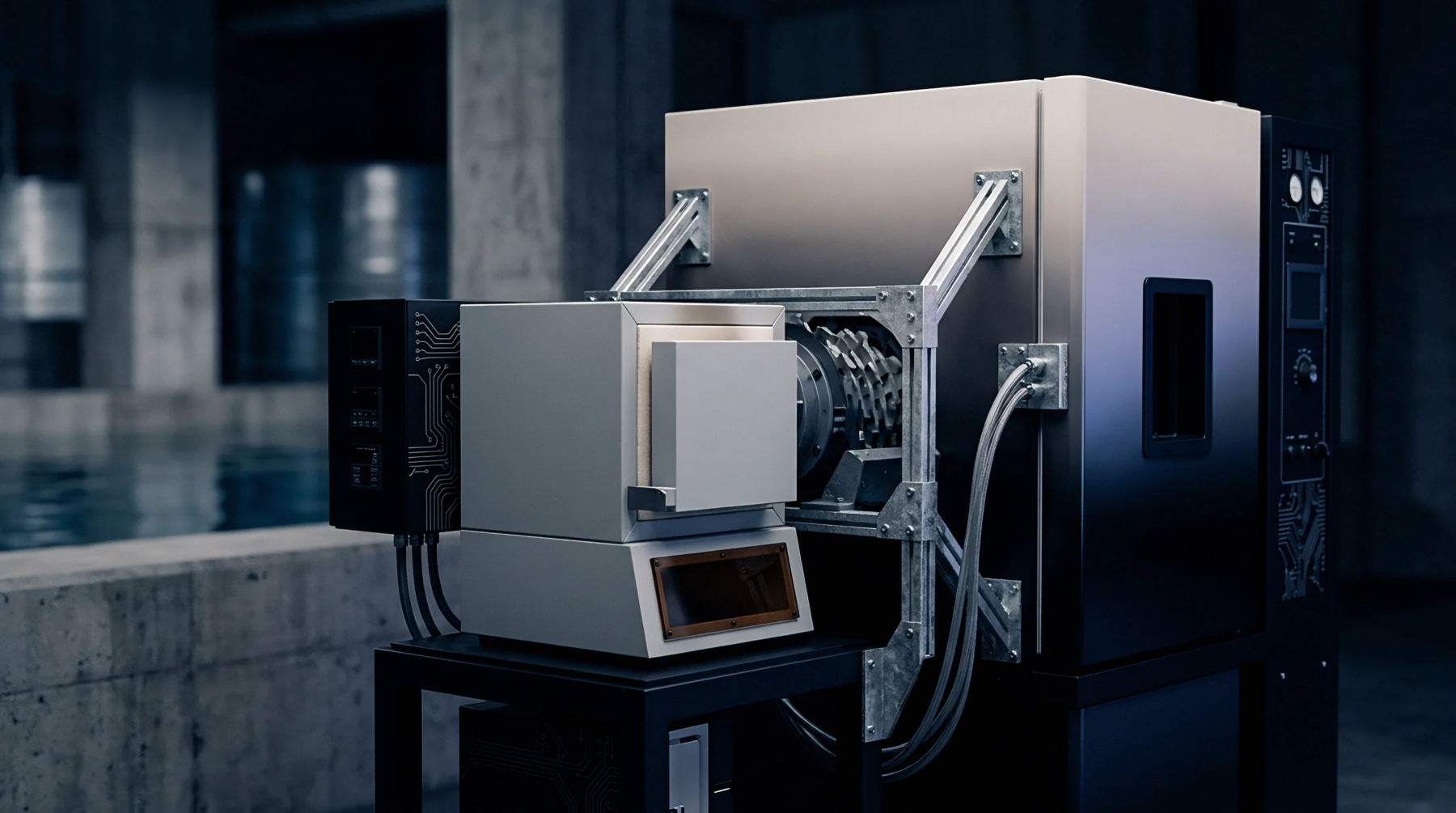
Automated optical inspection fails to detect internal structural degradation occurring beneath surface components. Destructive cross sectioning exposes barrel cracking only after permanent electrical failure halts production batches. Qualification testing subjects prototype assemblies to thermal shock cycles between negative forty and one hundred twenty five degrees Celsius.
Resistance monitoring equipment records real time voltage drops across interconnected layers during environmental stress screening. Intermittent open circuits appear when thermal expansion separates barrel walls from internal plane fingers.
Failure Mechanism
Material selection controls structural reliability during high current density operation. Glass transition temperature limits operating ranges of epoxy matrices used in laminate construction. High Tg materials resist thermal expansion forces better than standard FR4 laminates under identical loading conditions.
Plated copper elongation properties determine how many thermal cycles pass before barrel fracture occurs. Barrel integrity degrades prematurely when electroplating baths deposit brittle copper with high residual stress.