
Calculating Microvia Partial Inductance in High Speed Printed Circuit Board Escapes
PEEC formulation extracts microvia partial self-inductance from barrel aspect ratio and capture pad geometry, confirmed by de-embedded coupon S-parameters.
PEEC formulation extracts microvia partial self-inductance from barrel aspect ratio and capture pad geometry, confirmed by de-embedded coupon S-parameters.
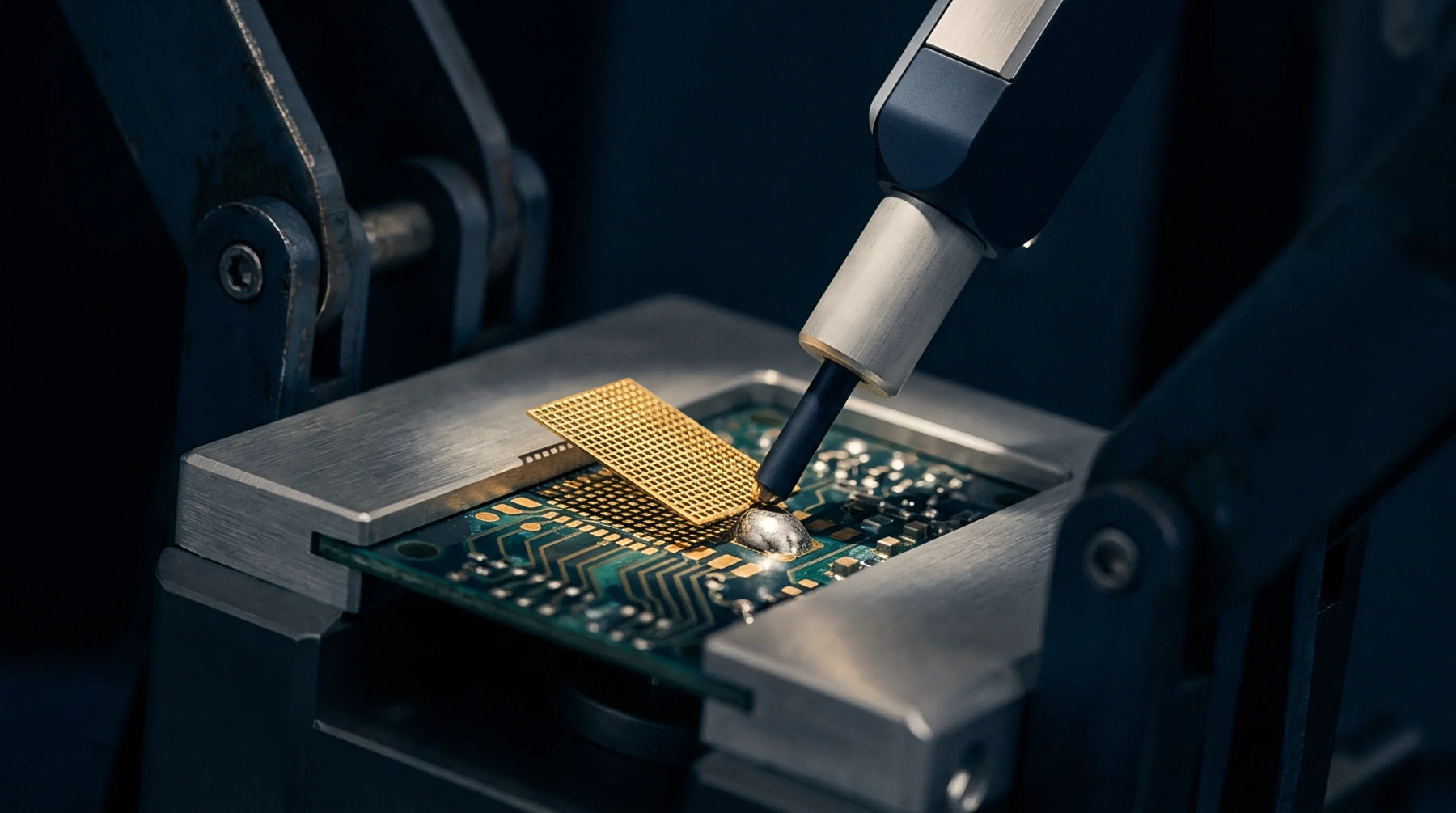
Partitioning boundary scan registers into parallel sub-chains cuts test vector execution time while maintaining high fault coverage on dense boards.
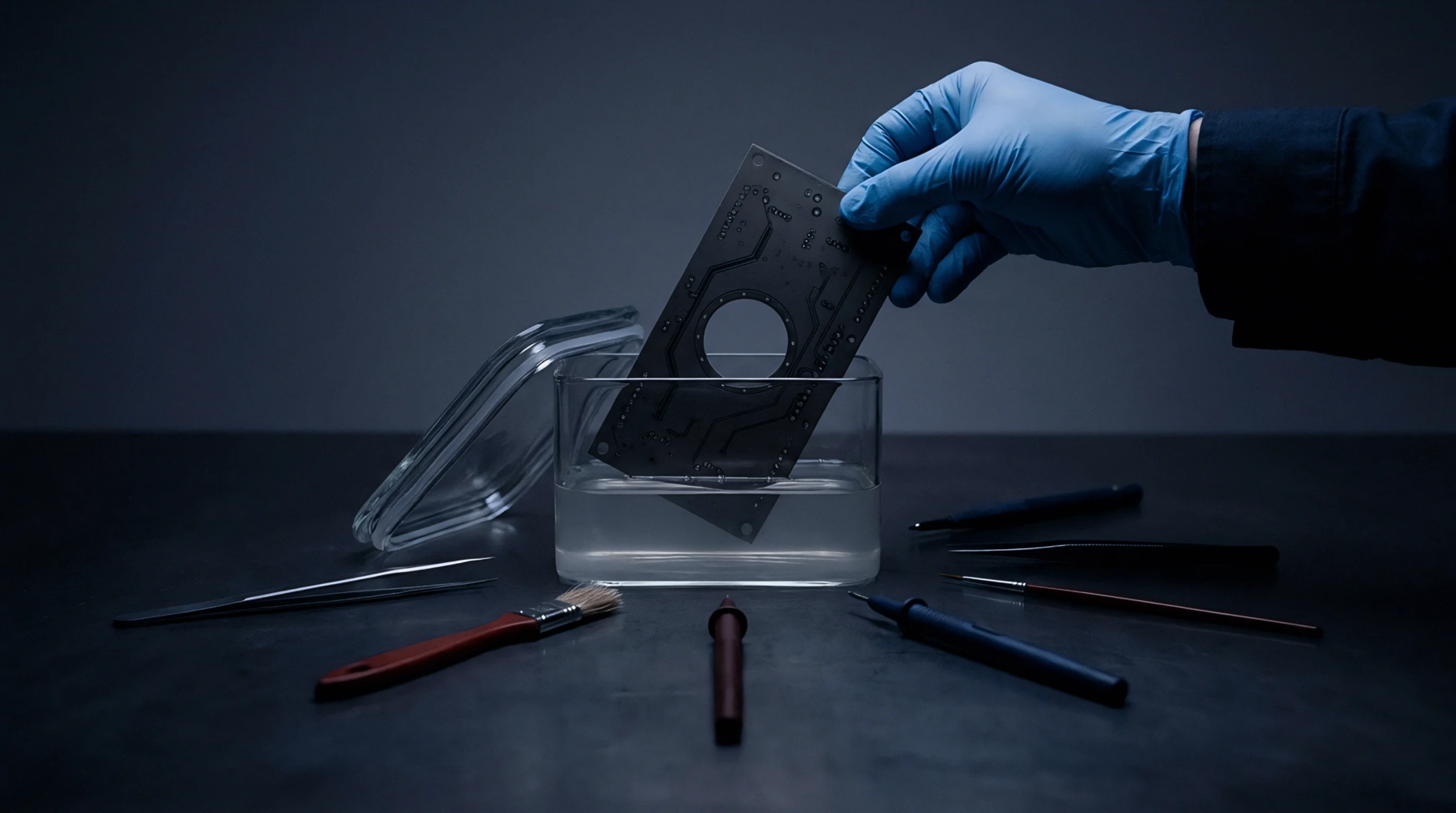
Managing parasitic phase jitter in boundary scan fixtures requires interleaved ground probes, damped trace terminations, and controlled clock edge rates.
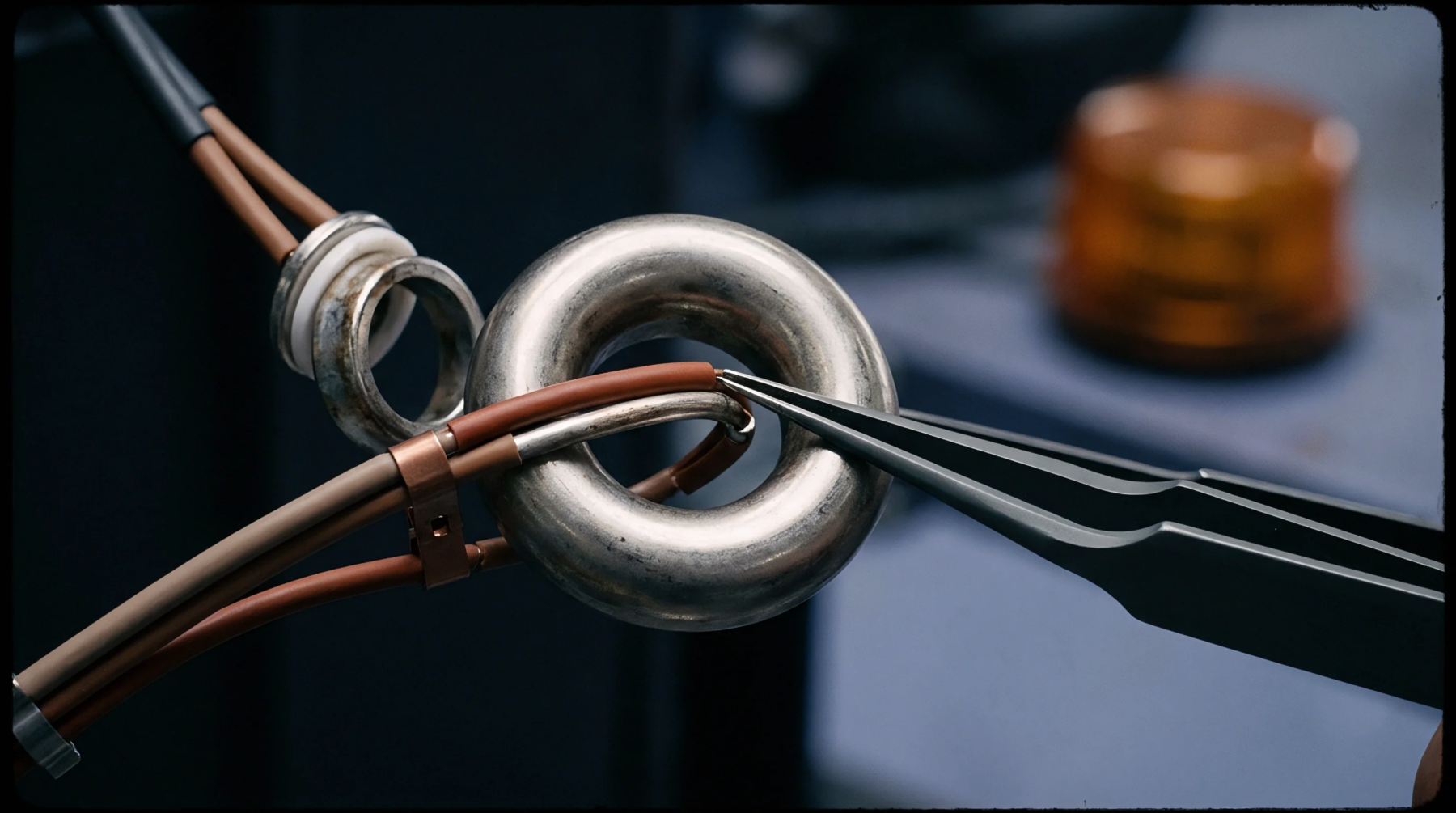
Mapping high-speed power rail transfer impedance limits directly to radiated emissions limits prevents costly EMC chamber re-tests and batch rejections.

Resolving intermittent high speed signal integrity escapes requires pairing static boundary scan with embedded IJTAG at speed stress testing to catch dynamic physical layer failures.
Boundary scan TAP probe evaluation demands dynamic contact resistance monitoring under 20mV dry-circuit limits to prevent false structural defect calls.
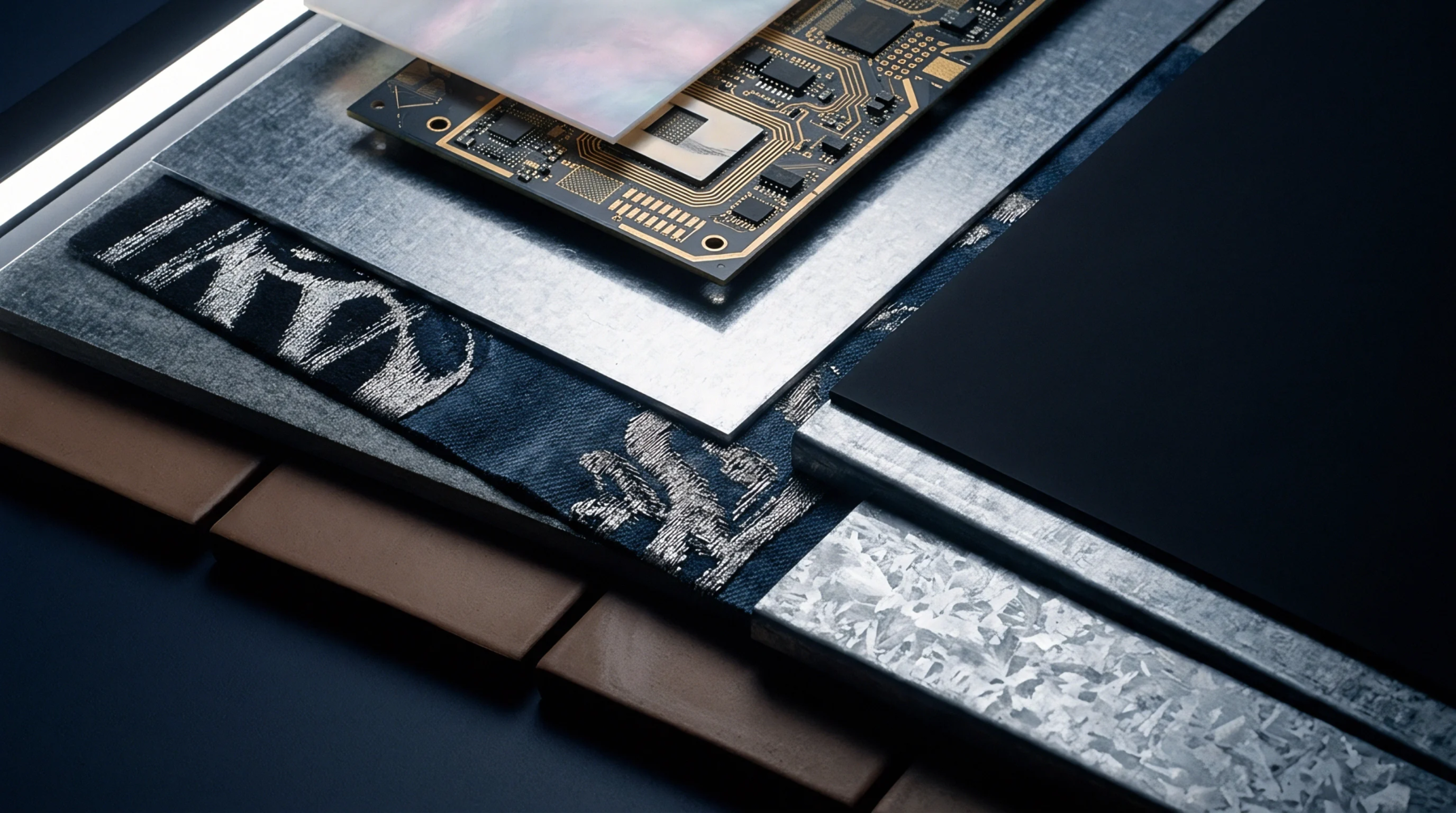
Modeling probe parasitics and edge skew on boundary scan nets prevents false test failures and maintains scan chain timing margins under fixture actuation.
Expertise is a utility, not a secret. sentiention™ publishes its working knowledge as open reference: intelligence layer covering the materials it sources, the markets it enters, and the reference that serves both.