Unintended Radiation
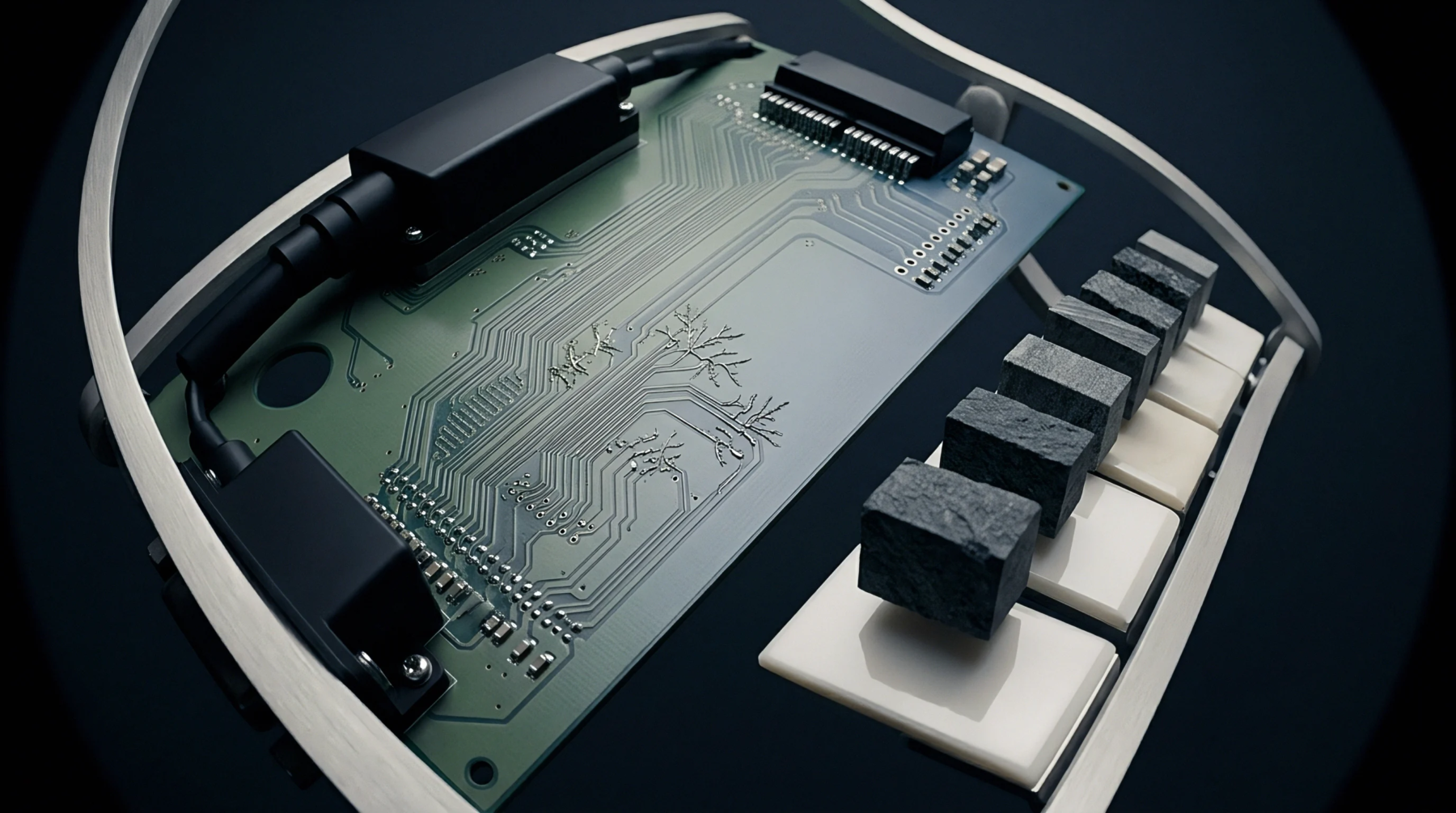
Parasitic radio frequency energy travels equally along both conductors of a differential pair, returning through the chassis ground plane instead of completing the circuit through the intended return path. Unshielded cables act as transmitting antennas when unbalanced voltages drive unwanted currents outward from the main processor board. High speed clock lines running adjacent to power planes couple stray fields into external harnesses during surface mount assembly.
Automated boundary scan testing identifies high frequency emissions by measuring voltage differentials across sensitive analog input channels.
Ground Coupling
Ground loops form when two distinct reference potentials connect through a braided cable shield, forcing circulating noise currents through low impedance copper traces. Surface mount decoupling capacitors absorb transient voltage spikes, but improper via placement forces high frequency returns through long circuit board traces. Oscilloscope measurements reveal severe signal degradation when parasitic inductance increases the impedance of the chassis connection.
Chassis Mitigation
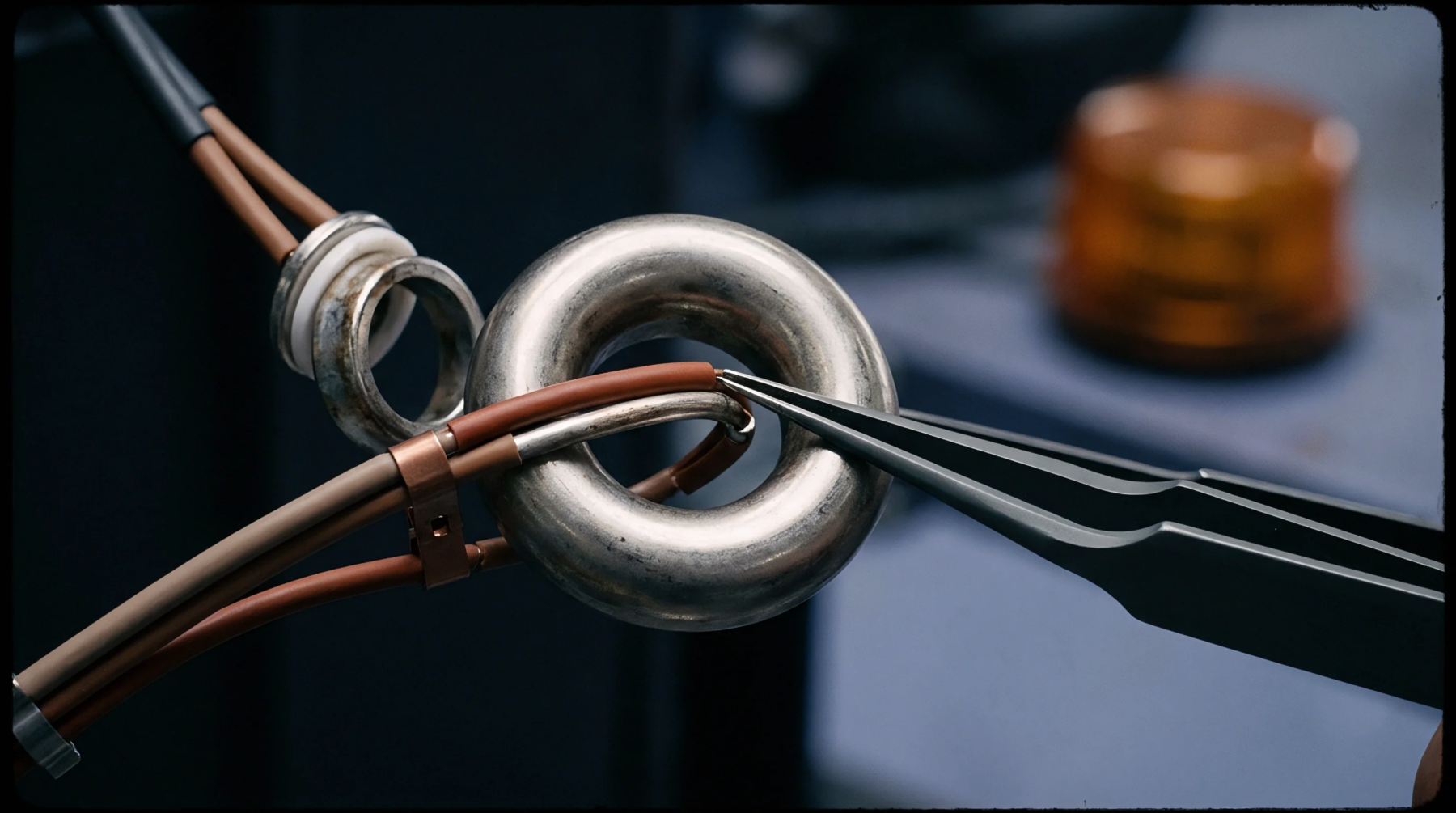
Ferrite beads clamped around external interface cables introduce high frequency resistance, converting unwanted electrical noise into harmless thermal energy before radiation occurs. Board level shielding cans suppress radiated emissions by enclosing high speed switching regulators within a grounded metal compartment. Proper grounding practices require low impedance bonding straps between the printed circuit board ground plane and the metal enclosure.